The Secretariat of Energy formalized the deregulation of the Wholesale Electricity Market (MEM), with the objective of "restoring competition, transparency, and efficiency" in the system. Through Resolution 400/2025, published this Tuesday in the Official Gazette, Javier Milei's government took a historic step toward normalizing the Argentine electricity market.
The new framework, which will begin to be implemented on November 1, replaces the hyper-centralized model inherited from Kirchnerism based on indiscriminate subsidies and artificial prices with a system of free contracting among generators, distributors, and large users. The change also entails a drastic reduction in CAMMESA's role, which will no longer manage fuel purchases or set prices administratively.
La medida apunta a terminar con las distorsiones.
According to the official text, the State "ceases to act as an entrepreneur to return to being a guarantor of clear rules and real prices". This way, thermal generators regain the responsibility of acquiring their own inputs, and CAMMESA will retain only its original functions: dispatch administration and supplier of last resort.
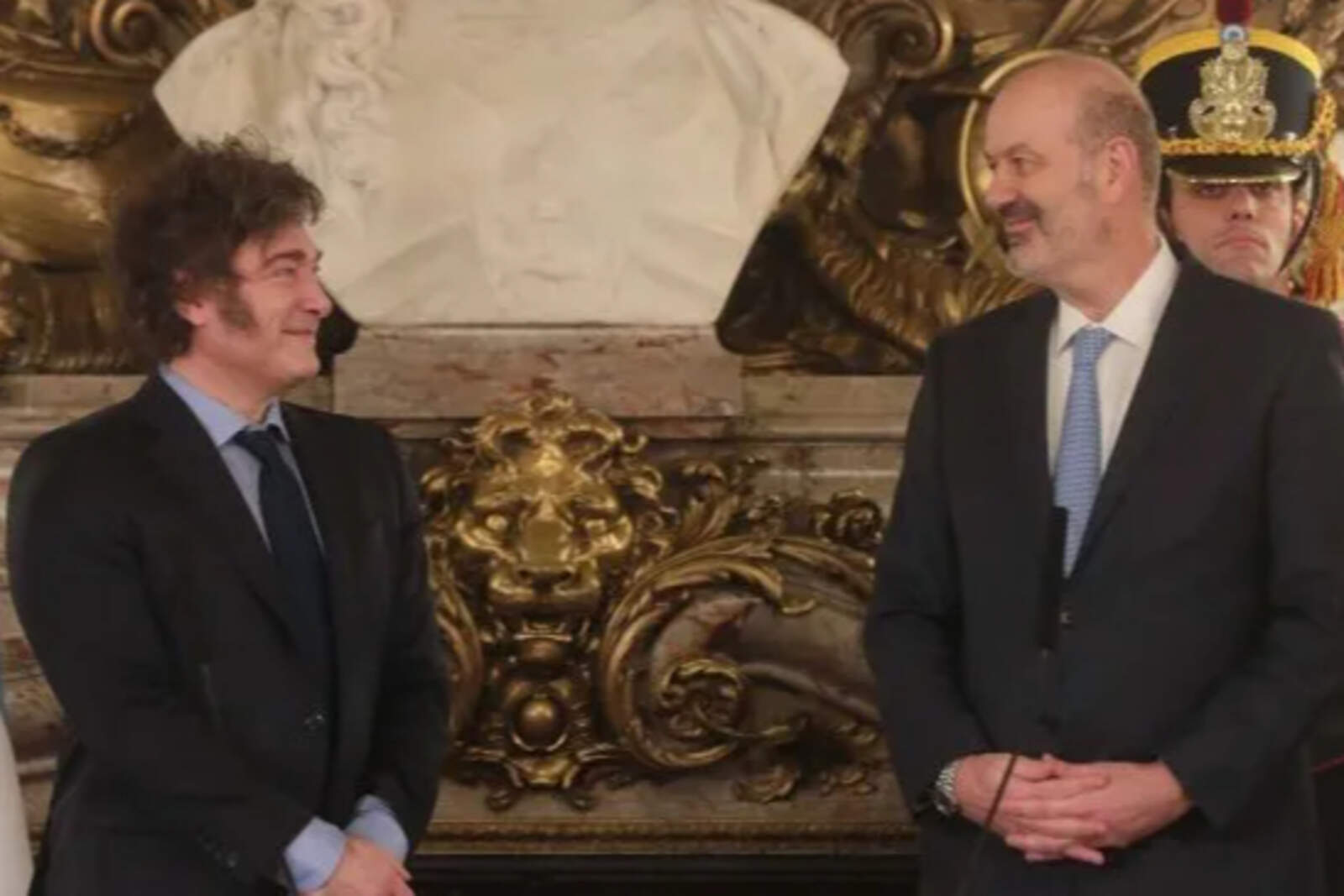
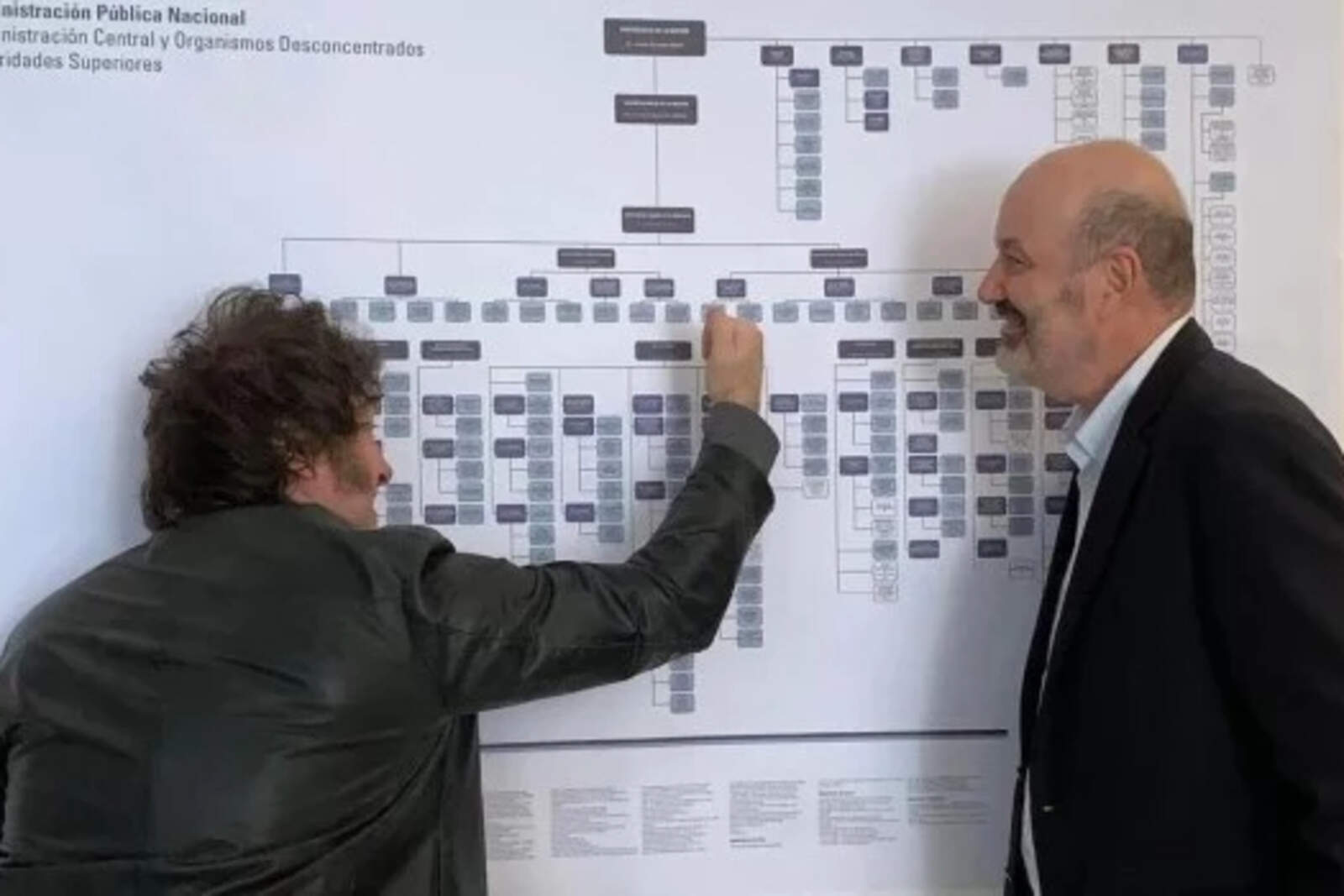
The Minister of Deregulation and State Transformation, Federico Sturzenegger, was blunt in celebrating the measure: "Removing the State from the middle is to reverse that process and allow operations without coercion, without corruption, and without inefficiencies. A smaller State is the best policy to fight corruption; it will also give us more electricity at a lower cost."
The regime introduces a price system based on marginal costs, which will reflect the real value of energy and eliminate historical distortions. It also creates a Term Market for Energy and Capacity, which enables free contracting among companies and facilitates long-term investment planning.
Javier Milei junto al ministro de Desregulación y Transformación del Estado.
Rating agency Fitch Ratings has already indicated that the reform could improve the credit profile of generating companies and attract private capital to the sector. Among the main beneficiaries are AES Argentina, MSU Energy, and Pampa Energía, which will be able to enter into bilateral contracts (PPA) without depending on the State.
With this reform, Javier Milei's government consolidates one of the most deep transformations since the 1990s: a free, competitive, and sustainable electricity system, where prices reflect reality and efficiency replaces bureaucracy.