The President questioned Paolo Rocca, Javier Madanes, and Roberto Méndez amid the debate over economic liberalization and the end of privileges
Compartir:
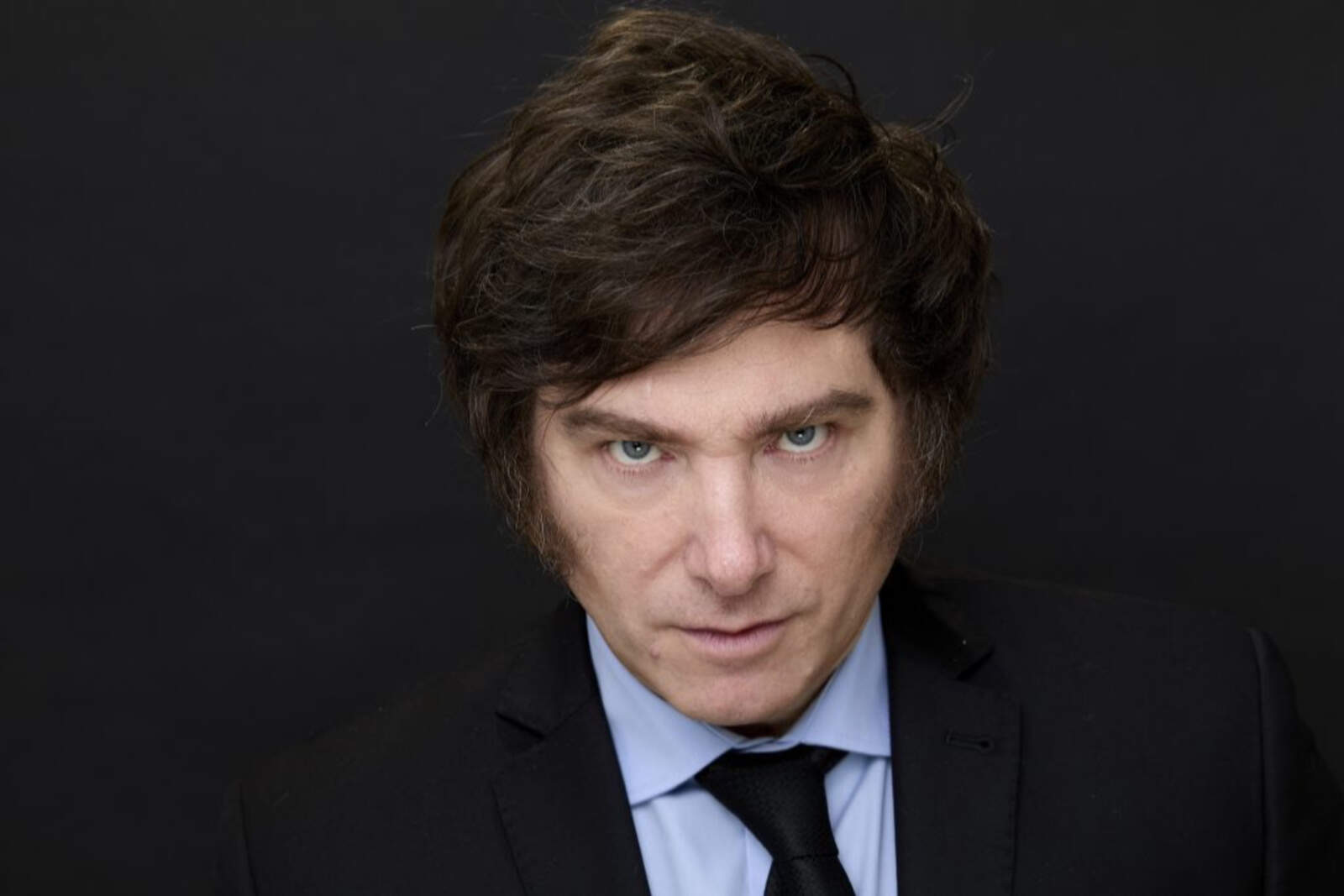
President Javier Milei launched a harsh message against a group of industrial businesspeople whom he accused of having "exposed the corrupt system" that, according to him, harmed Argentines for years. The criticism was directed at Paolo Rocca, Javier Madanes Quintanilla, and Roberto Méndez, amid controversies over prices, factory closures, and the opening of imports.
In a text titled "Cultural Battle", Milei ironically thanked the businesspeople for "having exposed" the functioning of a scheme that combined protectionism, restrictions on competition, and extraordinary profit margins.
The tire case and the admission of overpricing
The controversy deepened after the CEO of Neumen publicly acknowledged that, before deregulation, tires were excessively priced and that companies obtained unusually high profits thanks to a closed market.
Milei apuntó contra Rocca y empresarios industriales: 'Dejaron en evidencia al sistema corrupto'
Méndez admitted that import restrictions made it possible to mark up prices with margins of up to 60% or 70%, far above what he considered "normal" profitability, close to 20%. His statements were interpreted by the ruling party as a confirmation of the distortions that the new economic scheme seeks to correct.
In parallel, the closure of the historic Fate factory — owned by Madanes Quintanilla, who is also the owner of Aluar — caused discontent in the Casa Rosada because of the timing chosen for the announcement, which coincided with the parliamentary debate on labor reform.
The clash with Techint and the gas pipeline tender
The confrontation with Rocca intensified after the contract was awarded to the Indian company Welspun to supply pipes for the gas pipeline between Vaca Muerta and Río Negro. The bid was 25% lower than the one submitted by Tenaris, a subsidiary of Grupo Techint.
From within the ruling party, officials defended the opening of imports as a mechanism to reduce costs and end dominant positions. Milei questioned those who criticized the decision and suggested that some media and political actors answer to business interests.
End of privileges and paradigm shift
For the government, these episodes reflect the clash between the old model of selective protection and the new orientation toward free competition. The libertarian administration keeps that trade liberalization seeks to benefit consumers, lower prices, and dismantle structures that operated for years with little real competition.
In that context, Milei argued that the country is going through a "cultural battle" against practices that he considers part of a corporate framework protected by the state.
The presidential message marks a turning point in the relationship between Casa Rosada and sectors of industrial business that have historically maintained strong influence over Argentine economic policy.