Maia Sandu, President of Moldova, has mentioned that she is in favor of unification with Bucharest in the face of growing pressure from Russia
Compartir:
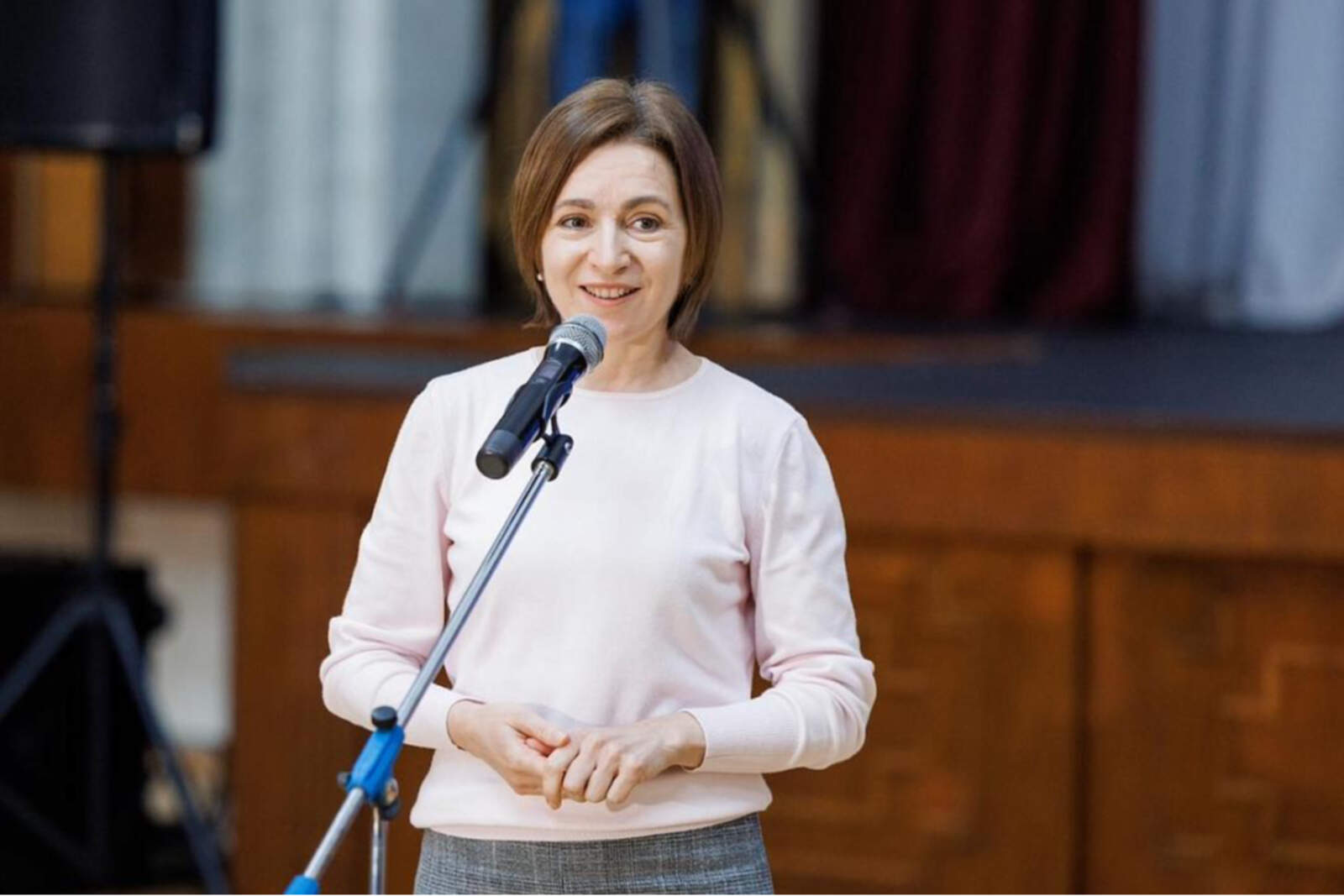
The president of Moldova, Maia Sandu, stated that she would vote in favor of the unification of her country with Romania if a referendum were held, since she believes that this option could strengthen security and democratic stability in the face of pressure from Russia. The statements were made in an interview for a British podcast.
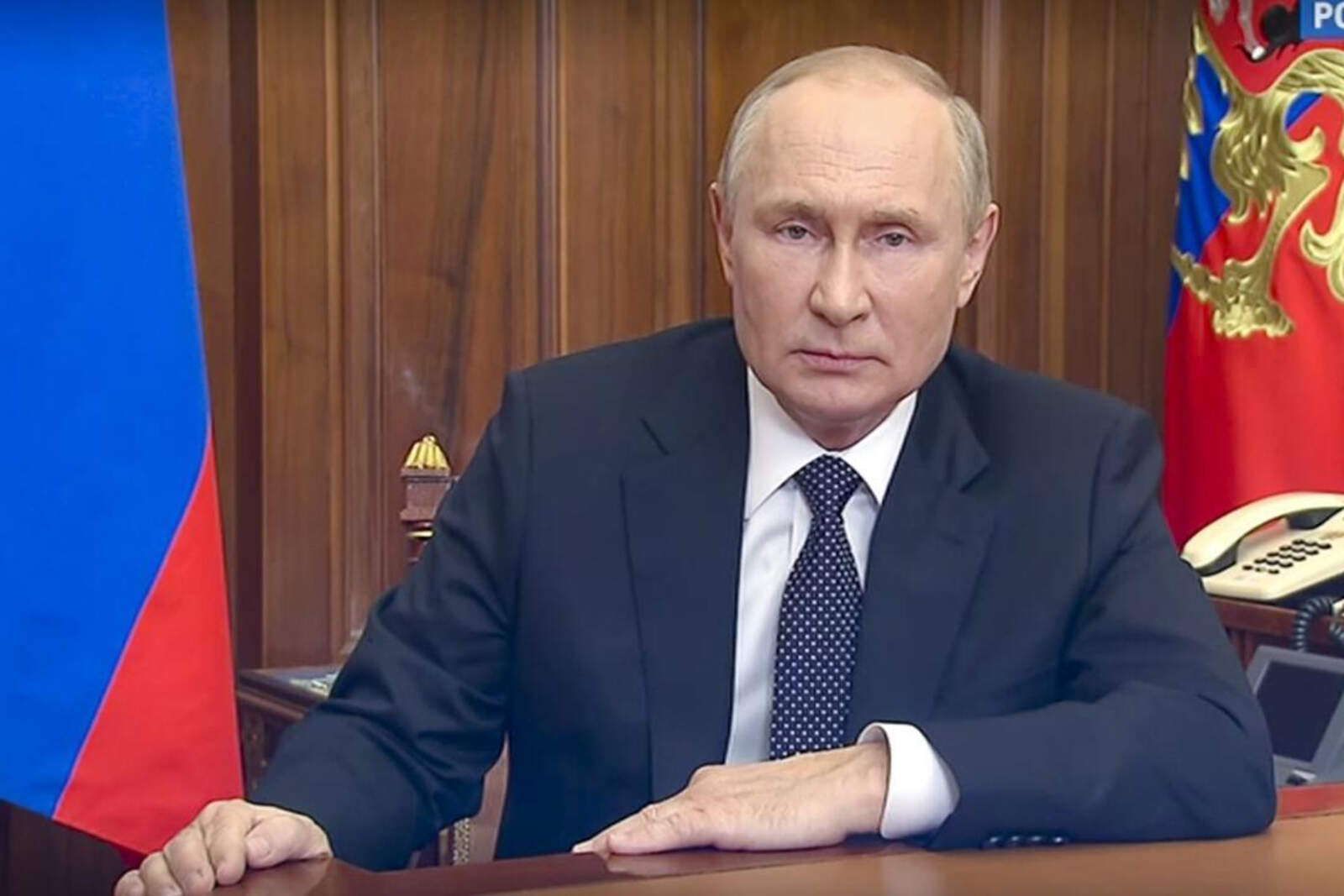
Sandu, leader of a pro-European government whose party obtained a new mandate in the elections last September, again accused Moscow of interfering in Moldova's internal affairs.
The country, a former Soviet republic with about 2.4 million inhabitants, has a majority Romanian-speaking population and a Russian-speaking minority, and is in an especially vulnerable geopolitical position.
"In today's world it is increasingly difficult for a small country like Moldova to survive as a democracy and as a sovereign state, and to withstand the influence of Russia," stated the head of state.
Maia Sandu fue reelecta el año pasado como presidente del país
In that context, she maintained that unification with Romania, a member of both the European Union and NATO, could offer greater guarantees of political and institutional security.
Nevertheless, the president acknowledged that her position doesn't have majority support among the citizenry. According to recent polls, only around one third of Moldovans support reunification with Bucharest.
This lack of consensus explains, according to Sandu, that integration into the European Union is currently a "more realistic" objective for the country. Even so, she emphasized that approximately 1.5 million Moldovans also hold Romanian citizenship, which reflects the close historical and cultural ties between both states.
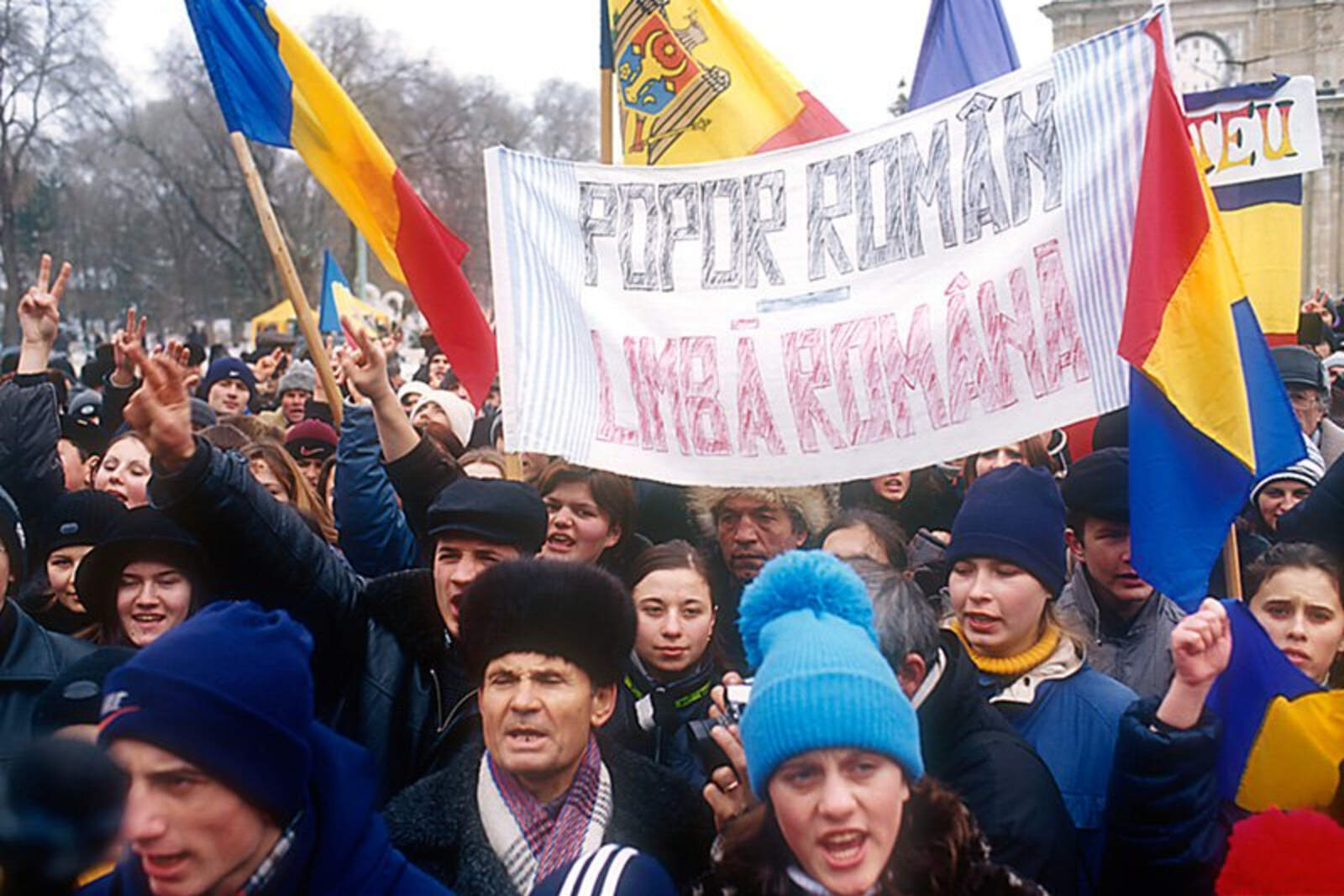
Solo un tercio de la población moldava está a favor de unirse a Rumanía
The Moldovan government has set itself the goal of joining the EU before 2030, a process that will require deep economic, judicial, and political reforms. These transformations will have to be carried out in a complex domestic climate, marked by political polarization and the presence of pro-Russian forces. The Socialist Party, which has a pro-Russian orientation, was in power until 2020.
Moldova also shares a border with Ukraine, which increases its exposure to regional tensions arising from the war. Historically, Moldovan territory was part of Romania during the interwar period, but it was annexed by the Soviet Union during World War II. After the dissolution of the USSR, the country proclaimed its independence in 1991.
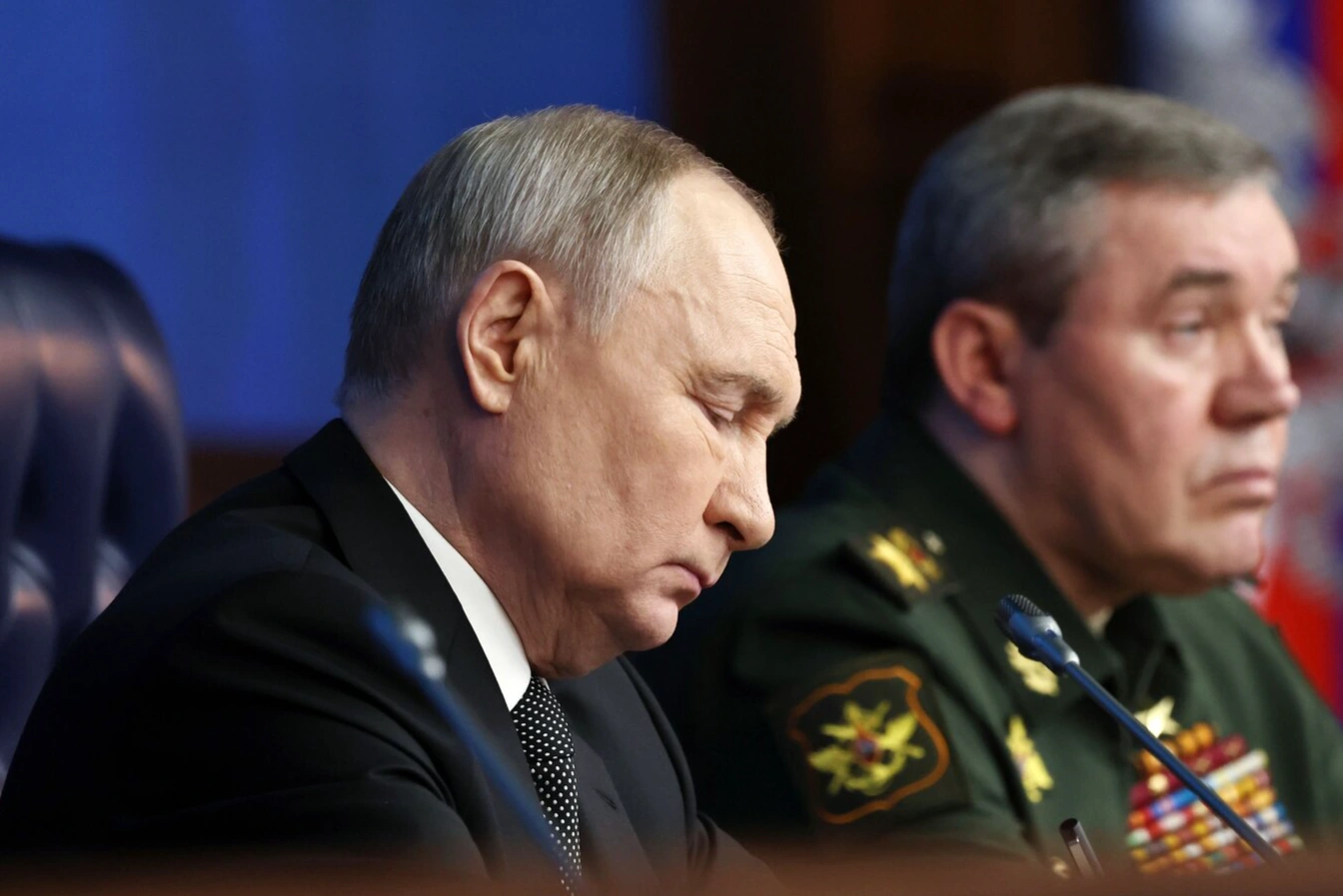
Sandu's statements reopen a sensitive debate about Moldova's political and geopolitical future, at a time when regional security and Russian influence remain a central concern for the country, due to the constant pressure from Putin's government to annex the Transnistria region.