With immediate austerity measures and economic liberalization, Asfura begins his term and leaves behind Xiomara Castro's ideological course
Compartir:
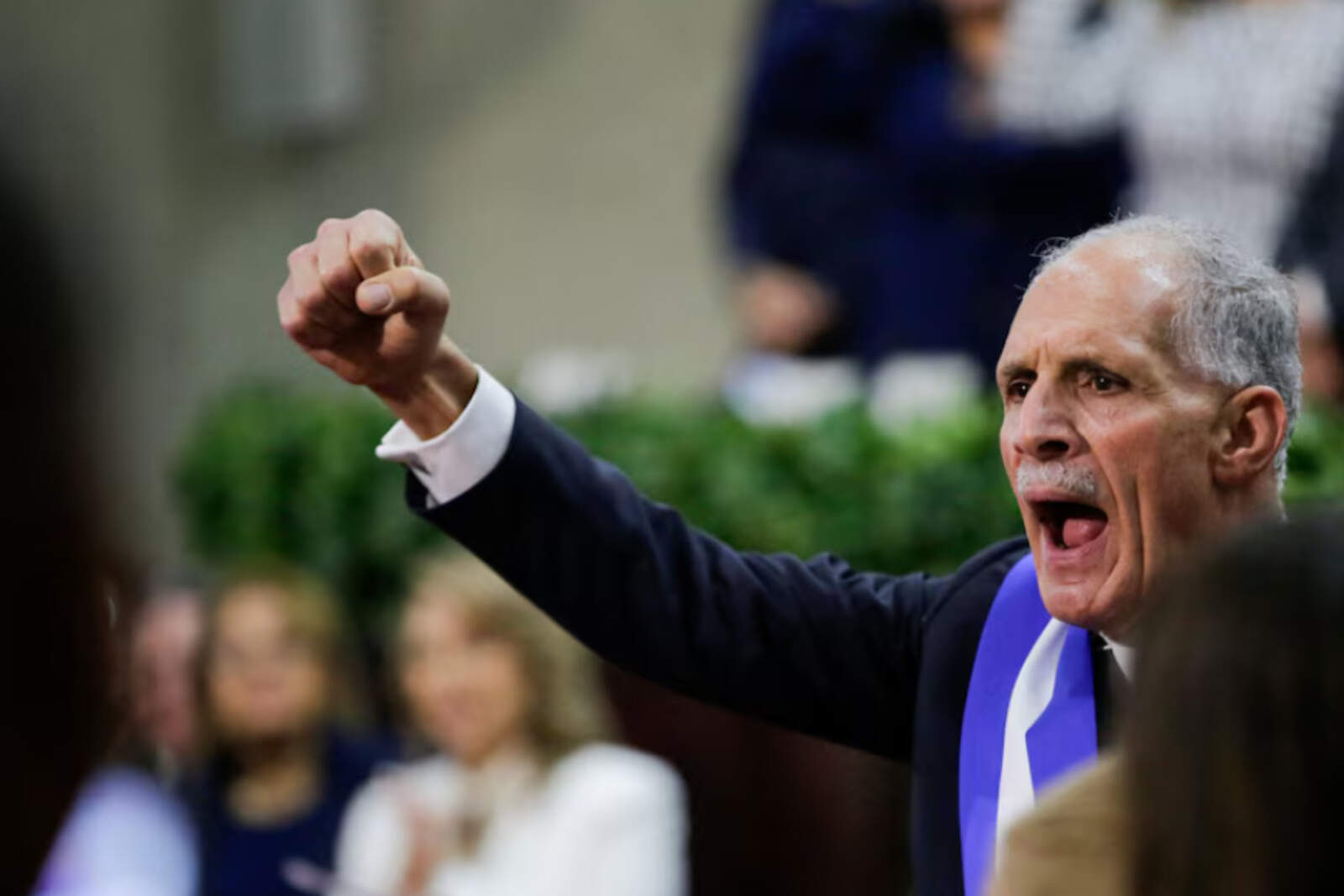
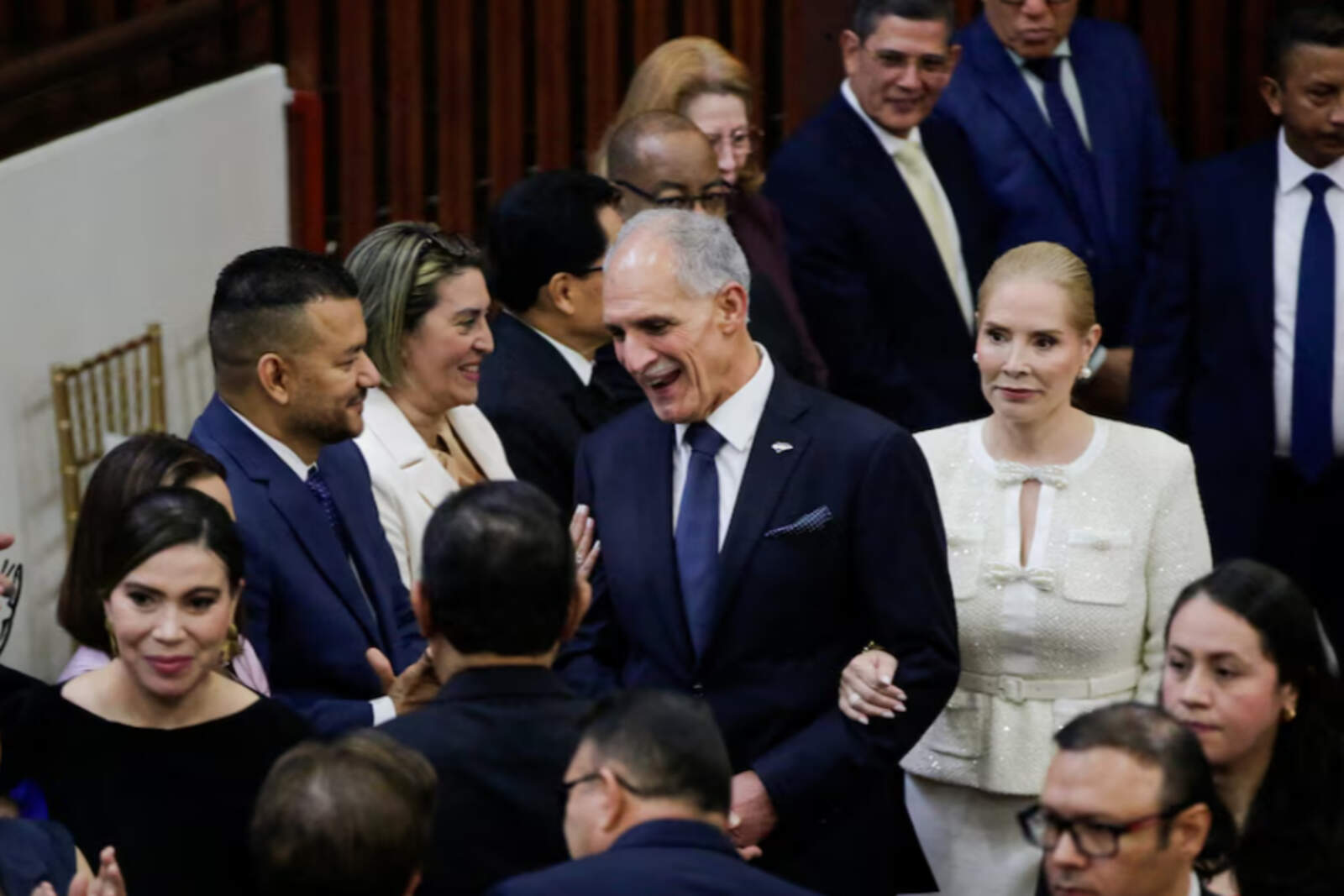
Nasry Asfura was sworn in as the new president of Honduras for the 2026–2030 term, marking the beginning of a new political stage after Xiomara Castro's administration, which was strongly questioned for its ideological alignment with regional Castro-Chavism. Accompanied by his wife and daughters, the president took office with a clear message: to leave ideological discourse behind and return to an agenda focused on management, employment, and fiscal responsibility.
The inauguration ceremony was characterized by its austerity and brevity, in contrast to the grandiose events that usually accompany left-wing governments. There were no foreign presidents present or symbolic gestures loaded with ideology, but rather a focus on the first government decisions.
Three decrees to mark the change of course
Within minutes of taking office,Asfura signed three legislative decrees that serve as an initial roadmap for his administration. The first expands the national import regime, allowing 125 companies to join the temporary agreement. The measure aims to boost the economy and create formal employment for more than 45,000 Hondurans, a concrete shift in the face of the inherited stagnation.
The second decree authorizes the sale of the presidential plane, a direct signal against political spending and the discretionary use of public resources that characterized the outgoing administration. The funds obtained will be redirected to priority areas, in line with an austerity policy that seeks to restore fiscal confidence.
Nasry 'Tito' Asfura asumió la presidencia de Honduras y marcó un giro tras la era castrochavista
The third decree establishes the expansion of the National Autonomous University of Honduras in eight departments where it previously had no presence. The decision aims to broaden access to higher education without resorting to clientelist structures or ideological indoctrination.
Foreign policy and distance from ideological alignment
Asfura will receive in the coming days the letters of credence from the ambassadors of Israel and the European Union, in what is interpreted as the first foreign policy gesture of the new government. During Xiomara Castro's administration, this type of event was relegated or directly ignored in favor of ideological affinities with authoritarian regimes in the region.
The gesture seeks to normalize strategic diplomatic relations and reposition Honduras on the international stage, far from the isolation and confrontational rhetoric promoted by the regional left.
Nasry 'Tito' Asfura asumió la presidencia de Honduras y marcó un giro tras la era castrochavista
A narrow victory and the end of a political cycle
Nasry Asfura was declared the winner by the National Electoral Council after the general elections of November 30, 2025, with 40.27% of the vote, narrowly surpassing Salvador Nasralla. With his inauguration, he becomes the twelfth democratically elected president of the country and puts an end to a political cycle marked by economic failure and the ideological bias of Xiomara Castro.
The new government now faces the challenge of rebuilding the economy, restoring institutional stability, and definitively leaving behind the leftist experiment that Honduras paid for with stagnation and loss of opportunities.