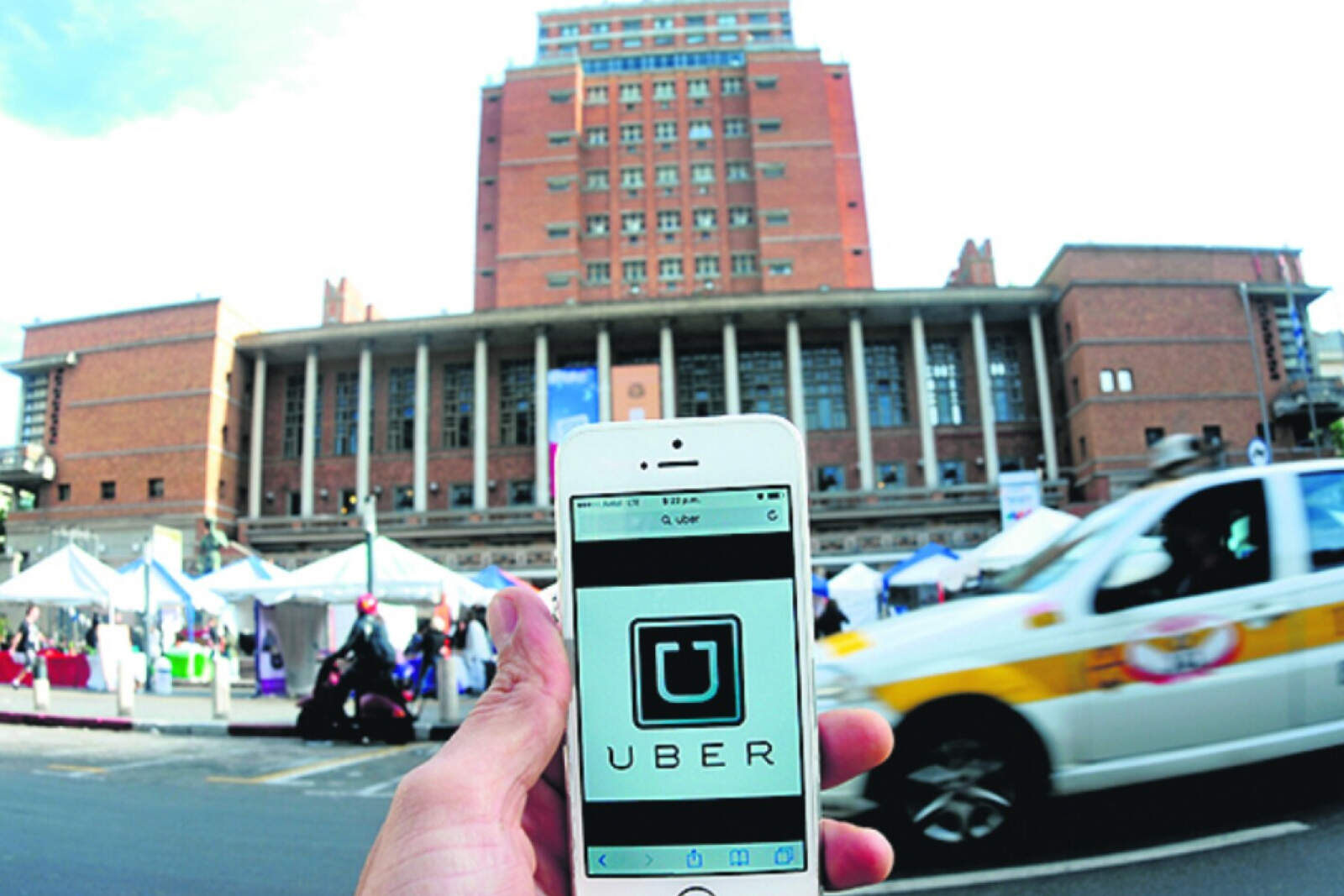
There was a time when Uber was synonymous with freedom, efficiency, and a slap in the face to the monopoly of traditional taxis. In Uruguay, when the app arrived in 2015, it promised a fast, reliable, and affordable service, all from the palm of your hand.
However today in 2025, the liberal dream of a dynamic and competitive market has crashed against the wall of state bureaucracy and stifling regulations.
Uber's service in Uruguay has not only lost its shine but has become a caricature of what it once was: cars no longer as clean, endless wait times, and fares that make one nostalgically look back at the taximeters of yesteryear.
The Debate: The Arrival of Uber
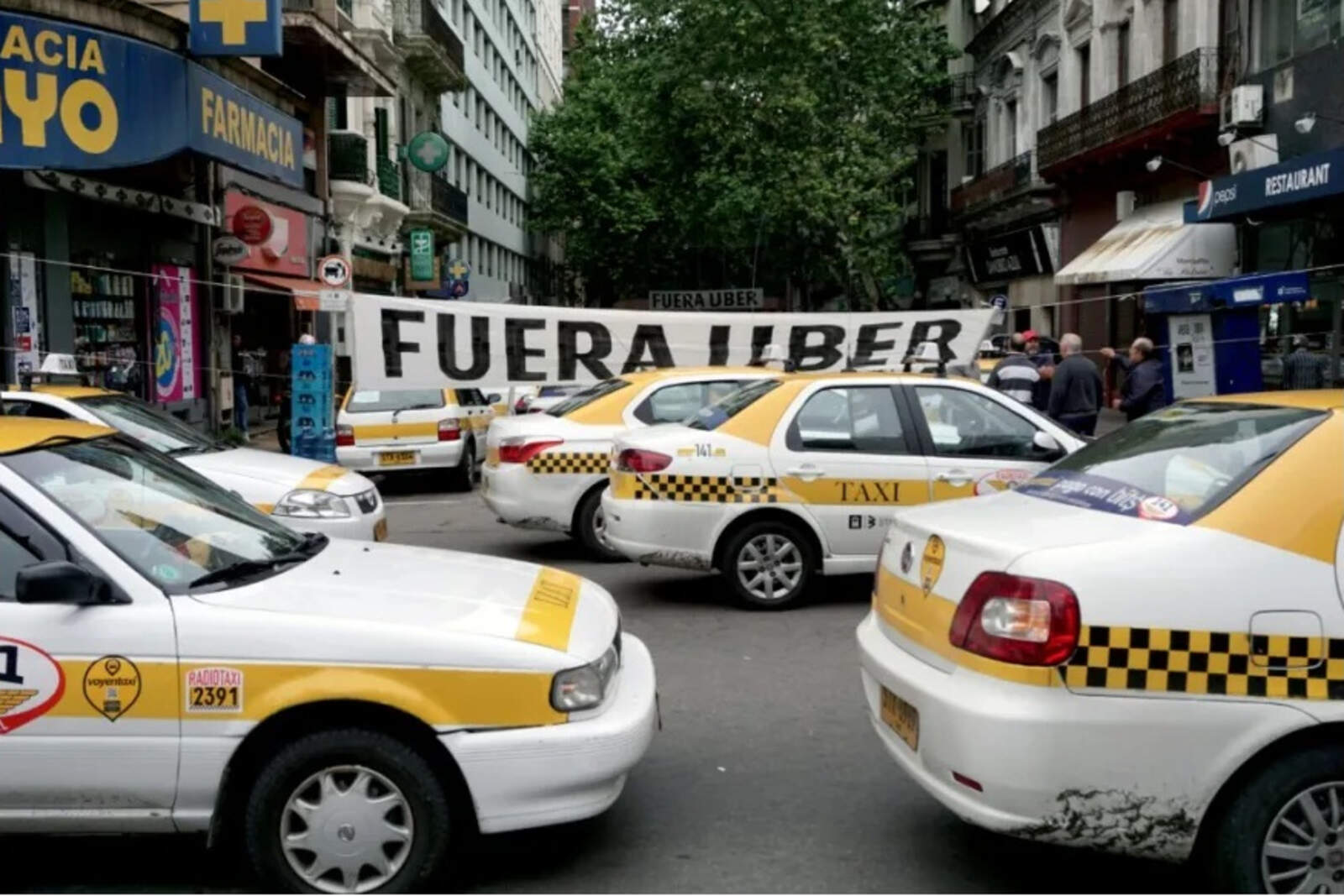
fuera uber When Uber arrived in Uruguay in 2015, it sparked an intense debate that pitted innovation advocates against traditional transportation sectors. On one hand, the platform was enthusiastically received by users who saw it as an efficient, modern, and economical alternative to taxi service, often criticized for its lack of quality.
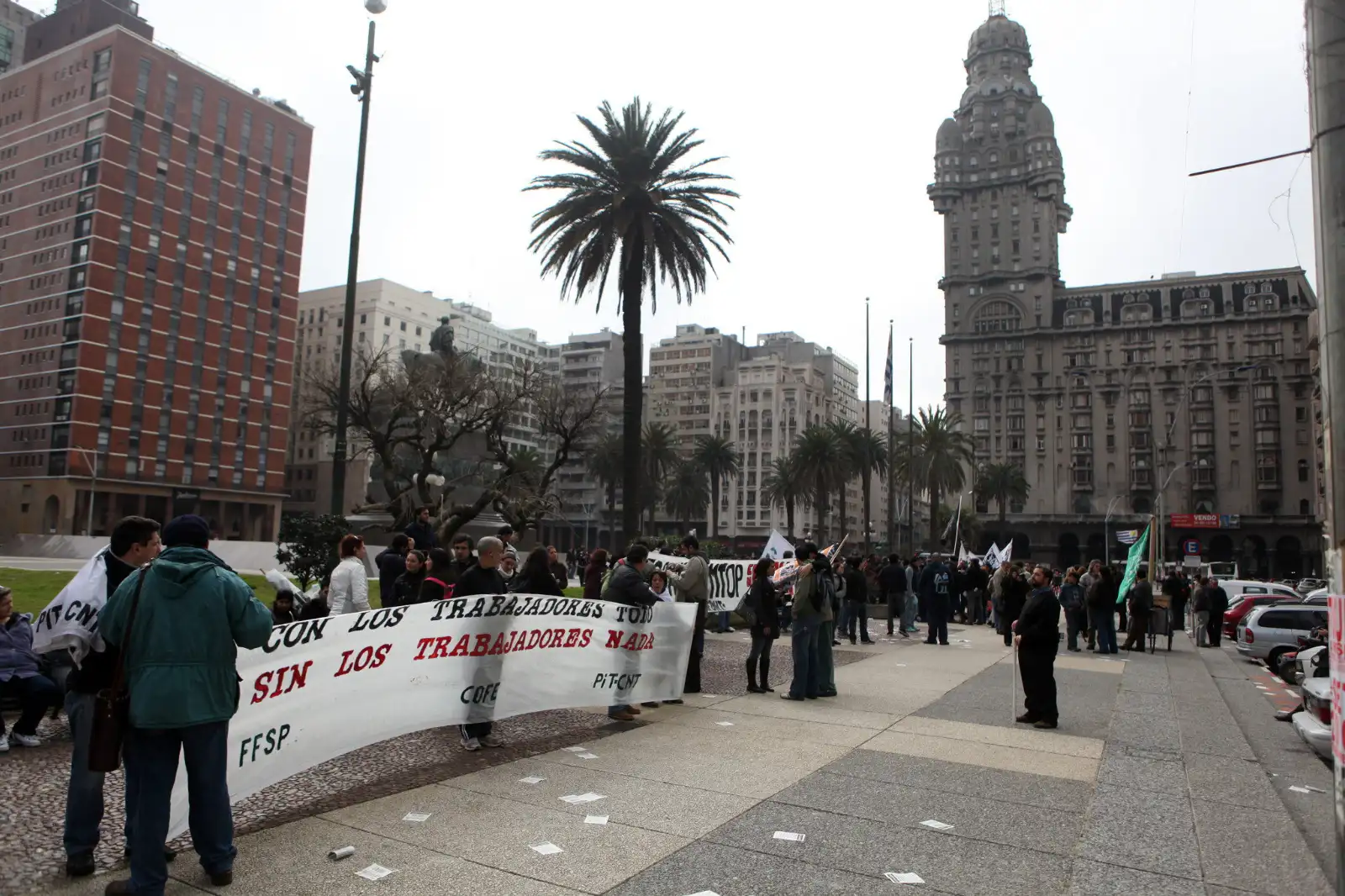
Meanwhile, the taxi drivers, backed by their unions, with Oscar Dourado at the helm, protested vigorously, arguing that Uber represented unfair competition by operating without the licenses and regulations they had to comply with, leading to mobilizations and calls for prohibition.
Then, given the established public debate, the Montevideo City Council, caught between the pressure of taxi drivers and consumer demand, opted for the "country of the tie" and took a regulatory approach to balance the forces, although the loser in a negotiation is always the one not at the table, in this case, the consumer.
The IMM imposed restrictions, such as the requirement for specific permits and limits on the number of drivers, which created tensions with Uber, which defended its free-market model. This debate reflected a broader struggle between technological innovation and established interests, marking the beginning of a regulatory process that, according to critics, ended up affecting the quality and prices of the service in the following years.
The Decline in Quality: From Excellence to Mediocrity
In its early days, Uber was a revolution. Drivers rated by users, impeccable vehicles, and an app that made ordering a ride as easy as sending a WhatsApp.
Personally, given the prices, I had many rides in 2016 and took the opportunity to chat with the drivers and was interested in how they were doing. None were dissatisfied, some said "it works for me" "it's an extra" and most "it's very good for me."
Happy users, happy workers.What happened then? The State and the businessmen lost, so under the mantra of "safety," it began through its claws, added to business and union lobbying, to meddle "to provide safety for all."
From there, everything changed. User testimonials are unanimous: the cars are no longer as clean, the drivers seem less capable, and wait times have skyrocketed. Coincidence? No. Since the Montevideo City Council decided to freeze the incorporation of new permit holders in 2018, the supply of drivers has stagnated.
According to a report by El Observador, many of the original permit holders no longer drive, leaving a vehicle deficit that is not replenished. The result: fewer cars available, more delays, and drivers who, knowing that demand exceeds supply, allow themselves to be less alert. The country of the tie won again, but there were no ties, there were winners: the State, the businessmen, and there were losers: the user.
Then, regulation, disguised as "consumer protection," has created an artificial bottleneck. In a free market, competition would have forced drivers to maintain high standards to avoid losing customers to others willing to offer better service. But with a limited number of permits, the incentive to improve disappears. Why clean the car or be punctual if you're going to have passengers anyway? The user, trapped in a system where there are no alternatives, ends up paying the price for this imposed mediocrity.
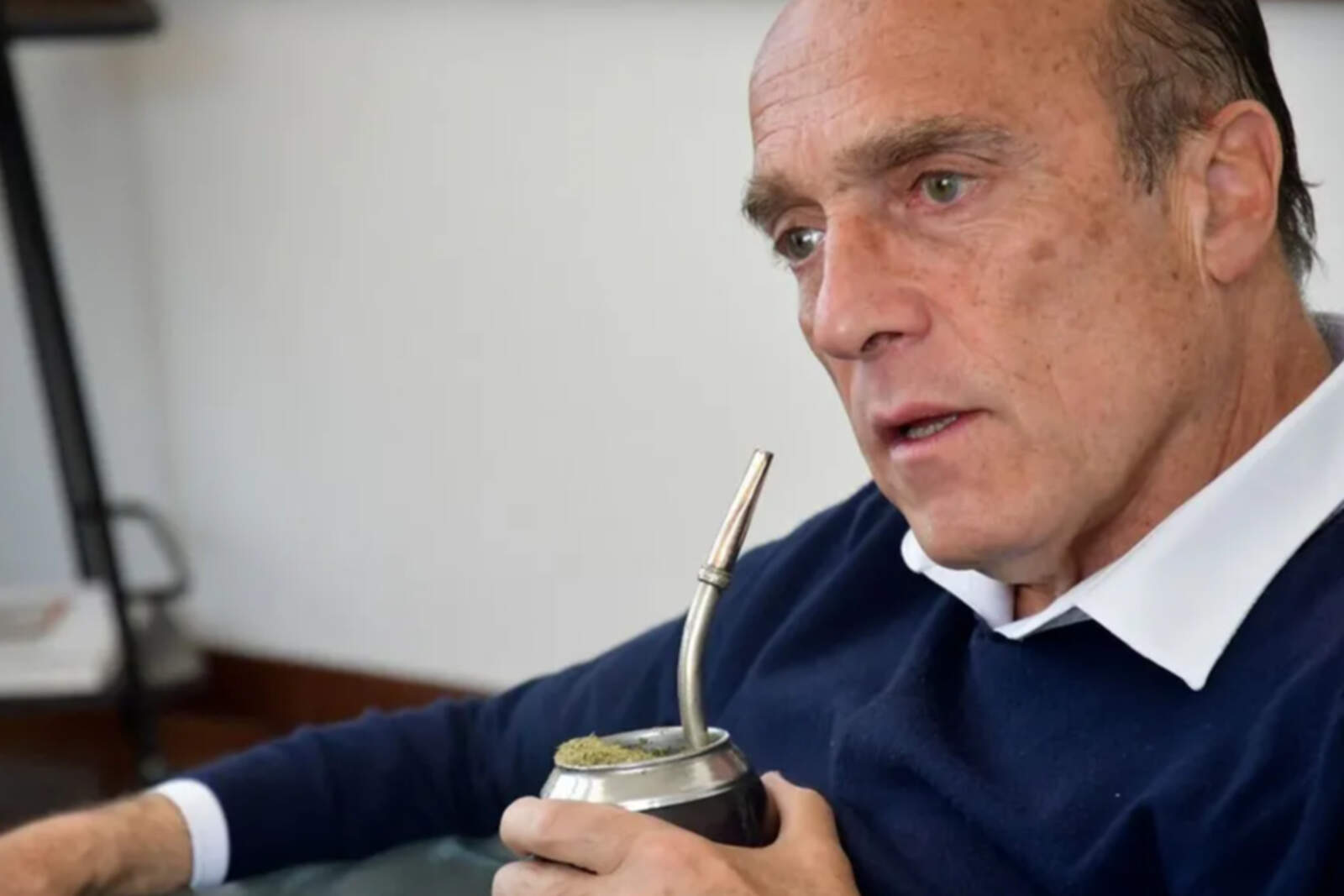
Prices Through the Roof: Regulatory Inflation daniel martinez
If the decline in quality wasn't enough, Uber fares in Uruguay have skyrocketed. In 2019, El Observador reported an increase in Montevideo, with the base fare rising $4, the kilometer $2, and the minimum fare $10. Since then, prices have continued to climb, and not just due to general inflation. Dynamic pricing, that tool that adjusts prices according to demand, now seems to be always active, even during off-peak hours. The reason? The same shortage of drivers caused by permit restrictions. With fewer cars on the street, the app raises prices to "incentivize" drivers, but the user ends up paying the price.
In a free market, the entry of new drivers would have balanced supply and demand, keeping prices competitive. But the State, with its obsession with control, has created an artificial oligopoly where Uber and its drivers can charge more without fear of losing customers. And let's not kid ourselves: drivers aren't swimming in money with the excessive regulations.
The free market would have allowed new platforms or independent drivers to enter the game, forcing Uber to lower its commissions and drivers to be more efficient. But no, the government prefers to protect traditional taxi drivers and maintain the status quo.
Taxi Drivers on the Attack
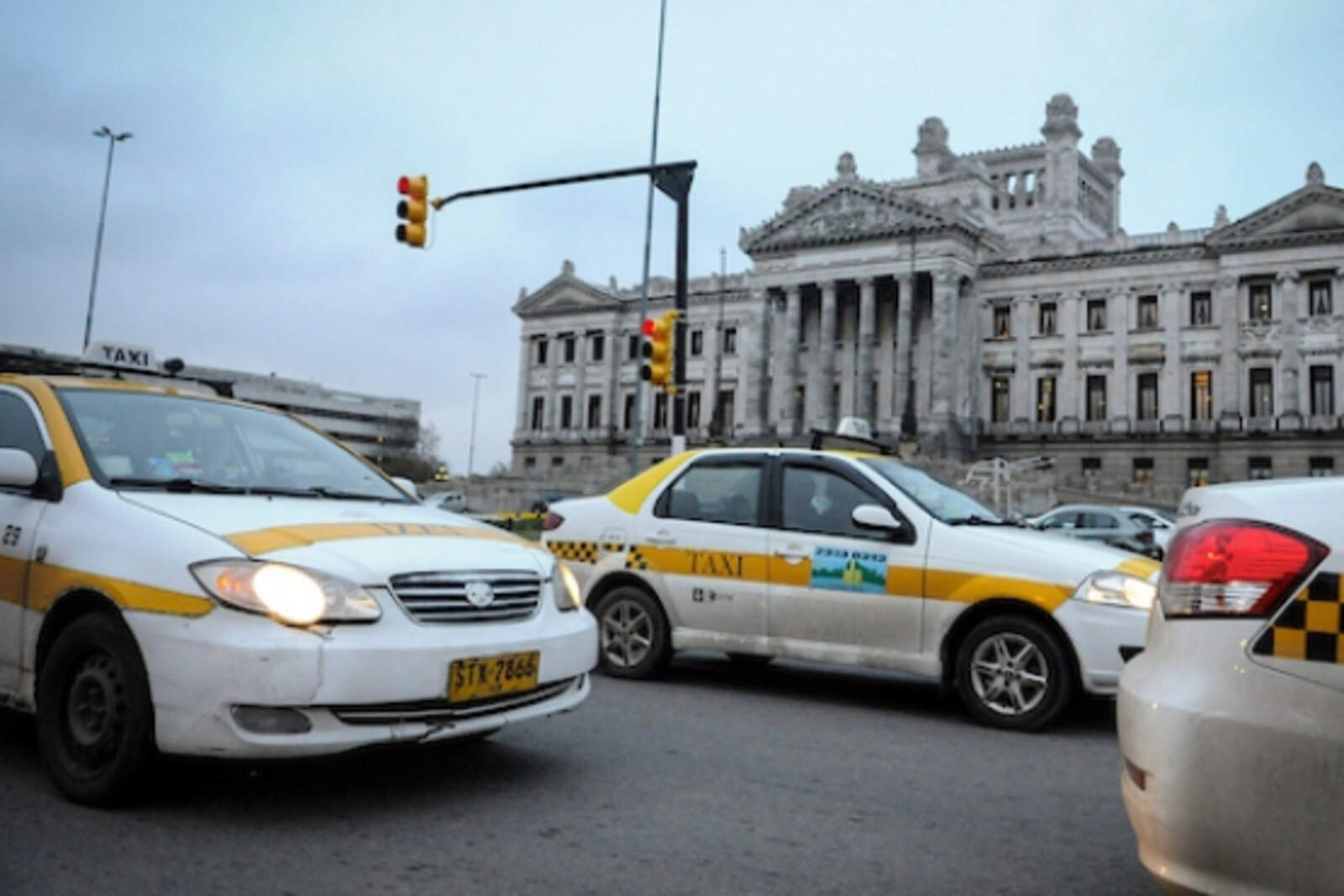
Taxis, 180.com.uy
The underlying problem is the regulatory mindset that sees innovation as a threat rather than an opportunity. When Uber arrived in Uruguay, taxi drivers took to the streets, shouting "unfair competition" and demanding that the app be banned.
The taxi drivers' arguments were the same as those of the businessmen seeking to limit TEMU "We want to compete, yes, but on equal terms." That equality was not asking Mayor Daniel Martinez to take the 44-pound backpack off their backs (call it excessive regulations, exorbitant costs to have a license, taxes, etc.), but to put it on UBER as well.
Limited licenses, endless inspections, and fines for unauthorized drivers have turned Uber into a shadow of what it was. As Vint Cerf, one of the fathers of the Internet, said during a visit to Uruguay in 2015: "It's better not to regulate and allow innovation." But here, the government chose the opposite path, and the results are clear.
A 2016 study by the Universidad Alberto Hurtado pointed out that platforms like Uber reduce market frictions, allowing users to find transportation faster and at a lower cost.
But in Uruguay, regulations have reversed those benefits. By limiting the number of drivers, the government has not only made the service more expensive but has also eliminated the incentives for traditional taxi drivers to improve. Why invest in a more comfortable car or better customer service if users have no other option? The result is a stagnant market, where neither Uber nor taxis offer the quality that Uruguayans deserve.
Less State, More Market
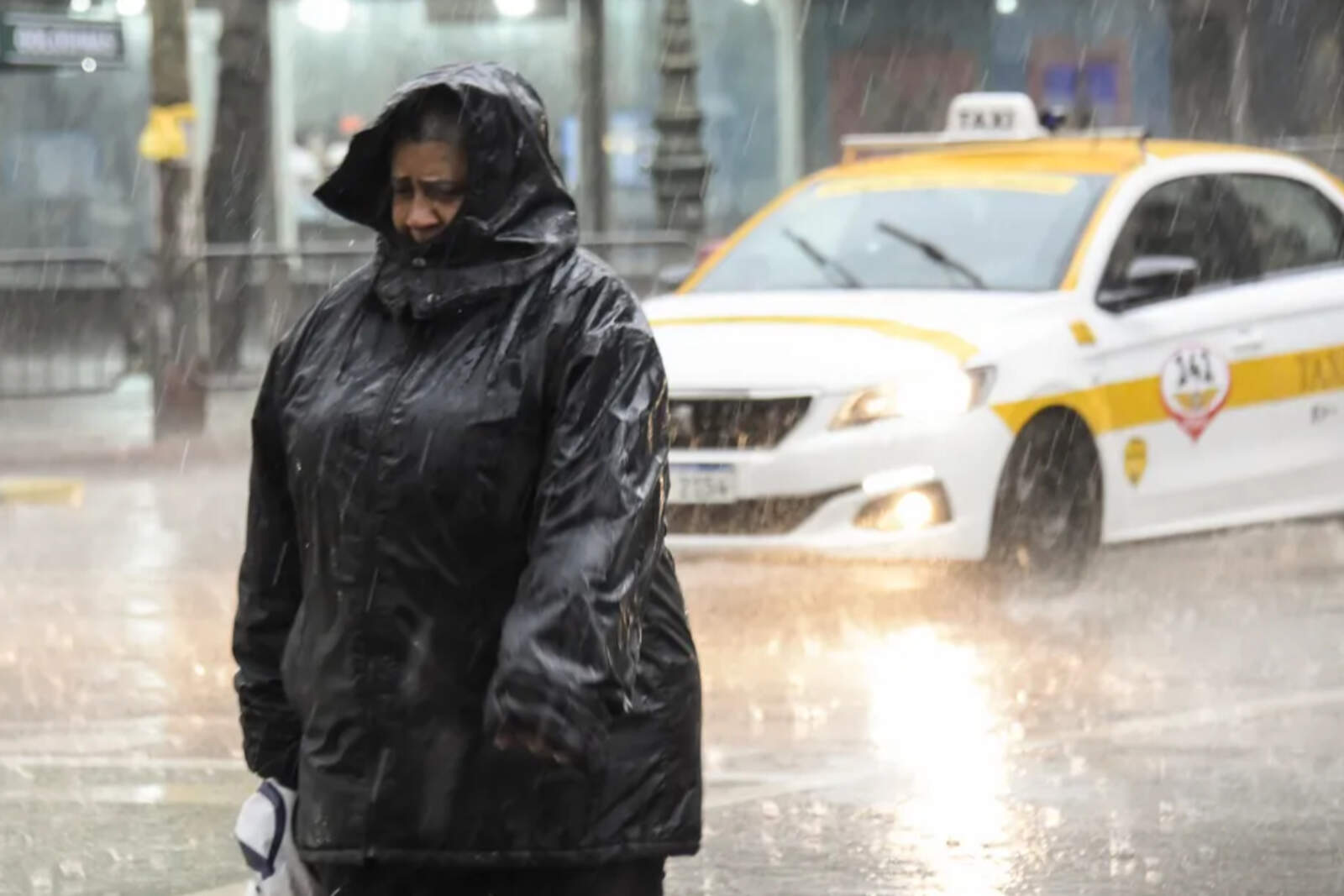
lluvia
Uber's debacle in Uruguay is a textbook case of how state interventionism destroys innovation. The solution is not more regulation, but less. Opening the market to new drivers, eliminating permit quotas, and allowing other platforms to compete freely would return power to consumers.
If a driver offers poor service, let them lose customers to another who does make an effort. If Uber charges too much, let alternatives like InDrive or Cabify emerge to bring them down a notch. As Milton Friedman said, "the freedom of individuals to pursue their own interests is the best guarantee of an efficient market."
As long as the City Council continues to put up obstacles, Uruguayans will remain trapped in a system where we pay more for less. Uber, which was once a symbol of the freedom to choose, has become a reminder of what happens when the State decides to "protect us" from competition.
So the next time you wait 20 minutes for an Uber that arrives smelling musty and charges you as if it were a limousine ride, remember: it's not the market's fault, it's the bureaucrats' fault who strangled it.