The union sector denounces that only 1,000 of the 40,000 app drivers pay taxes to the Municipality of Córdoba
Compartir:
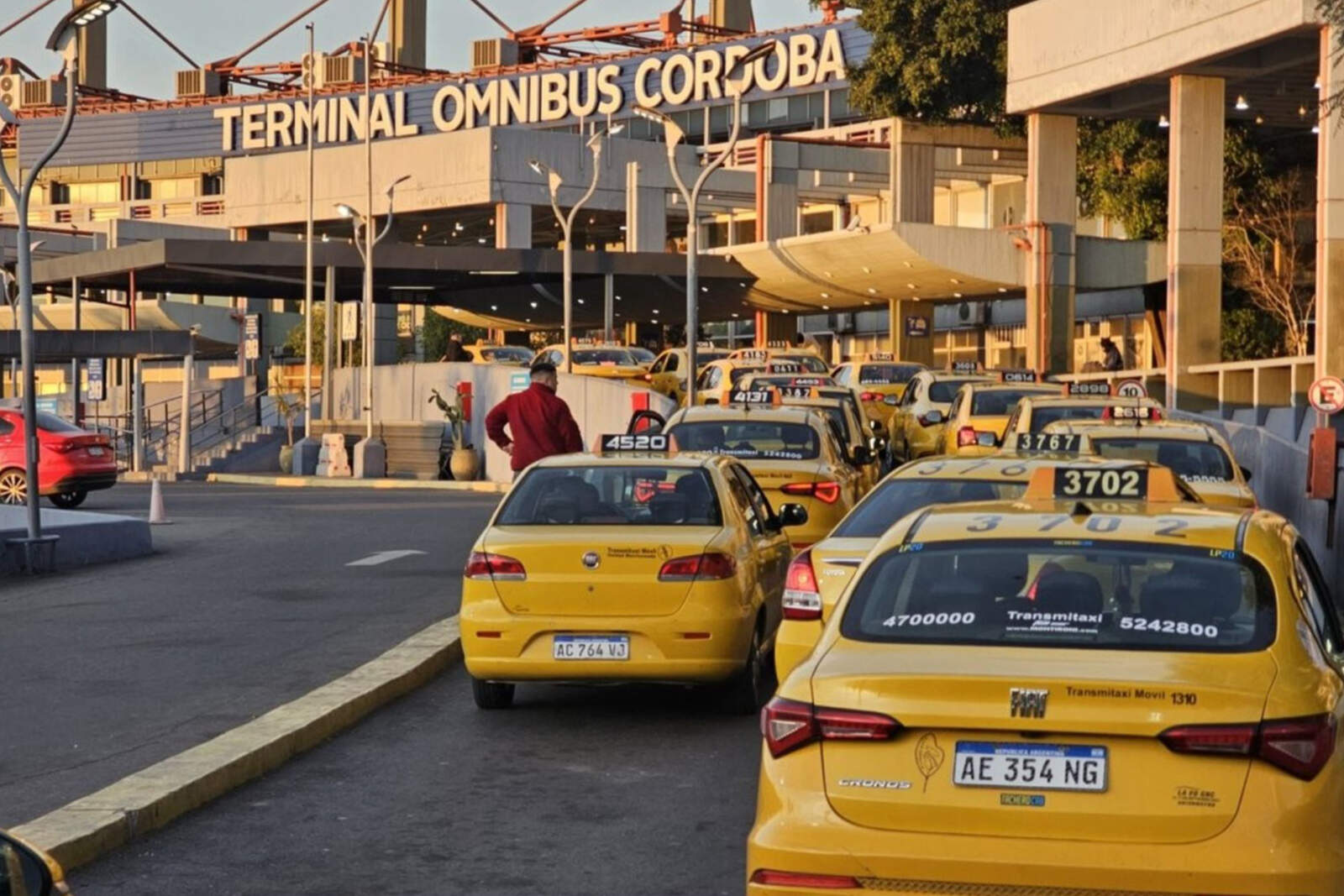
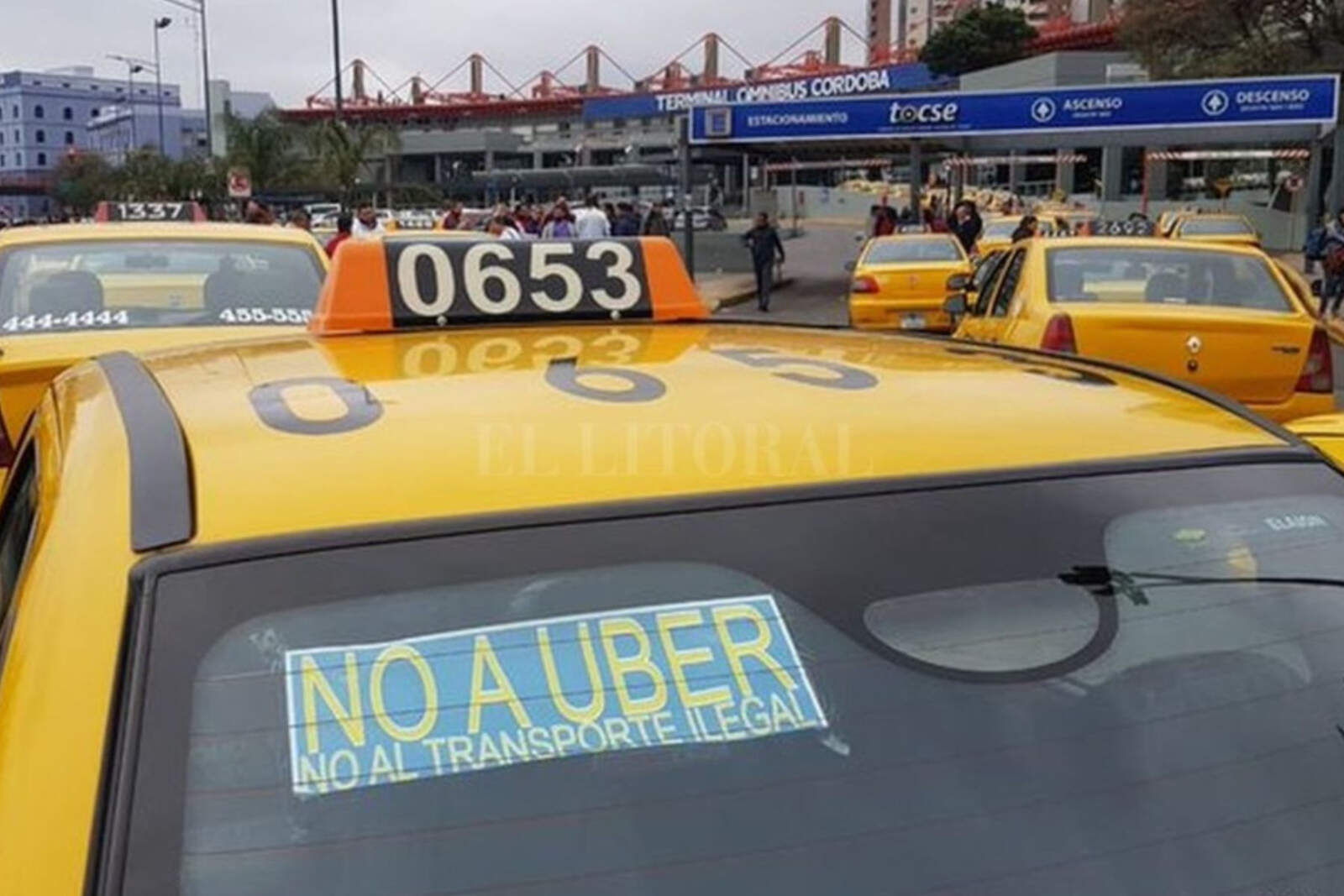
Taxi drivers began to protest this Wednesday in the area of the Córdoba Bus Terminal. The gathering took place on Perón Boulevard to demand that the municipal government toughen its crackdown on transportation platforms. The unions claim that the current ordinance is not being enforced with the necessary rigor to stop the advance of technology.
The sector's union defends corporate interests in the face of a market reality that overwhelms them. According to its own estimates, about 40,000 drivers operate through apps in the city. However, only 1,000 of those independent workers are registered in the municipal registry.
This gap reflects citizens' resistance to paying the high fees and the "plates" system required by state bureaucracy. Taxi drivers label as "unfair" a competition that simply offers users greater freedom of choice. Meanwhile, the traffic blockade in key areas affects the right to free movement of thousands of Córdoba residents.
La concentración se realizó sobre el Boulevar Perón para exigir que el Estado municipal endurezca la persecución contra las plataformas de transporte.
The cost of stopping technological competition
The demonstrators claim that the modernization of transportation caused the loss of 1,000 traditional jobs. Nevertheless, they avoid mentioning that the growth of apps responds to the inefficiency of a service regulated by the state. The unions demand that the municipality spend more public resources on inspections to protect their sectoral privileges.
The hostile attitude is directed against workers who choose business models outside union controls. The central argument of the protest is based on alleged security failures and lack of insurance in Uber and Cabify vehicles. For the traditional sector, the only possible solution is to impose punishments and bans on its direct competitors.
The municipality announced a hardening of quasi-communist inspections, but for the union leaders this is not enough. They seek to make the full force of the law fall exclusively on those who want to work without the state breathing down their necks all the time. This pressure seeks to limit the supply of private transportation in order to force passengers to return to taxis.
La actitud hostil se dirige contra trabajadores que optan por modelos de negocio fuera de los controles sindicales.
Legal uncertainty and users' freedom of choice
The confrontation in the streets of Córdoba highlights a struggle against freedom of work and private initiative. Taxi drivers demand that the state act as the enforcer of a monopoly that Córdoba society has already overcome in practice. The alleged lack of controls is nothing more than the difficulty of regulating a service that operates outside the state sphere.
The economic impact that the unions mention is the natural result of market competition. The consumer prioritizes the efficiency, price, and safety that digital platforms provide. Trying to stop this advance through protests and blockades only increases social unrest and legal uncertainty in the city.
The municipality is trapped between the demands of a sector that refuses to modernize and citizens' demands. App-based workers, labeled "risky" by taxi drivers, now represent the main mobility alternative for thousands of people. Fiscal order should not be an excuse to persecute those who seek to generate income independently.