The federal judge of Río Cuarto prosecuted 13 uniformed officers for being part of a gang dedicated to extorting truck drivers
Compartir:
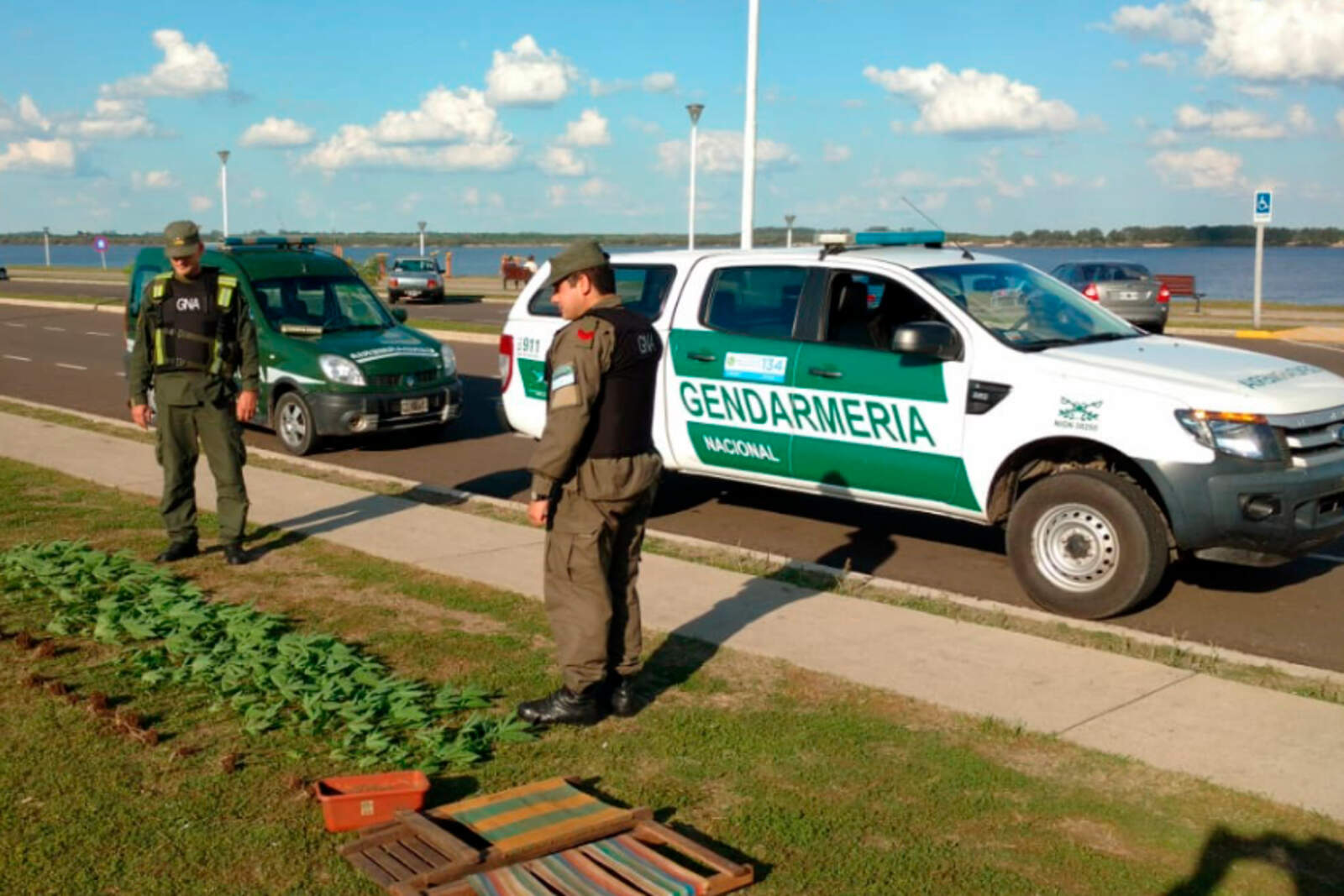
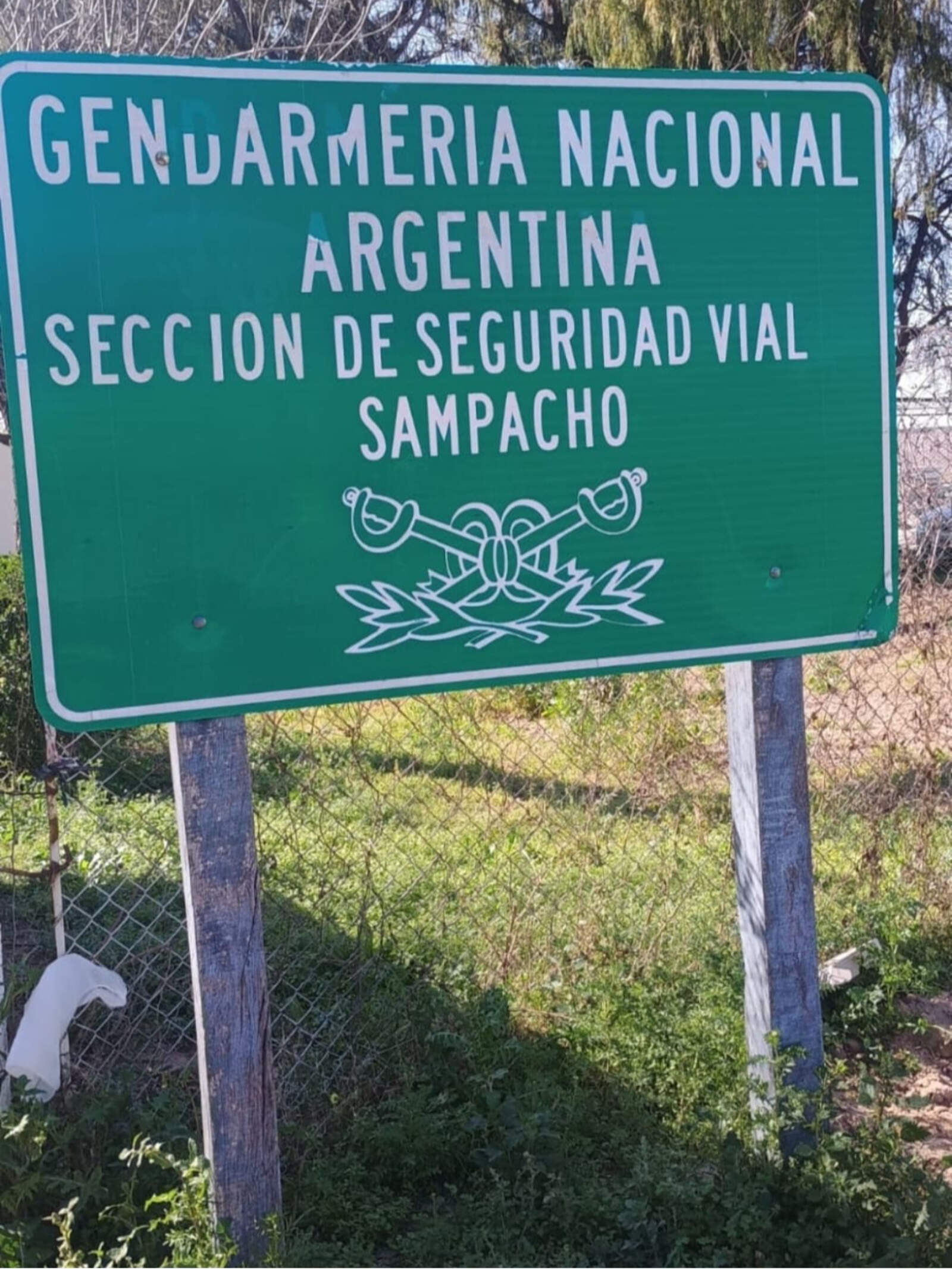
Federal Justice ordered the indictment of thirteen gendarmes who were operating illegally at the road checkpoints on national routes 8 and 35. According to the investigation, the officers stationed near Sampacho demanded cash from transport workers in order to allow them to continue on their way. Judge Carlos Ochoa believes that the individuals involved formed an organized criminal structure that took advantage of their public authority.
Testimonies indicate that the officers delayed drivers on the side of the road under the pretext of alleged irregularities in their documentation. Under pressure, the victims had to place bills inside folders or trunks to avoid the seizure of their vehicles or the issuing of fines. This scheme allegedly extended from October 2024 to July 2025, affecting numerous drivers from all over the country.
In their preliminary statements, the defendants denied the charges and justified certain bank transfers as payments for travel allowances or online betting. However, the judge keeps that there was coordinated planning with divided roles to ensure dynamic, fluid, and agile collection. For the justice system, these acts of institutional corruption seriously erode social trust and the full validity of the current rule of law.
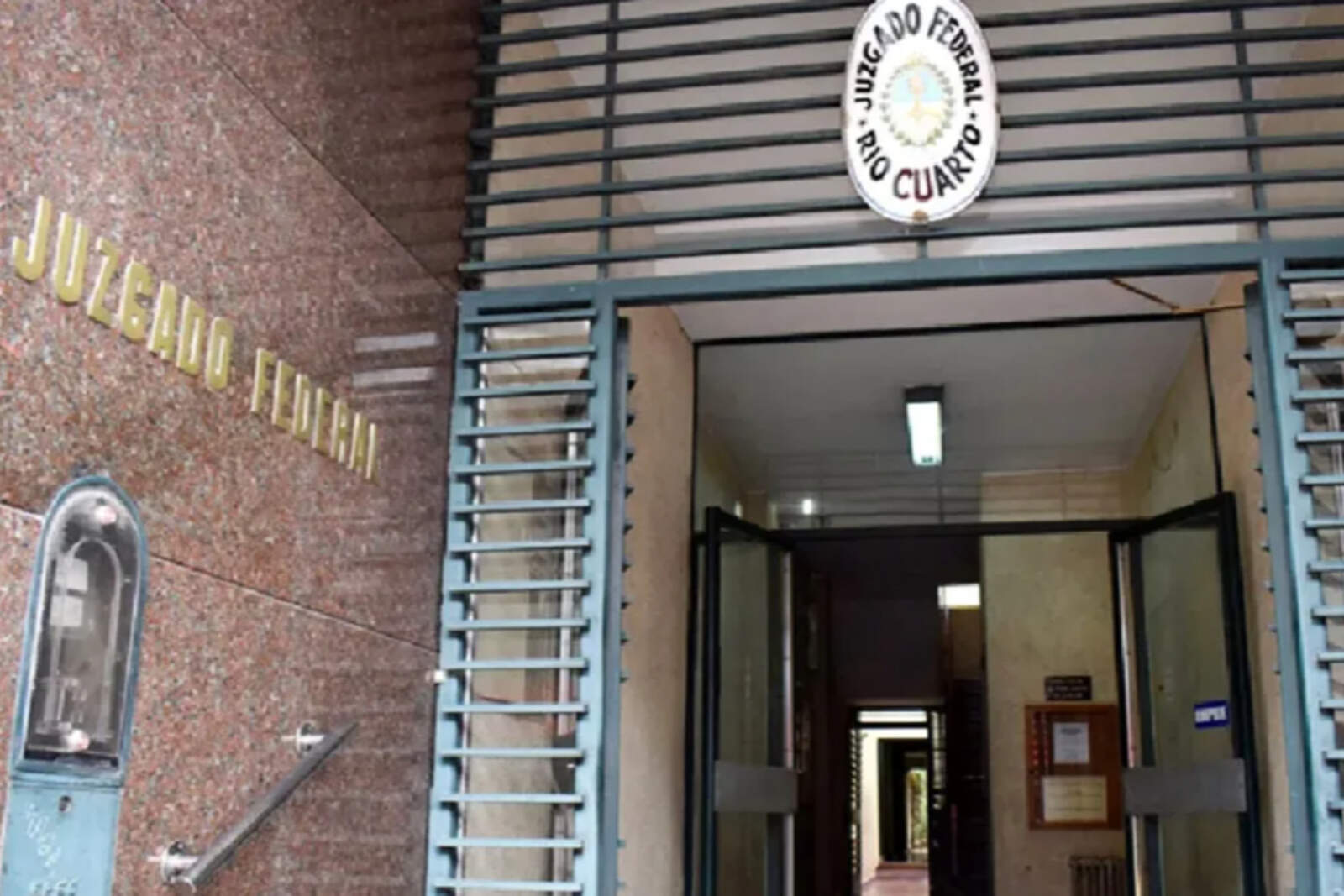
Juzgado Federal de Río Cuarto
Appeals and disagreements in the federal prosecutor's office
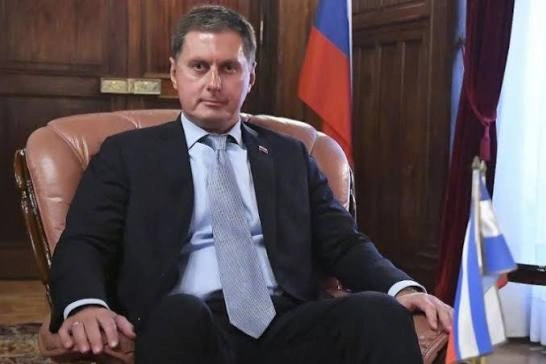
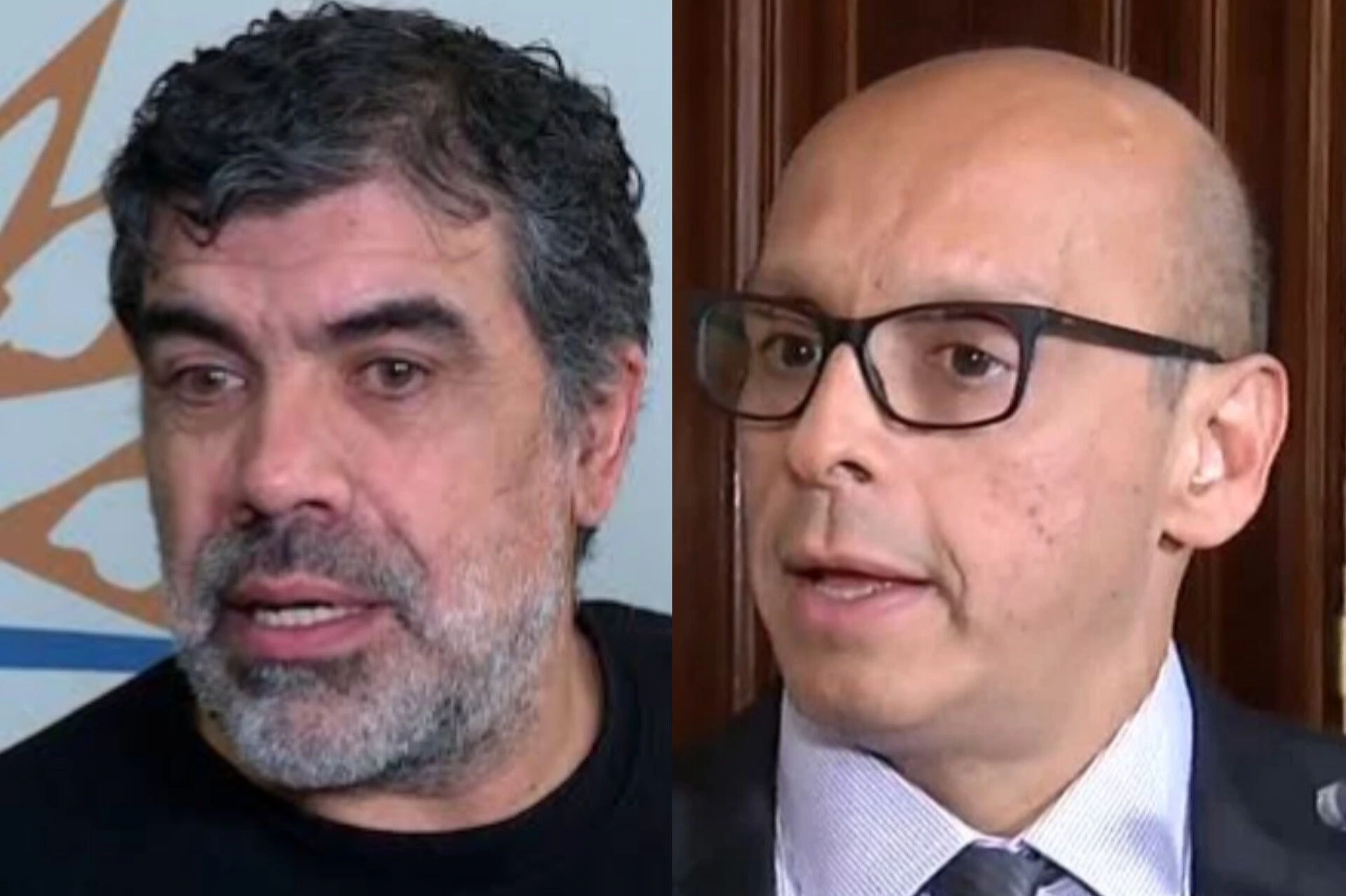
Prosecutor Rodolfo Cabanillas filed an appeal because he believed that the indictment ordered by Judge Ochoa was insufficient and somewhat arbitrary. The representative of the Public Prosecutor's Office demands that another 10 uniformed officers, who were initially accused, also be indicted instead of being granted lack of merit. He also questioned the decision to grant release from detention to certain individuals who were classified only as necessary participants in the group.
Cabanillas firmly opposed the assessment of the evidence carried out regarding defendants Galián and Castro, demanding that their degree of responsibility be reviewed. The case will now be sent to the Federal Court of Appeals of Córdoba, the body that must decide whether to confirm or modify the indictments. Meanwhile, the prosecutor's office insists that the group had a cover-up network that was much broader than what was originally detected in the courts.
The prosecutor believes that there was an uneven assessment of the evidence collected during the raids and the cross-checking of calls from the seized cell phones. The legal dispute centers on determining whether the illicit association operated under orders from higher-ranking officers who have not yet been properly indicted. This review stage will be key to determining whether the number of detainees increases as technical examinations of the bank accounts progress.
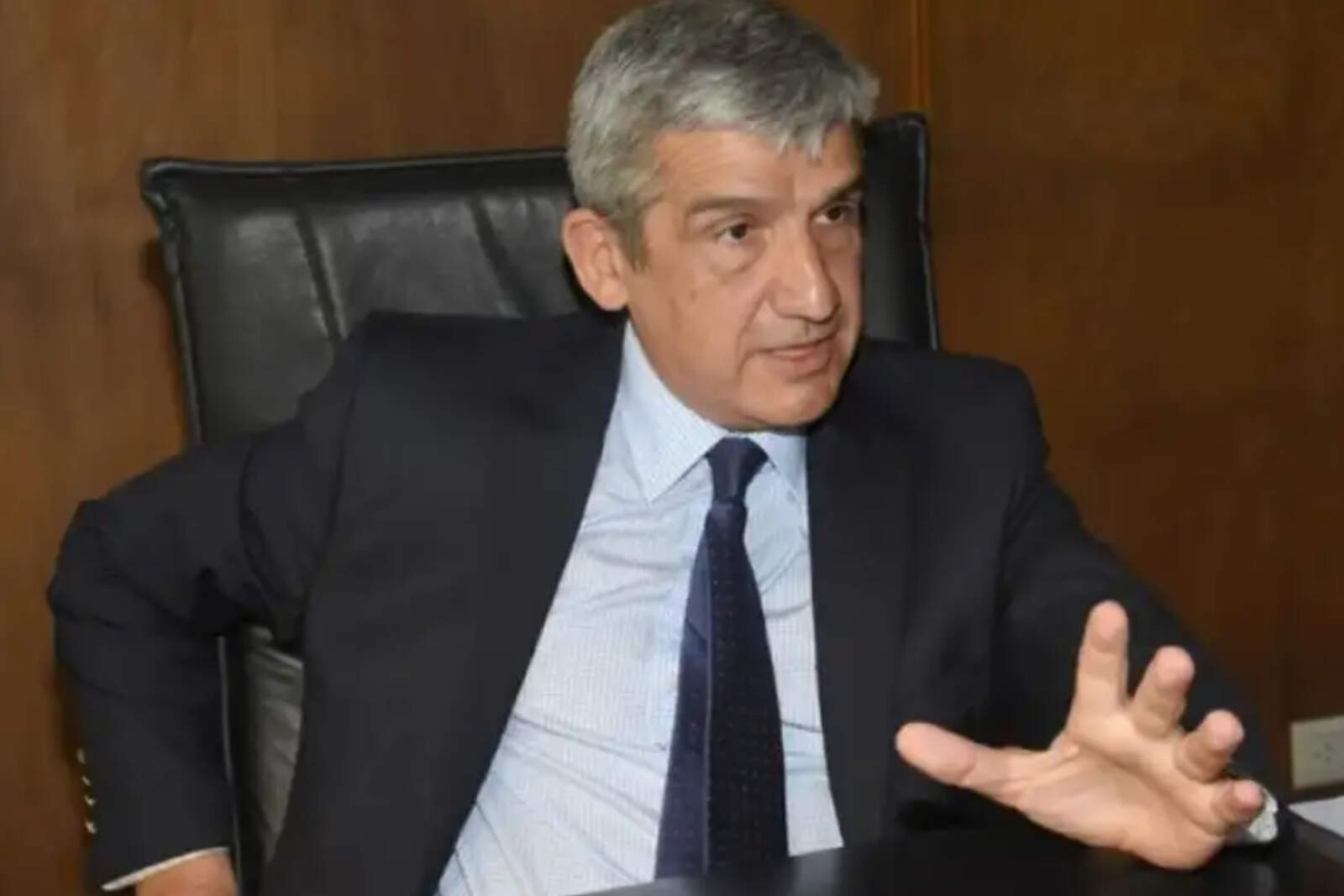
El juez federal de Río Cuarto, Carlos Ochoa, a cargo de la investigación
Hierarchies and roles within the criminal organization
The investigation identified Sergeants Walter Ramírez and Marcos Juárez as the alleged ringleaders in charge of negotiating payments with the truck drivers. As co-perpetrators of the crimes, Corporals Roque Choque, Cristian Calisaya, José Villarreal, Jorge Fredes Sánchez, Carlos Ferreyra, Franco Gaspar, and Kevin Domínguez were named. They were allegedly responsible for intercepting the trucks and exerting direct coercion on the drivers during routine checkpoints.
First Ensign Analía Galián and Gendarme Facundo Coronel, among others, face charges as necessary participants within the indicated hierarchical structure. Gendarme Leonel Castro, known by the alias "el Sanjuanino," allegedly served as the recipient of the transfers and cash. Each member had an assigned task to ensure that the money collected illegally would not be detected by the institution's internal controls.
The alleged crimes include illicit association, abuse of authority, coercion, and illegal exactions, as defined in the articles of the Criminal Code. The justice system is trying to determine whether the money requested in the name of the State was converted to personal gain, which would increase the prison sentences provided for. The court file describes a stable and habitual scheme that turned the security function into a mechanism for personal criminal collection.
Los efectivos apostados cerca de Sampacho exigían dinero en efectivo a los transportistas para permitirles continuar su camino
Penalties provided for and legal framework of the case
The crime of illicit association stipulated in article 210 provides for a prison range from 3 to 10 years of effective incarceration. On the other hand, illegal exactions entail special disqualifications of up to 5 years for officials who abuse their positions to collect bribes. If it is proven that the money was for personal benefit, the maximum sentence could rise to 6 years and absolute disqualification for life.
Abuse of authority and coercion add other charges that could increase the final calculation of the sentences if the uniformed officers are found guilty. Judge Ochoa emphasized that the plurality of criminal acts committed in the vicinity of Sampacho demonstrates criminal intent sustained over time. Civil society is awaiting an exemplary sentence that will punish the use of public force for extortionate purposes against the private transport sector.
The Federal Court of Appeals of Córdoba now has the responsibility of analyzing whether the evidence collected is sufficient to uphold the pretrial detentions ordered. The "green bribes" case puts the functioning of patrols on the national routes that cross southern Córdoba under scrutiny. It is expected that in the coming months the oral trial will begin to determine the final responsibility of each of the 13 indicted gendarmes.