The United States Secretary of the Treasury indicated that if the government shutdown caused by the Democrats continues, the economy will lose millions of dollars
Compartir:
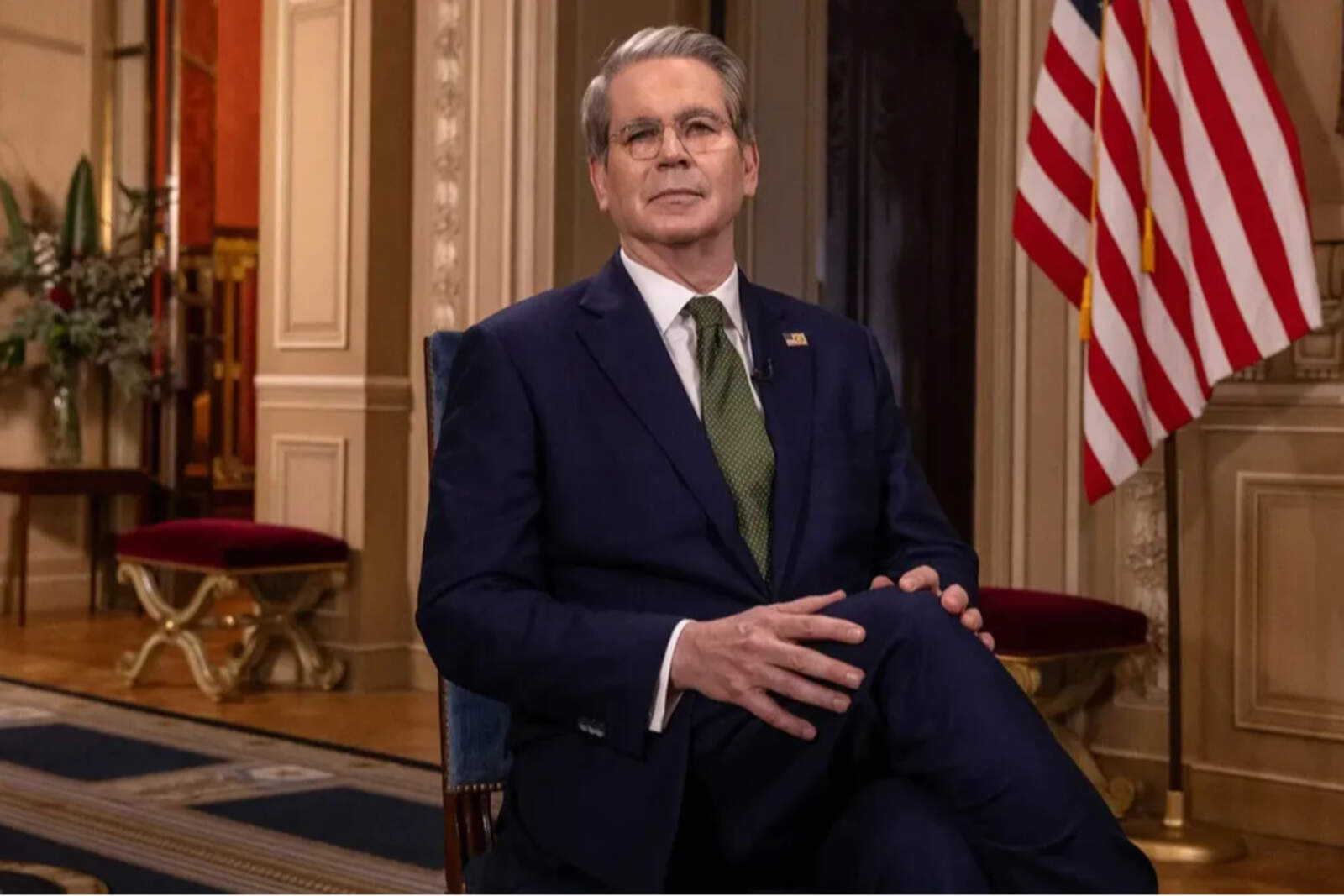
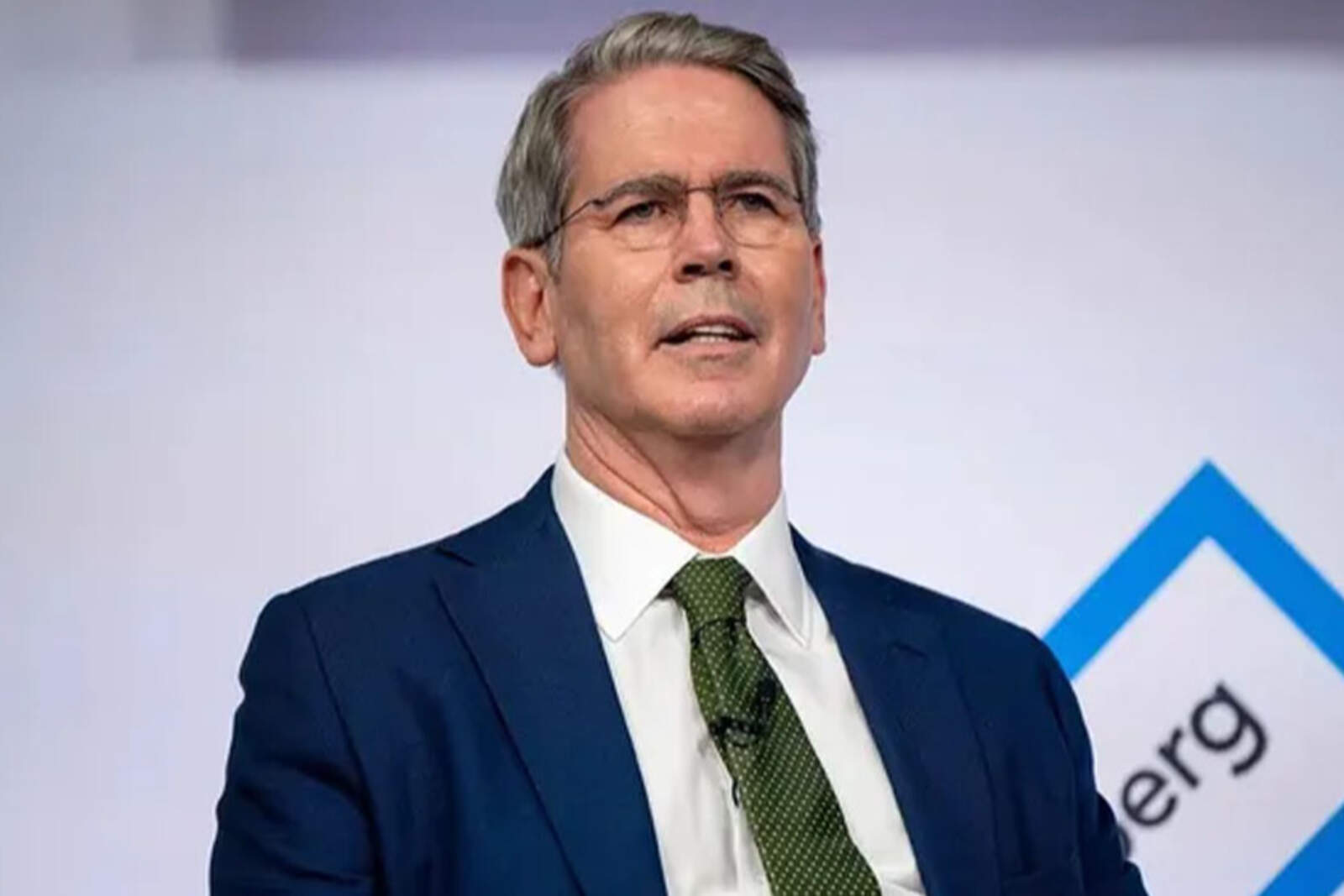
The United States Treasury Secretary, Scott Bessent, warned on Wednesday that the federal government shutdown, which is now entering its third week, could be costing the country's economy billions of dollars.
During a press conference, Bessent stated that the economic impact of the shutdown is "starting to cut into muscle" and indicated that the loss could reach up to USD 15 billion per week, a figure that was initially misinterpreted as daily, but was later clarified by the Treasury Department.
The shutdown began last Wednesday, October 1, at the start of the new fiscal year, because Congress and the White House failed to agree on a funding bill in time.
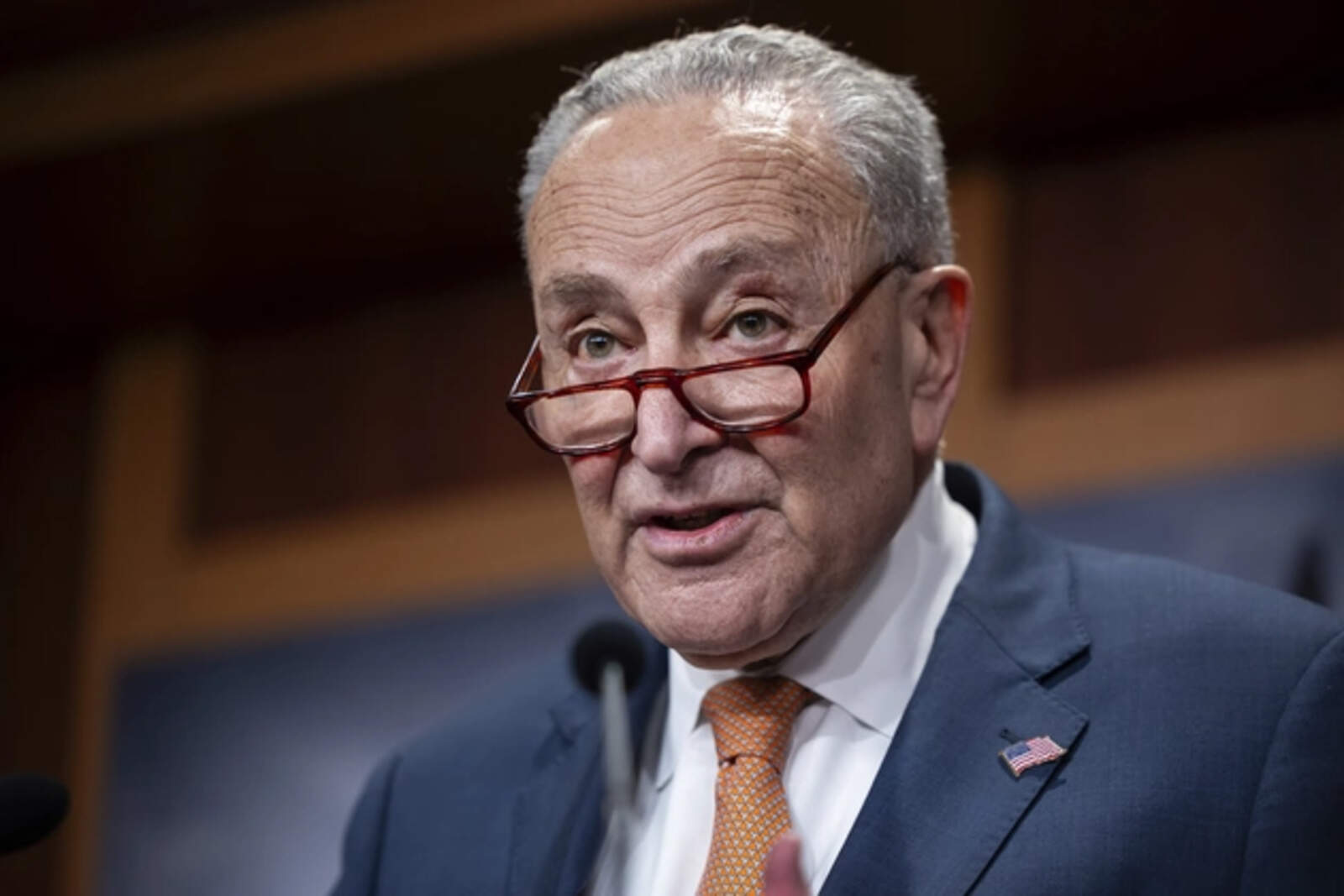
At the center of the legislative deadlock is the Senate Democrats' rejection of a temporary funding resolution proposed by Republicans, which has been blocked nine times.El secretario del Tesoro mencionó que las pérdidas podrían escalar hasta 15 millones de dólares por semana
Democrats are demanding the extension of health insurance subsidies under the Affordable Care Act (Obamacare), which will expire this year. These subsidies were originally introduced in the 2021 American Rescue Plan and extended through the end of 2025 by the Inflation Reduction Act.
Bessent called on moderate Senate Democrats to "be heroes" and break ranks with "the swarm of radicalism", supporting the Republican resolution to reopen the government.
According to him, the shutdown is having increasing effects on key sectors of the economy and is beginning to affect not only services considered "non-essential," but also critical areas of government operations.
Historically, government shutdowns in the United States have had a limited impact on the economy, especially if they are brief. However, the context and duration can amplify their effects.
Los demócratas buscan boicotear la aprobación del presupuesto en el CongresoAustan Goolsbee, president of the Federal Reserve Bank of Chicago, explained at a recent forum that the economic impact varies depending on the duration and scope of the shutdown. "If it is not very extensive and doesn't last long, historically it doesn't significantly affect the aggregate economy," he said. However, he warned that if this situation is prolonged, the analysis would have to be revised.
An analysis by Goldman Sachs indicates that, in general, government shutdowns have been short. The longest occurred in 2018 and lasted 35 days, affecting only 15% of the federal government. According to the firm, each week of shutdown could reduce quarterly economic growth by 0.15 percentage points of GDP in the fourth quarter, although this effect is usually reversed in the following first quarter, once employees receive retroactive pay.
Goldman also noted that the shutdown could temporarily raise the unemployment rate, since furloughed federal workers are counted as unemployed due to temporary layoff, although this effect is generally limited.
A previous analysis by the Office of Management and Budget (OMB) on the 2014 shutdown identified multiple areas of economic disruption: delays in permits and licenses (especially in the energy sector), suspension of IRS income verification used by financial institutions to assess credit, disruptions in small business loans, and the closure of national parks that affected tourism and travel.
Bessent llamó a los demócratas moderados a romper con los extremistas dentro de su partido