The decline was verified in almost the entire country, with the exception of five states
Compartir:
Overdose deaths in the United States recorded a decrease during most of 2025, marking a significant shift in a health crisis that had deepened steadily for decades.
The available data indicate that the decline continued throughout much of last year, which suggests a more lasting improvement in an epidemic that, until recently, showed a persistently upward trend.
The overdose problem began to intensify in the 1990s, when there was a steady increase in deaths associated with the use of opioid painkillers. That phenomenon was followed, at different stages, by waves linked to the use of heroin and, more recently, to fentanyl, a substance that went on to occupy a central place in drug mortality statistics in the United States.
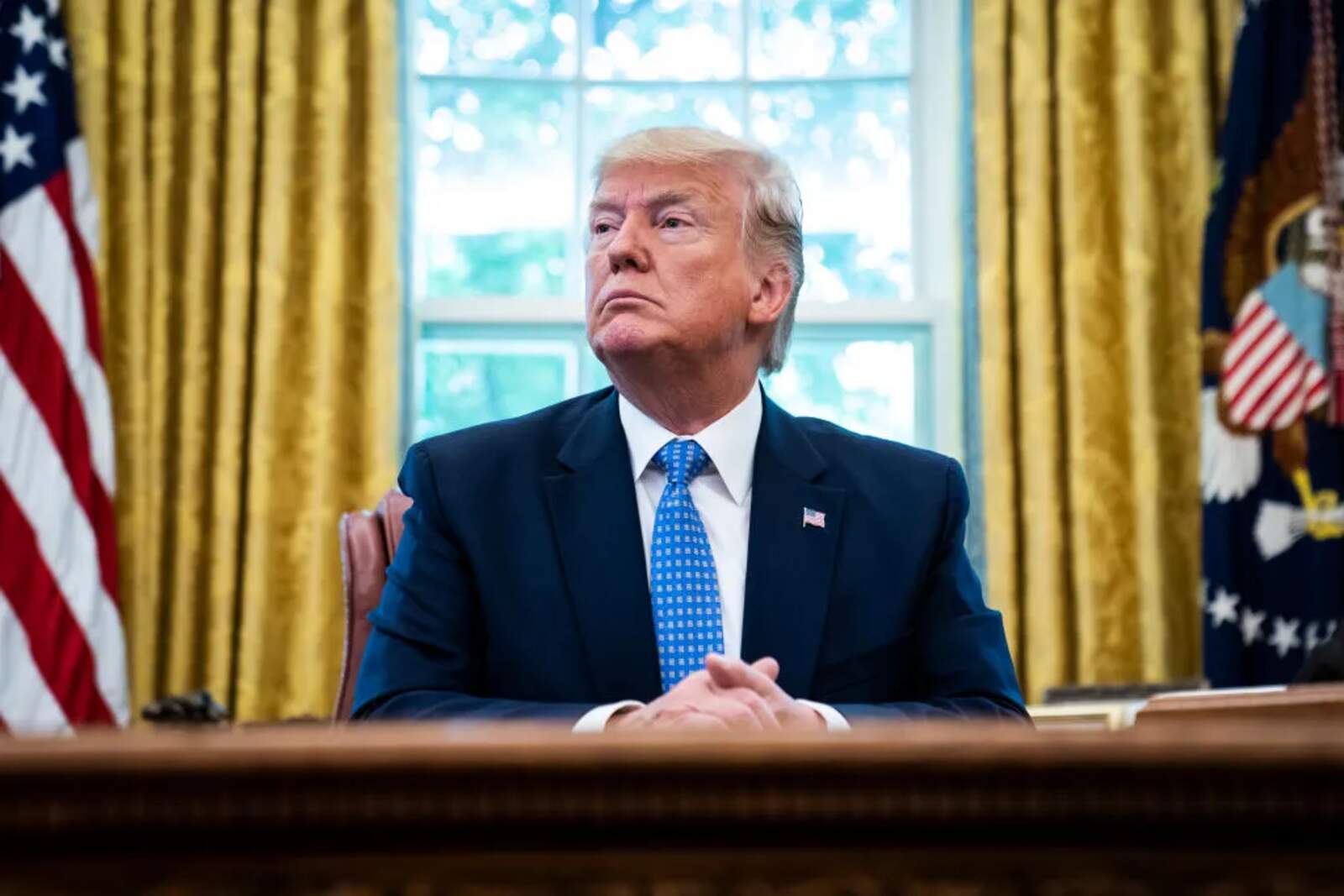
Donald Trump, presidente de Estados Unidos.
According to official estimates, about 73,000 people died from overdoses in the 12-month period that ended in August 2025. That figure represents a 21% reduction compared with the approximately 92,000 deaths recorded in the previous 12-month period.
Officials from the Centers for Disease Control and Prevention (CDC) indicated that the drop was observed in almost the entire country, with the exception of five states: Arizona, Hawaii, Kansas, New Mexico, and North Dakota.
Trump and the fight against drugs
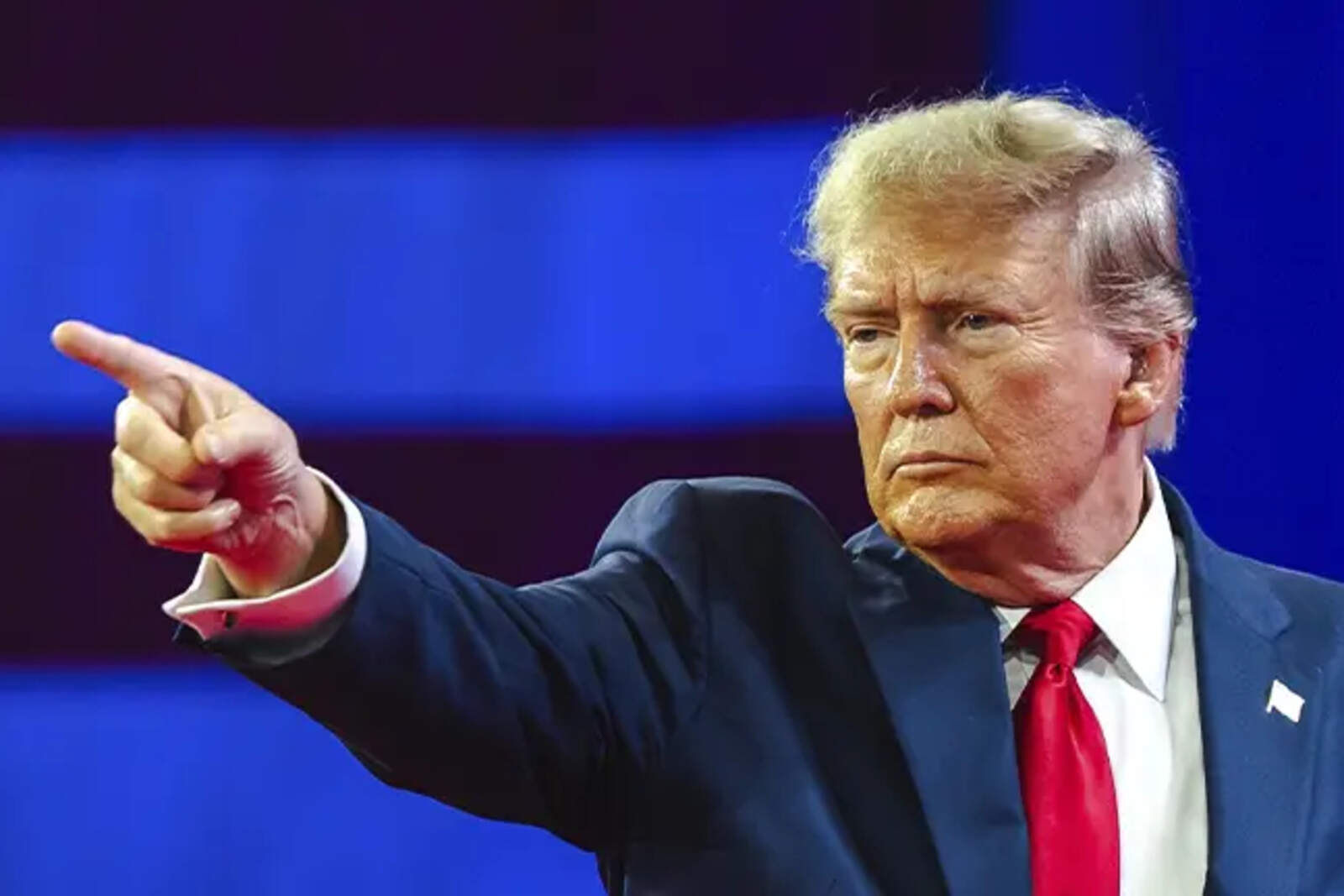
This decline in deaths is occurring in a context of a toughening of United States policy against drug trafficking. The strategy promoted by the administration of Donald Trump relies on the use of military power and extreme diplomatic pressure on countries considered key in drug trafficking routes.
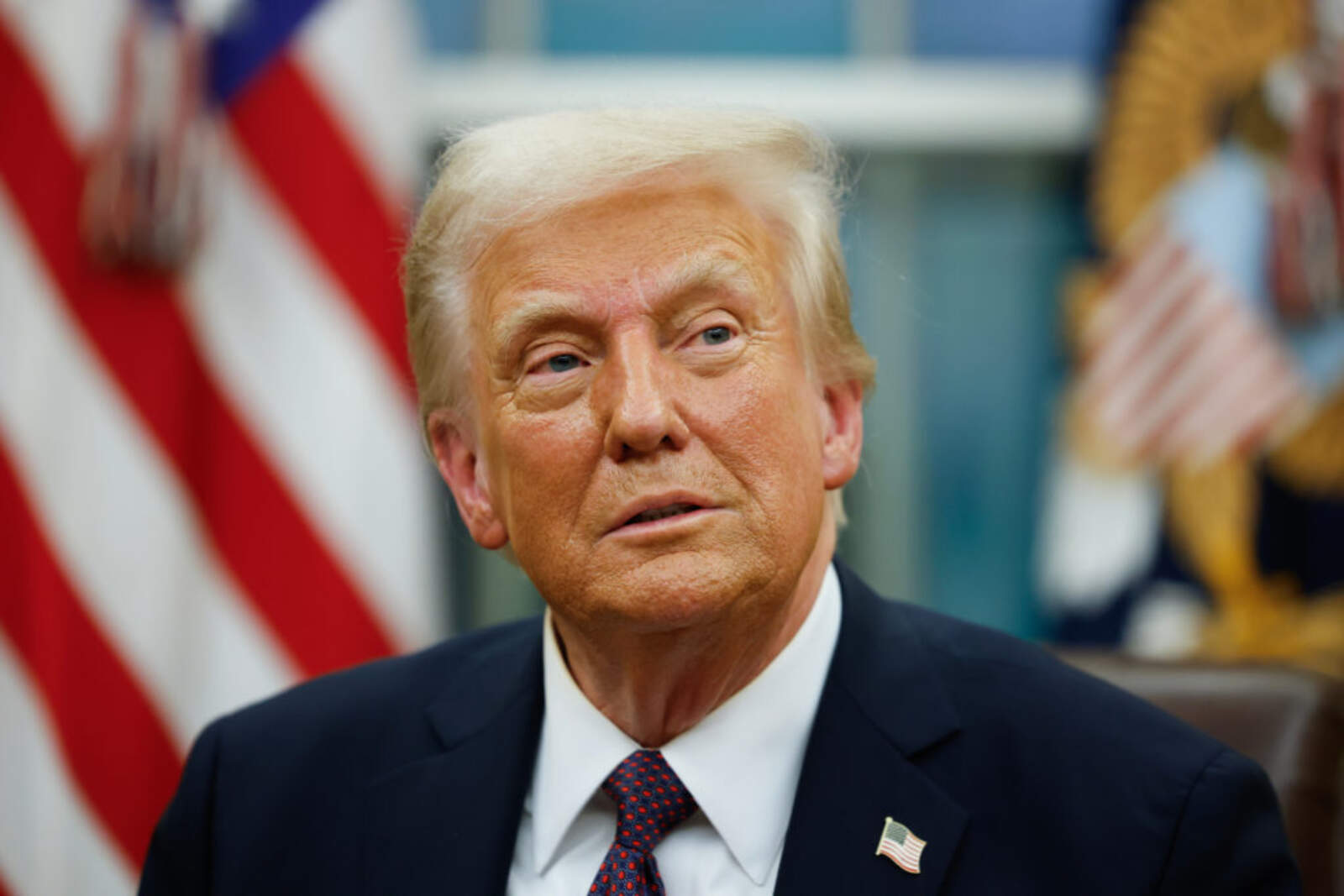
Donald Trump, presidente de Estados Unidos.
In January 2026, Trump himself announced that his administration was preparing ground operations against the cartels in Mexico, arguing that these groups "control" much of the country.
As part of this line of action, in December 2025 the president signed a decree that classifies illicit fentanyl as a weapon of mass destruction. This decision aims to enable the mobilization of high-level national security resources to confront the trafficking and the distribution of this drug.
In parallel, the United States government began to use trade policy as an instrument of pressure, with threats to impose tariffs on countries such as Mexico, Canada, and China if the flow of chemical precursors and narcotics into the United States is not stopped.
In recent months, the United States military deployment has intensified in the Caribbean region. Warships, fighter jets, drones, an aircraft carrier, and thousands of Marines were sent to the area as part of an operation called "Lance of the South". This initiative is led by the Department of War and Southern Command (Southcom) and aims to combat narcoterrorist groups in the Western Hemisphere.
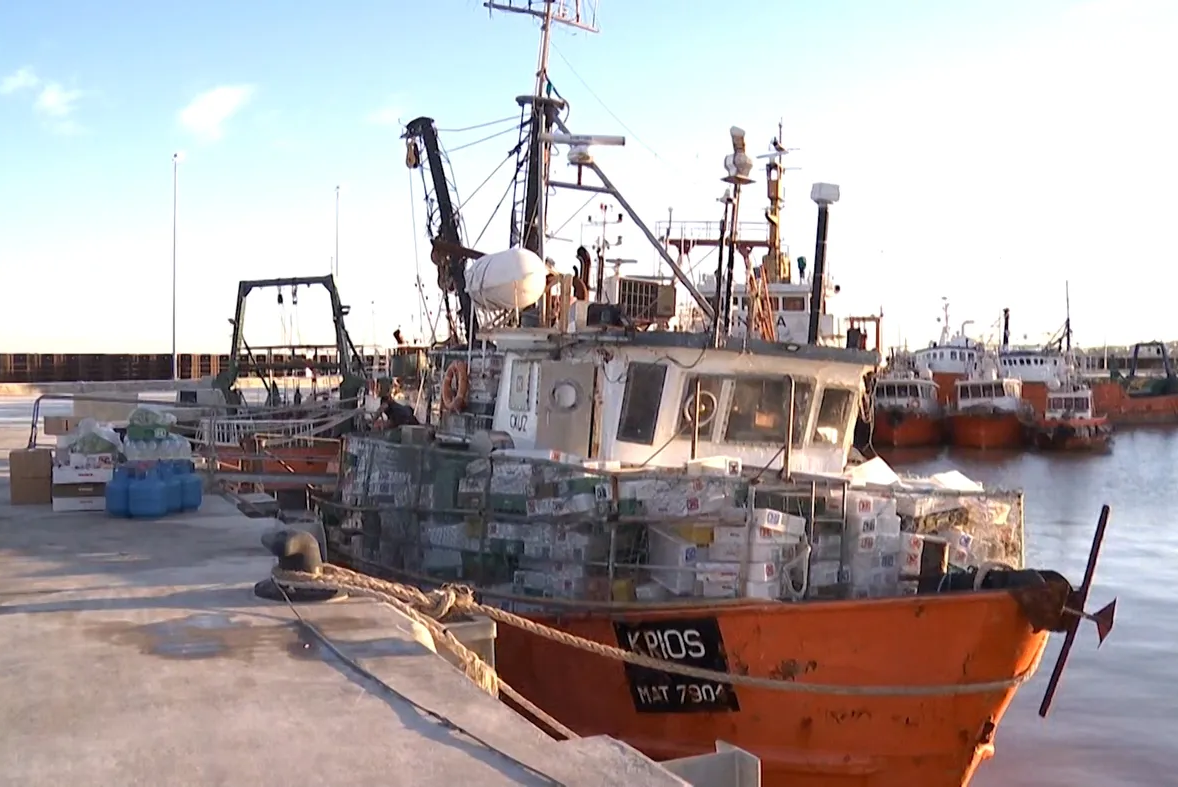
Within that framework, multiple airstrikes were carried out against boats linked to drug trafficking both in the Caribbean and in the Pacific Ocean. The actions are part of a broader regional offensive that accompanies the toughening of anti-drug policy and that is unfolding in parallel with the decline recorded in overdose deaths within United States territory.