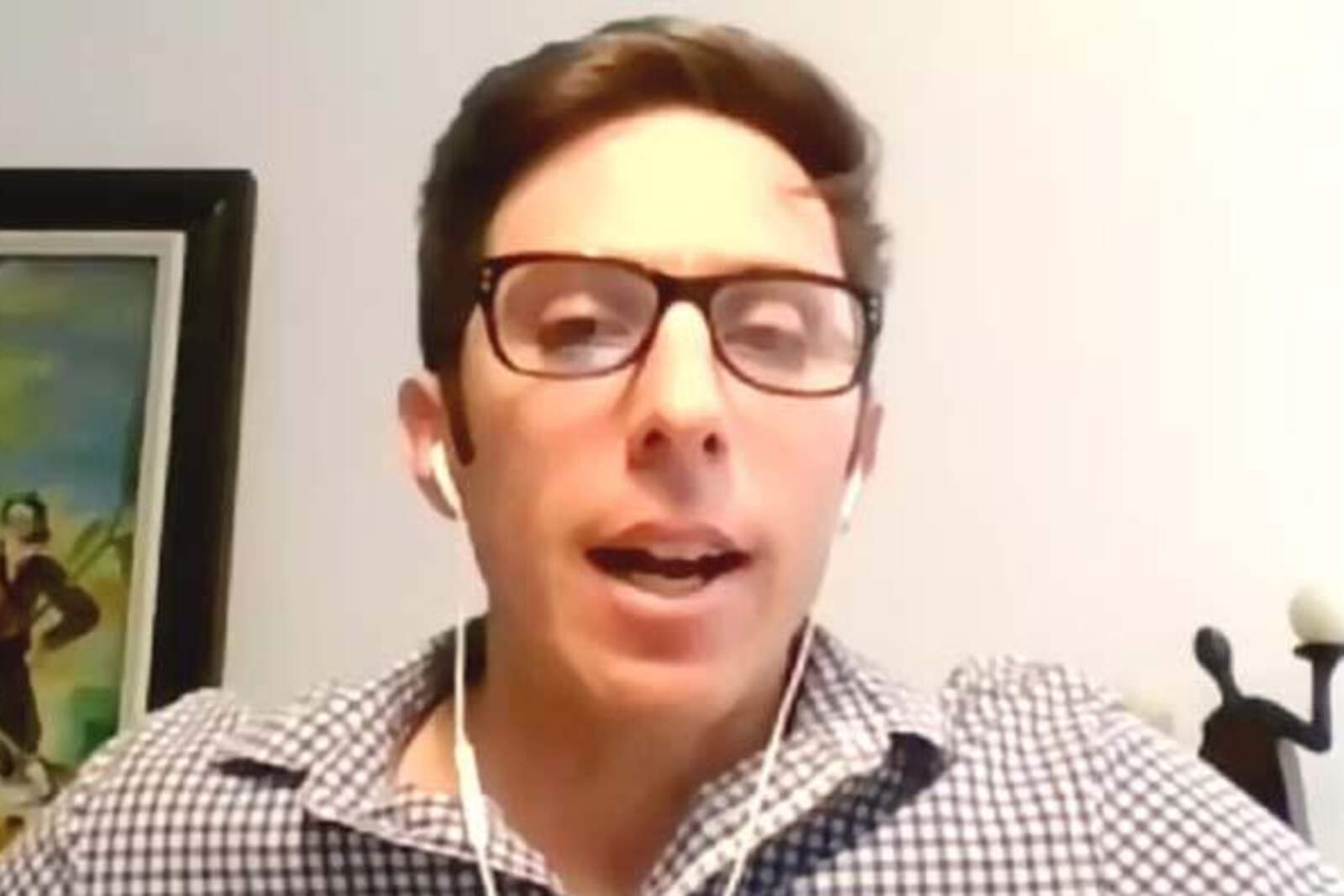

The economic crisis affecting Bolivia for more than two years continues to generate uncertainty. Mauricio Ríos, an economic analyst, has pointed out that the country is on the brink of economic collapse due to the lack of dollars. Low liquidity and growing external debt have complicated the situation.
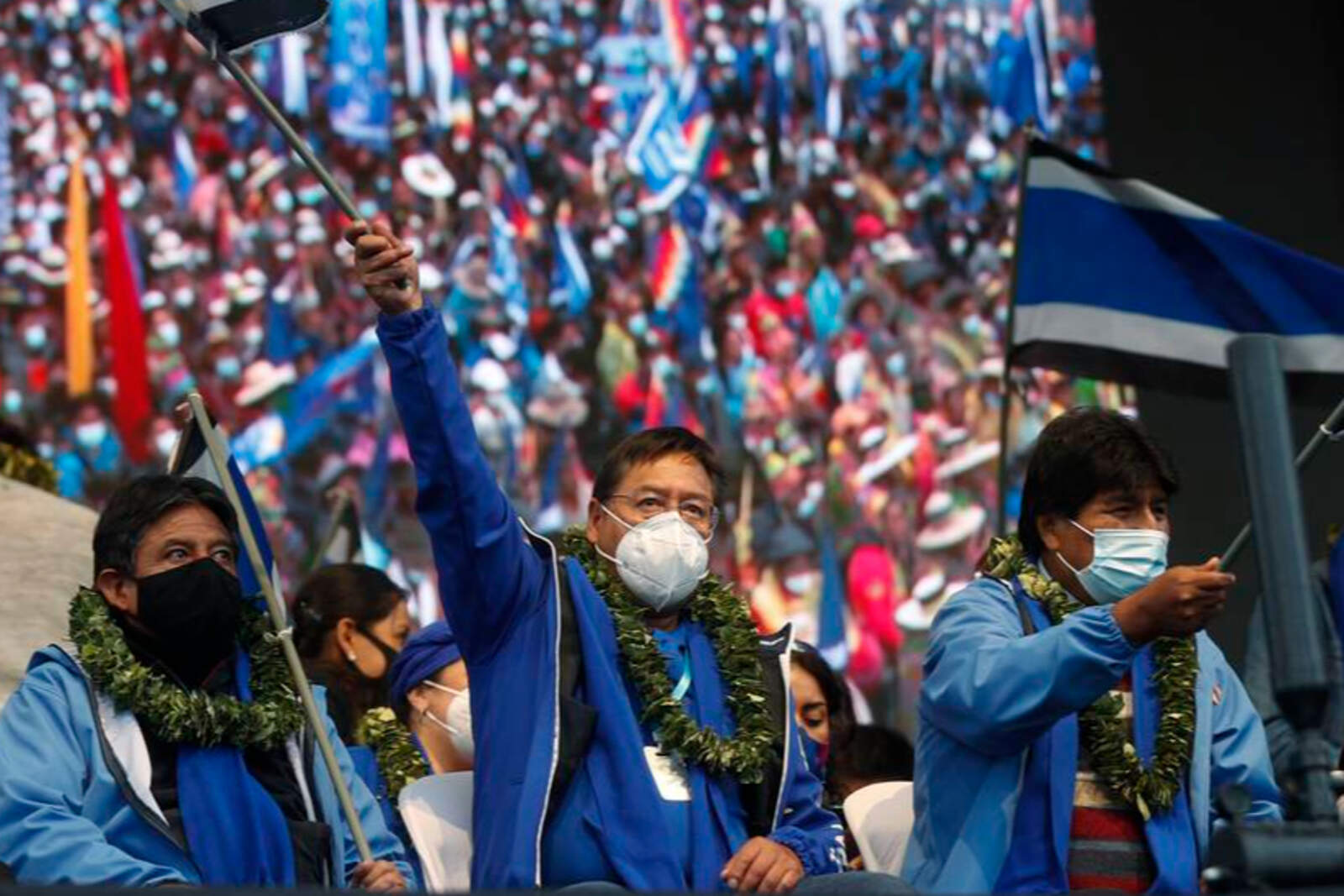
According to Ríos, to overcome this crisis, deep reforms must be implemented. These involve dismantling the current model of the Plurinational State established by MAS. Luis Arce's government has tried to downplay the crisis, but structural problems persist.
The analyst explained that uncontrolled money issuance and high public spending have increased inflation and the fiscal deficit. In the last year, Bolivia has significantly increased its public debt. International reserves have fallen to critical levels.
This has caused key sectors of the economy, such as the importation of products and fuels, to be severely affected. One of the biggest problems, according to economists, is the lack of dollars to meet the needs of the domestic market.
The shortage of this foreign currency has forced MAS to resort to unconventional methods, such as the purchase of dollars and cryptocurrencies by Yacimientos Petrolíferos Fiscales Bolivianos (YPFB). This hasn't been enough to stabilize the fuel supply, generating long lines at service stations and social discontent.
Is the regime trying to hide the disaster?
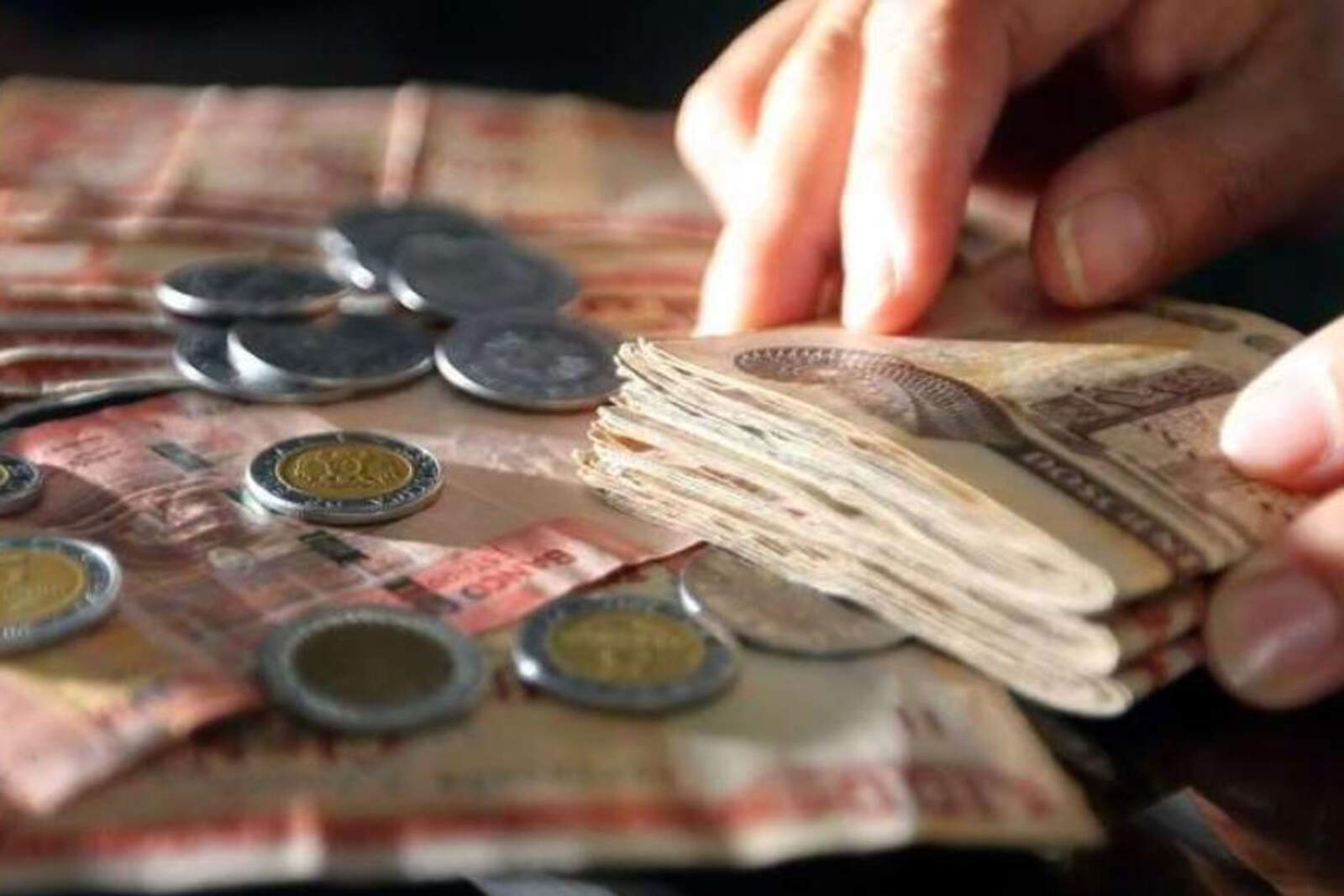
Despite warnings from experts like Ríos, Arce's government has refused to make substantial fiscal adjustments. MAS insists there is no debt crisis. But the downgrade of the country's risk rating by Fitch Ratings and Standard & Poor's is a clear sign of economic vulnerability.
Ríos argues that the solution lies in liberalizing the economy, reducing public spending, and eliminating hydrocarbon subsidies. In his view, the Plurinational State model has caused excessive bureaucracy that has prevented efficient resource management. This structure has fostered excessive public spending and debt that harms the country in international markets.
The situation has been further complicated by the increase in the fiscal deficit, which has reached 9.1% of the Gross Domestic Product (GDP) in 2024. Economic growth projections have also been reduced, and the country could face stagflation if reforms aren't implemented. The drop in exports, especially gas, has worsened the situation.