Not even two decades have passed since former communist minister Daniel Olesker pushed for the largest state intervention in the health system in recent times: the creation of the National Health Fund (FONASA).
Since then, several mutual societies have faced severe financial problems, and some have even closed their doors, highlighting the weaknesses of a model that, far from strengthening healthcare, seems to have condemned it to perpetual crisis.
A recent example is the case of Casa de Galicia, which in 2021 became the latest institution to close its doors following a controversial government intervention.
This intervention culminated in the transfer of its assets to CASMU in an auction that raised suspicions about its transparency and purpose.
However, CASMU, the beneficiary of this process, is not free from difficulties: for years it has been dragging a delicate financial situation. Curiously, during the last electoral campaign, it was revealed through a post-election letter that several of its leaders and doctors supported the candidacy of Yamandú Orsi, suggesting a possible alignment between political and business interests in the sector.
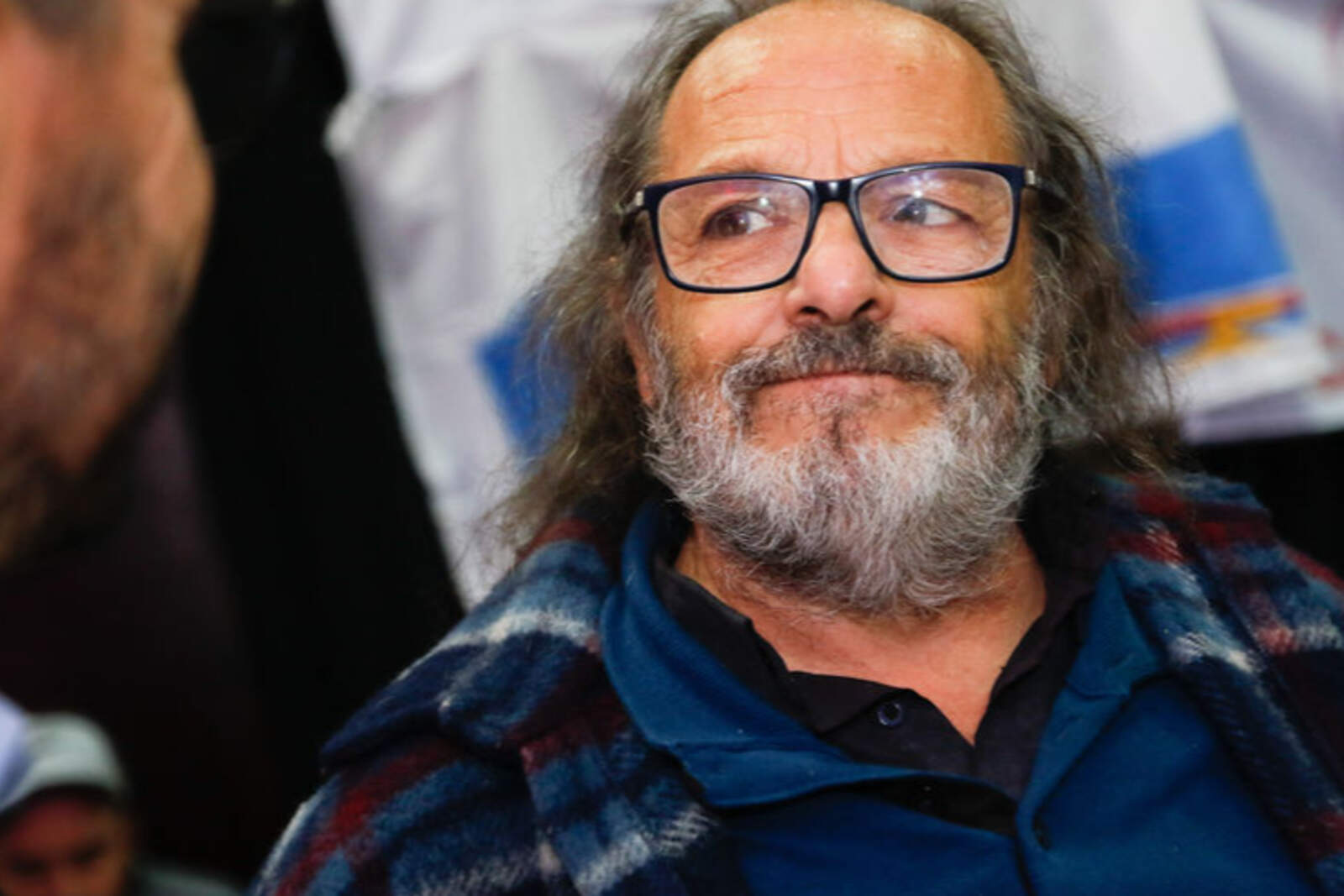
Comunista Daniel Olesker
In that same electoral context, the current president, Luis Lacalle Pou, promised what in English jargon is called a bailout: the rescue of a bankrupt private business with public funds.
This practice, common in systems where the state acts as a lifeline for inefficient companies, had its most recent chapter just two days ago, when Parliament—with the favorable vote of all parties except Gustavo Salle's Identidad Soberana—approved a multimillion-dollar subsidy of 23 million dollars to support CASMU.
Far from promoting structural changes, this measure perpetuates a status quo that benefits a political and business elite at the expense of taxpayers.
This is where the phenomenon of crony capitalists comes into play, those who, instead of competing in a free market, thrive thanks to their closeness to political power. These actors, friends or allies of the ruling class, obtain privileges such as state contracts, tax exemptions, or, as in this case, direct financial bailouts.
The cost of these operations invariably falls on the truly productive sectors of society: workers, small businesses, and ordinary citizens, who, through taxes and deficient healthcare, foot the bill for a system that prioritizes the survival of failing institutions over the quality of service.
Meanwhile, waiting times for medical consultations lengthen, services deteriorate, and users remain trapped in a vicious cycle of bureaucracy and inefficiency.
The solution to this crisis doesn't lie in more interventionism or injections of public money that only postpone the collapse.
On the contrary, it is imperative to free the health sector to operate under a genuine market logic. The mutual societies, originally born as mutual aid associations, should recover that foundational spirit and compete in an environment where innovation, efficiency, and user satisfaction are the drivers of progress.
An increase in competition would generate a virtuous spiral: improvement in service quality, reduction in operating costs, and ultimately, more affordable prices for citizens.
Only then can the yoke that today subjects Uruguayans to mediocre healthcare be broken.