The government of the United States recently announced a historic change in nutritional policy, bringing healthy eating back to Americans
Nuevo
Agregar La Derecha Diario en
Compartir:
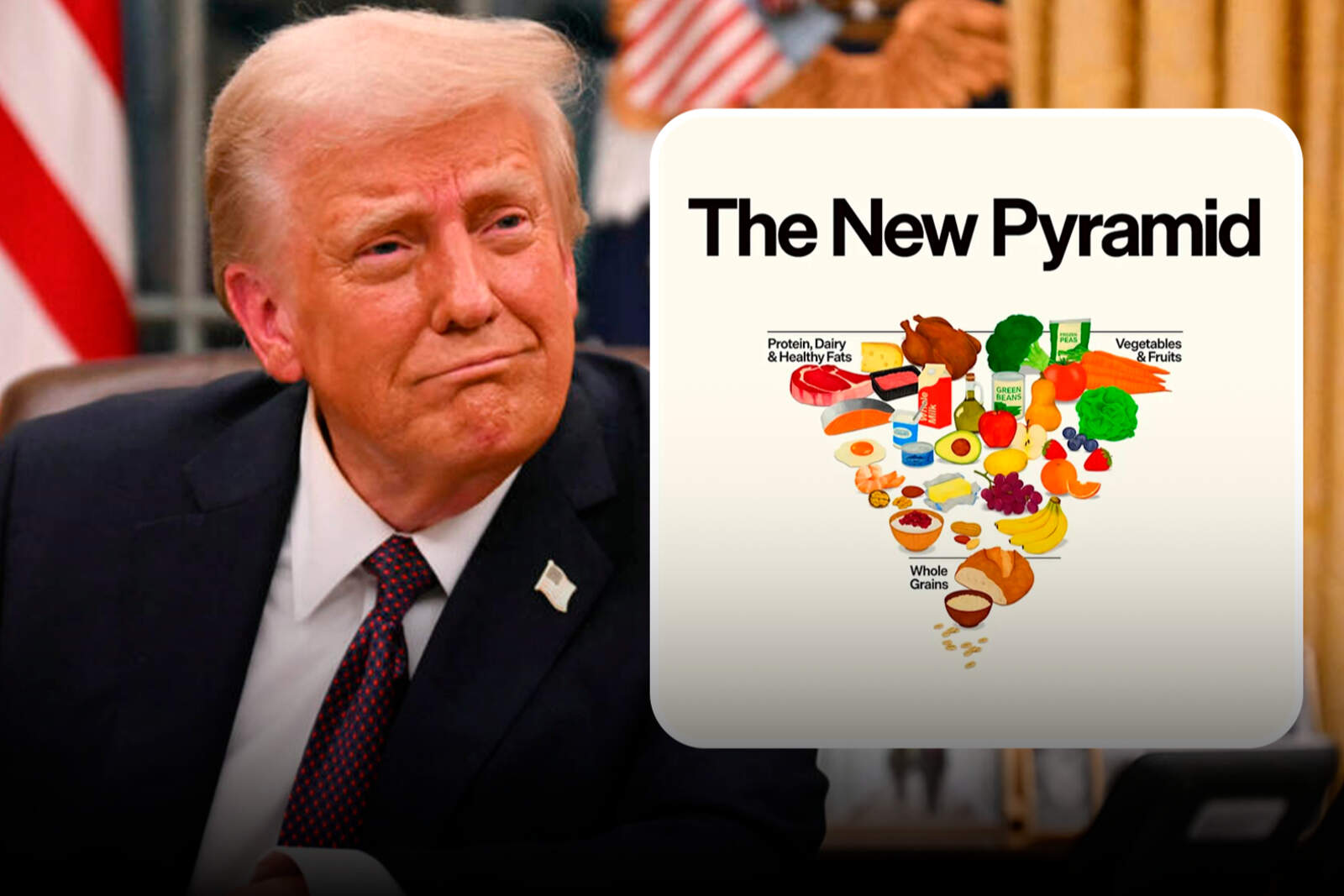
The federal government of the United States has announced a historic shift in its nutritional policy with the publication of the 2025–2030 Dietary Guidelines, which officially dismantle the 1992 food pyramid and reverse decades of recommendations that, as the official reports themselves now acknowledge, coincided with an unprecedented deterioration of American public health.
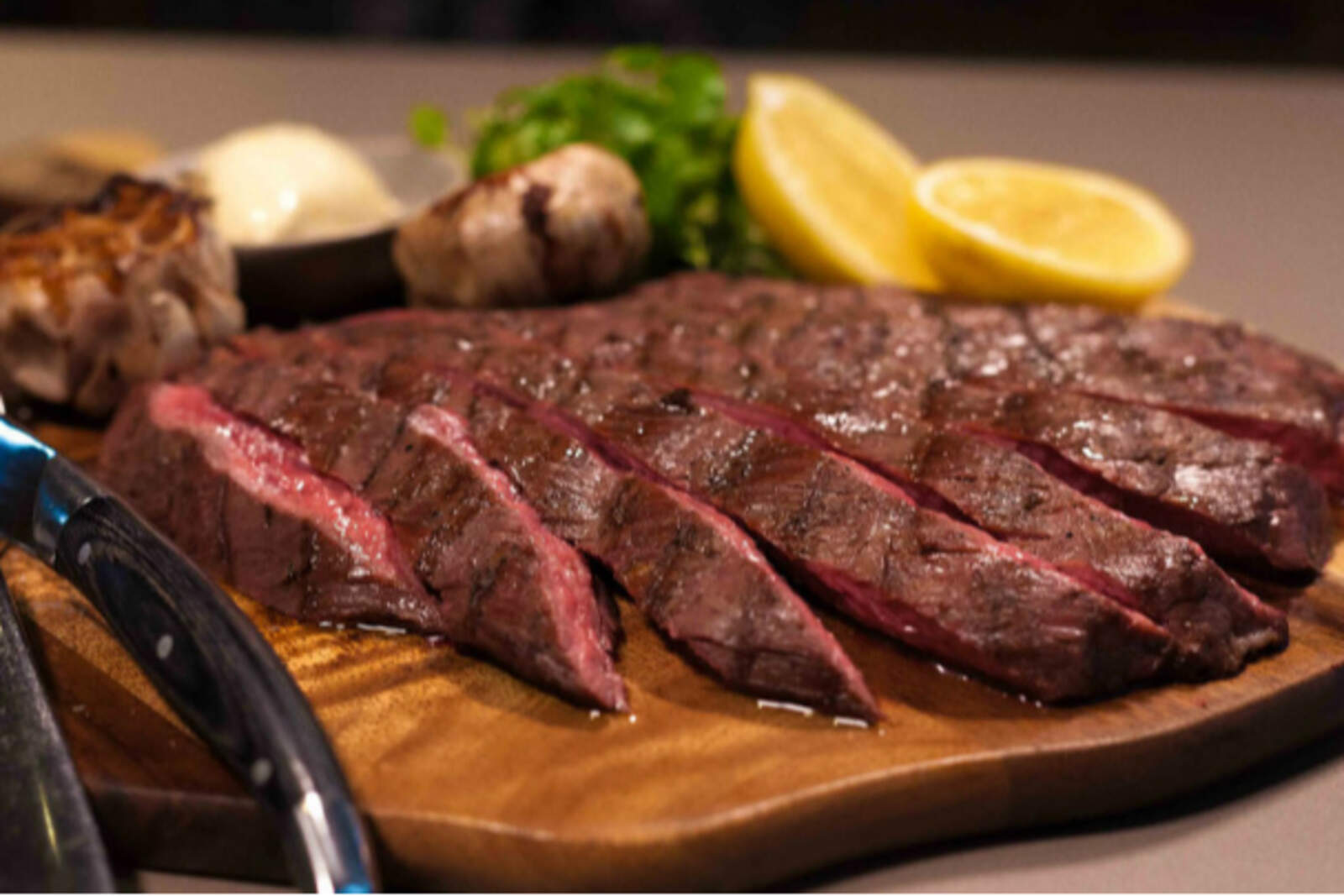
The decision, driven under Donald Trump's administration, represents a radical change: red meat is once again considered an essential nutritious food, natural fats such as lard are no longer demonized, refined grains are now discouragedand ultra-processed foods are explicitly identified as harmful. For many experts who are critical of the previous model, this is a long-awaited correction.
Since the food pyramid was introduced by the Department of Agriculture (USDA) in 1992, health indicators have worsened alarmingly.
In that period, obesity in the United States has more than doubled, diabetes has tripled, and today more than 70% of adults are overweight or obese. Only 12% of the adult population is considered metabolically healthy.
La administración Trump modificó las directrices nutricionales y sepultó a la pirámide de 1992
The new report acknowledges that the previous model did not reflect an optimal human diet. On the contrary, it promoted an eating pattern with no historical precedent, based on large amounts of refined grains, industrial vegetable oils, and highly processed products. Currently, these foods account for nearly two-thirds of the calories consumed by Americans.
The roots of the mistake go back to the 1950s, when President Dwight Eisenhower's heart attack triggered a national panic over heart disease. In that context, physiologist Ancel Keys led a campaign to blame saturated fats, based on studies that, over time, were harshly questioned for selecting data favorable to his hypothesis and ignoring contradictory evidence.
Subsequent research, including large randomized clinical trials, showed that replacing animal fats with vegetable oils did not reduce cardiovascular risk and, in some cases, was associated with higher mortality. However, these results were concealed or downplayed for years, while the anti-fat narrative became entrenched in public policy.
La carne retomó su rol protagónico en la alimentación de los estadounidenses
This scientific bias was compounded by political and economic factors. In the 1970s, the United States faced large grain surpluses resulting from previous agricultural policies.
The dietary guidelines became a tool to channel that surplus into the national diet. Initial recommendations for moderate grain consumption were expanded due to bureaucratic pressure, until they became the foundation of eating patterns.
The food industry also played a key role. Processed food companies and vegetable oil producers funded research, took part in advisory committees, and promoted "low-fat" products that, in practice, replaced fat with sugar and additives. The result was an explosion of ultra-processed products marketed as healthy.
Numerosas empresas alimenticias financiaron investigaciones que no alcanzaban resultados confiables
The 2025–2030 Dietary Guidelines break with that legacy. The document warns that the consumption of industrial oils is now several times higher than in preindustrial diets and that 87% of the grains consumed are refined, metabolically comparable to sugar. The new approach prioritizes real foods, minimally processed, and recognizes the nutritional value of natural fats and animal proteins.
For the Trump administration, this change represents more than a technical update: it is a correction of a historical mistake that affected entire generations. "For decades, advice was given that was not aligned with human biology or with the full body of evidence," sources close to the process state.
The definitive abandonment of the 1992 pyramid marks a turning point in American public health policy. For the first time in more than 30 years, the official recommendations return to principles that coincide with human evolution and with traditional eating patterns.
Red meat, lard, and whole foods cease to be official enemies of the American plate. The central message is clear: eat real foods and avoid excessive industrial processing. A simple piece of advice that now once again has the backing of the federal government.
La manteca y otras grasas no procesadas han recuperado su lugar en la mesa de los estadounidenses