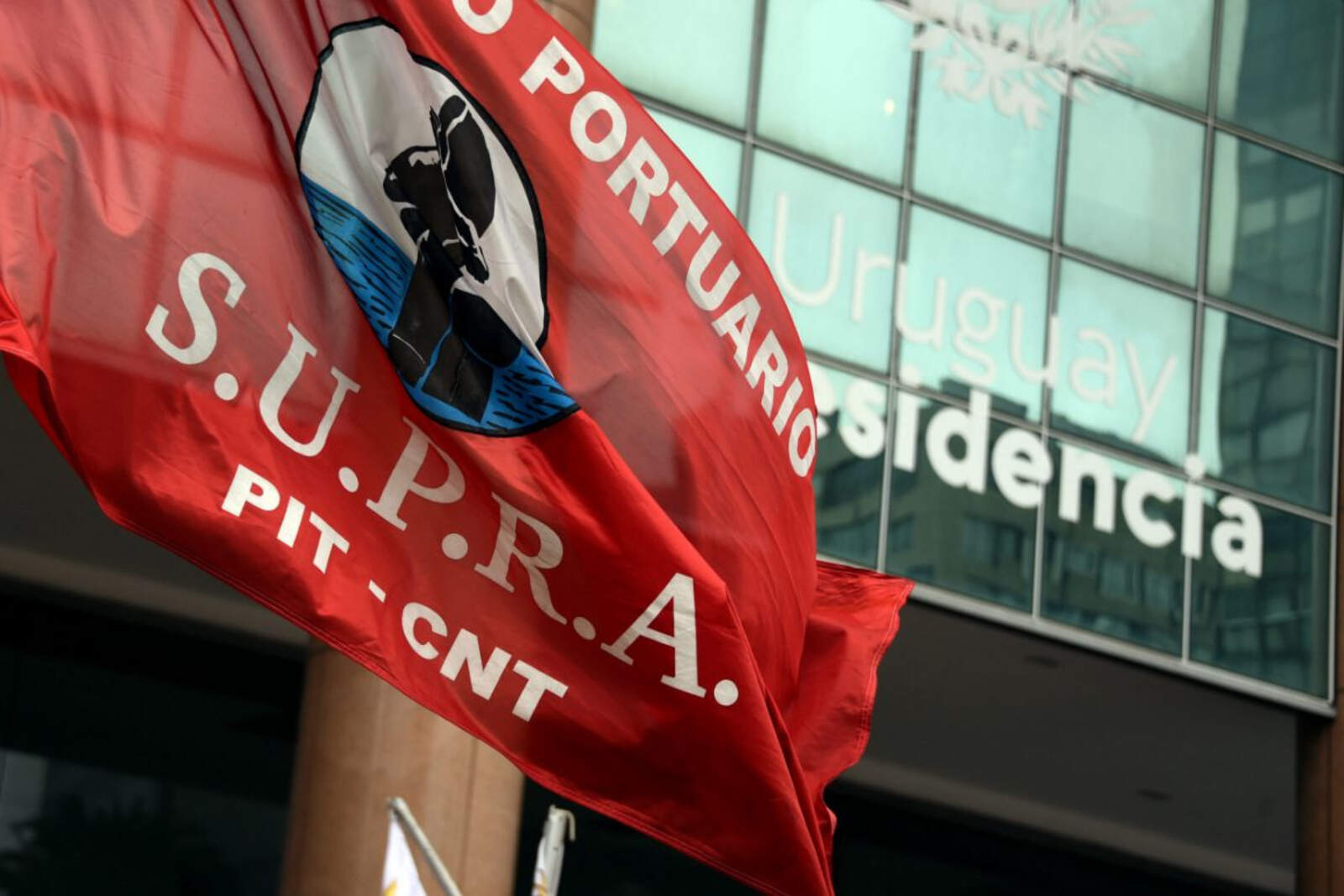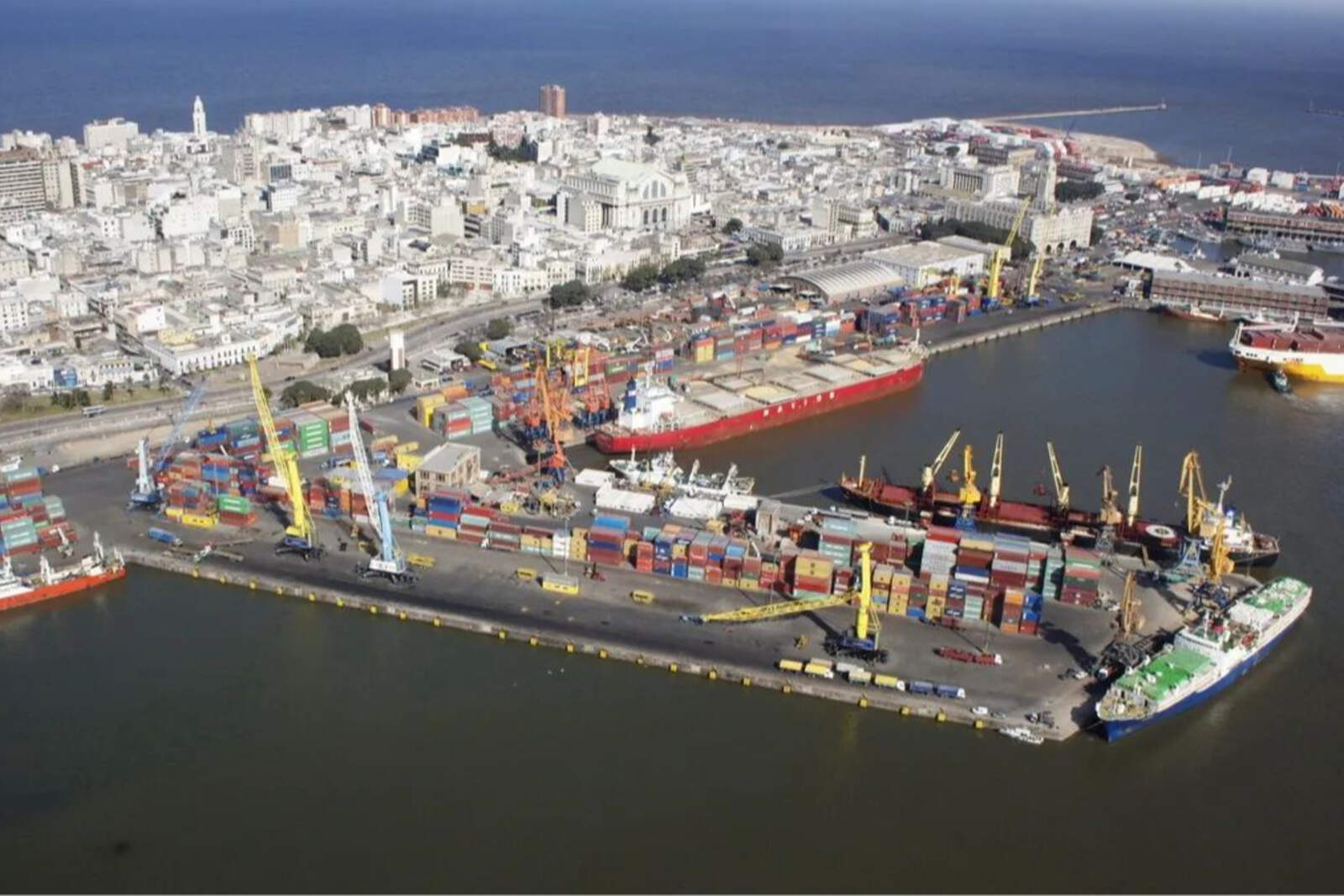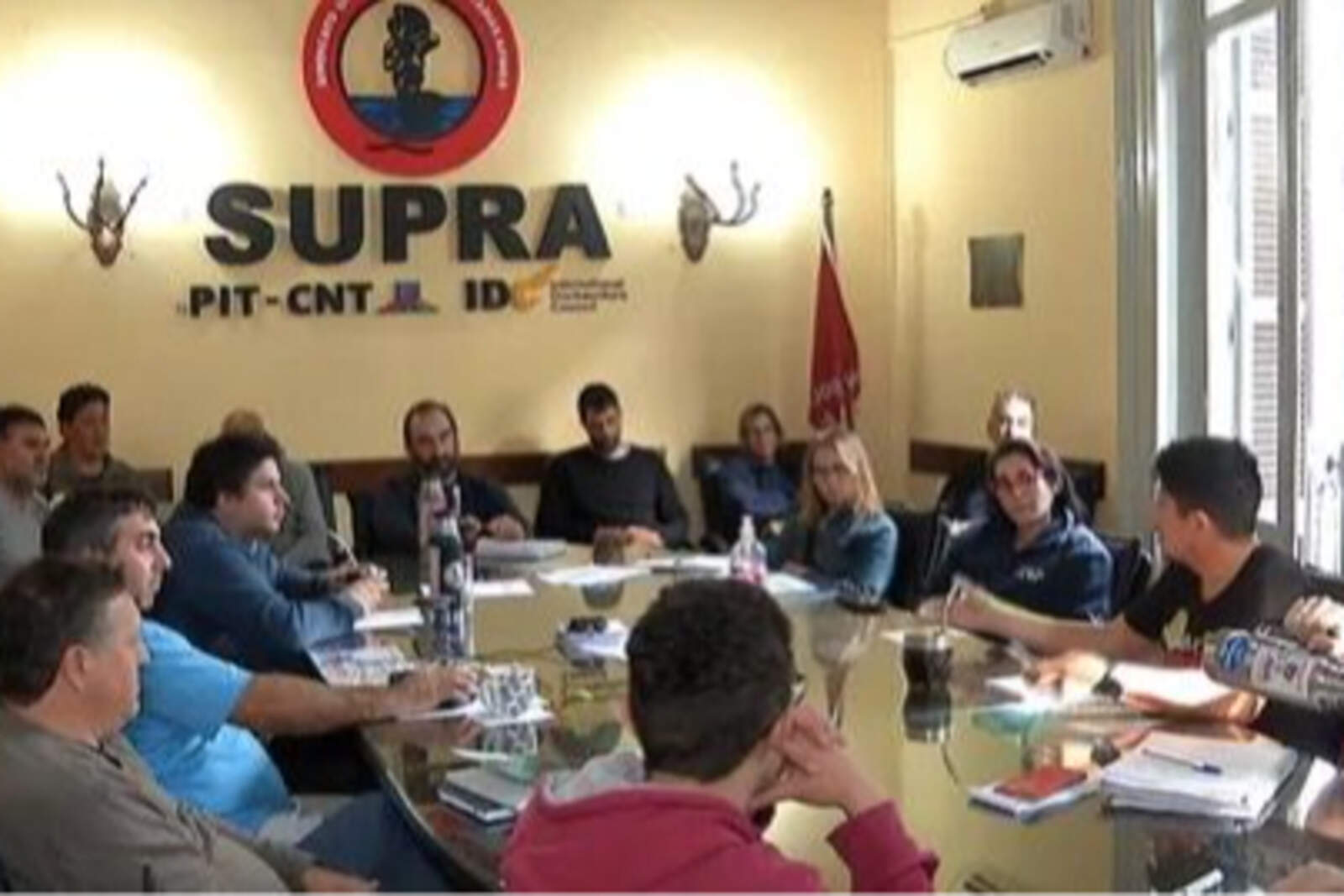

For seven consecutive days, the Port of Montevideo—Uruguay's main artery for foreign trade—was completely paralyzed by a decision of the Sindicato Único Portuario y Ramas Afines (SUPRA).
The reason was not a wage demand or inhumane working conditions, but rather a categorical rejection of the implementation of the Navis N4 system, a port management software that already operates in more than three hundred terminals worldwide and that, far from eliminating jobs, allows for the optimization of operations and increases the country's competitiveness.
The union's response was immediate and devastating: total strike, violation of labor peace clauses, and an escalation that ignored even the mediation of the Ministry of Labor. The result was an unprecedented operational collapse at Terminal Cuenca del Plata (TCP), which handles more than 90% of the country's container flow.
You may also be interested in...
Nine deep-draft vessels—the Maersk San Marco, the Brooklyn Bridge, the Sunny Phoenix, the MSC Adele, the Maersk Laguna, the ZIM Baltimore, the MSC Aino, the CAP San Tainaro, and the Seaspan Empire—were diverted to other ports in the region. Each one represented not only thousands of containers, but also entire chains of production, export, and employment.
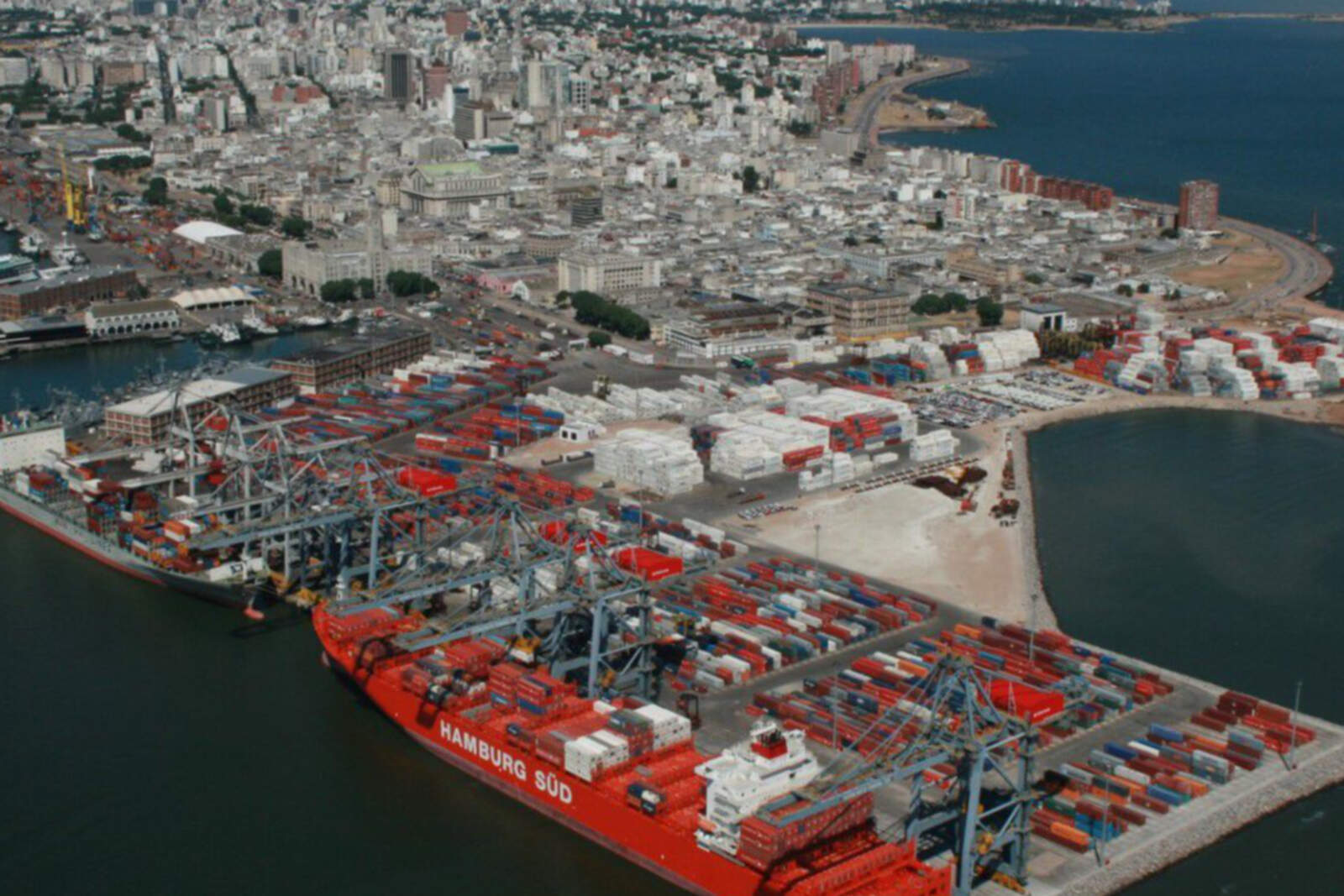
In total, eleven thousand container moves were lost, which is equivalent to paralyzing 70% of the commercial operations of Uruguay's main port.
Economic losses exceed seventy million dollars. According to the Unión de Exportadores del Uruguay, foreign trade suffered a direct impact of sixty million: soybeans, meat, dairy products, and manufactured goods that could not be shipped, supplies that did not reach factories, and international contracts broken due to noncompliance.
To this must be added ten and a half million dollars evaporated in logistics services, one million in lost revenue for the National Port Administration from fees and tariffs, eight thousand two hundred fifty workdays that the workers themselves stopped receiving, and six thousand one hundred truck shipments that never materialized, leaving transporters on the brink of bankruptcy.