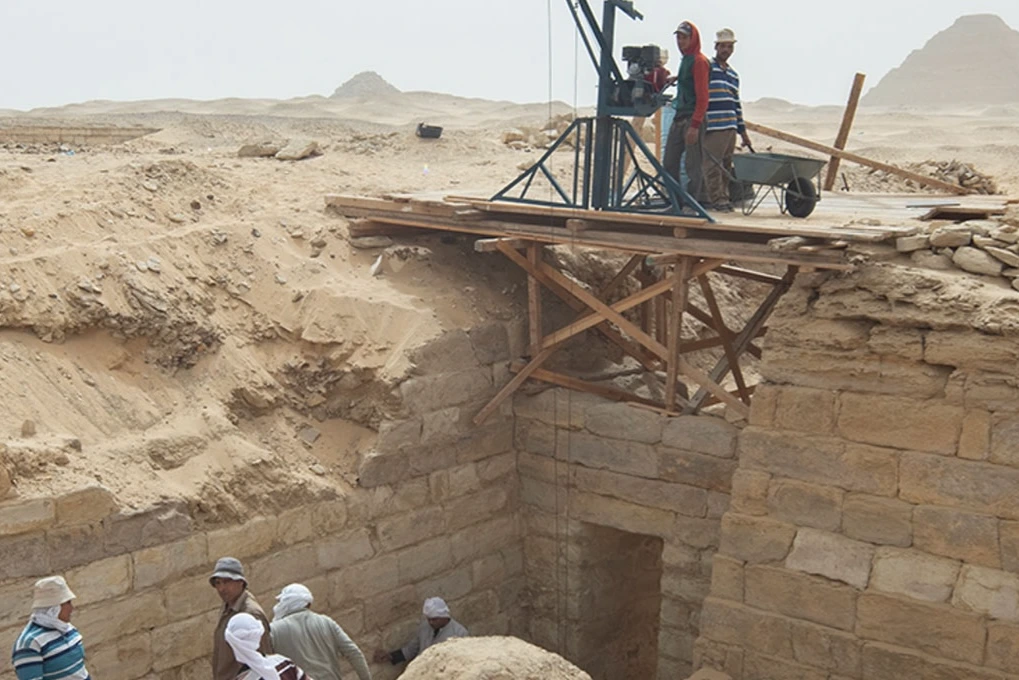

A team of researchers from the Czech Institute of Egyptology discovered an offering chapel approximately 4000 years old in the Saqqara necropolis. The structure belonged to Ikhetnefert, wife of the high priest Sabu, and is associated with his tomb. The finding is part of a broader project that also included the exploration of the tomb of Ptahshepses, their son and a prominent official of the Fifth Dynasty.
Ptahshepses held positions during the reign of four pharaohs of that dynasty and married an Egyptian princess. His career makes him a significant figure of the period. The tombs in this area of Saqqara were first explored in the 19th century by the French Egyptologist Auguste Mariette, founder of the Egyptian Antiquities Service. Mariette identified about 160 tombs from the Old Kingdom in the sector, although he left the work on these particular tombs incomplete.
The new excavations allowed for precise measurements of Sabu's tomb. The monument extended over 53 meters long and about 27 meters wide, and at its peak reached a height of nearly five meters. The outer walls featured elaborate decorations, according to Hisham El-Leithy from the Supreme Council of Antiquities of Egypt.
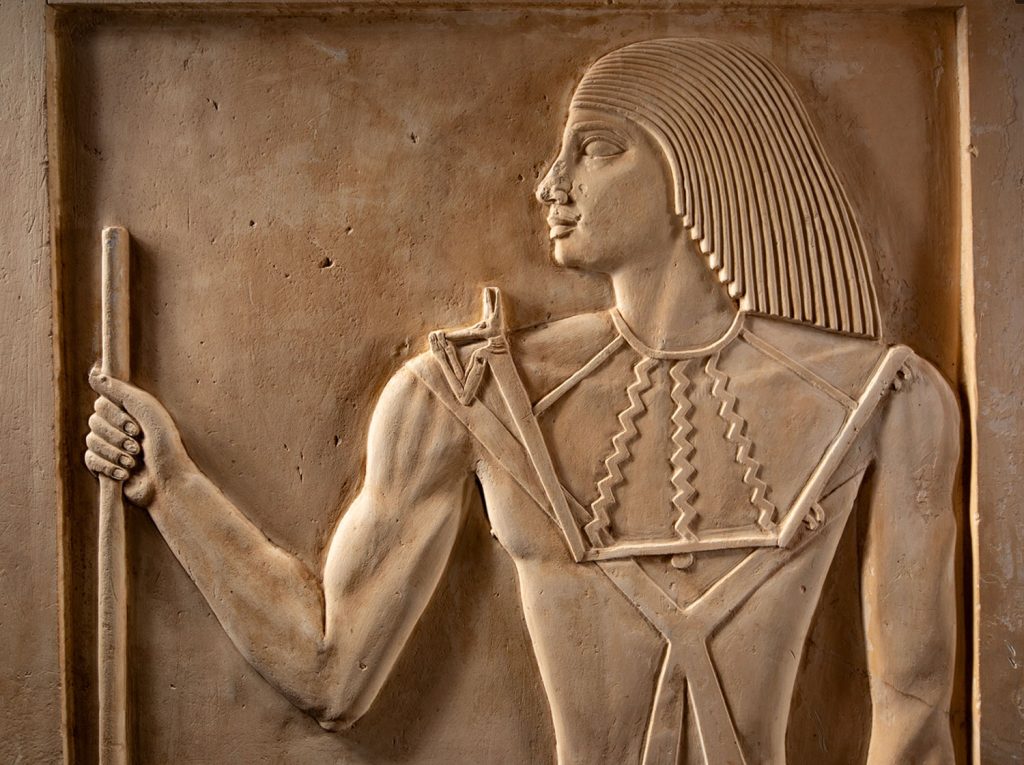
Inside the offering chapel of Ikhetnefert, which Mariette had not excavated, archaeologists found well-preserved reliefs depicting Sabu and Ptahshepses. The chapel also houses a false door with images of Ikhetnefert alongside her husband and their two sons, Ptahshepses and Raneferef. These elements provide valuable information about the family and their funerary practices.
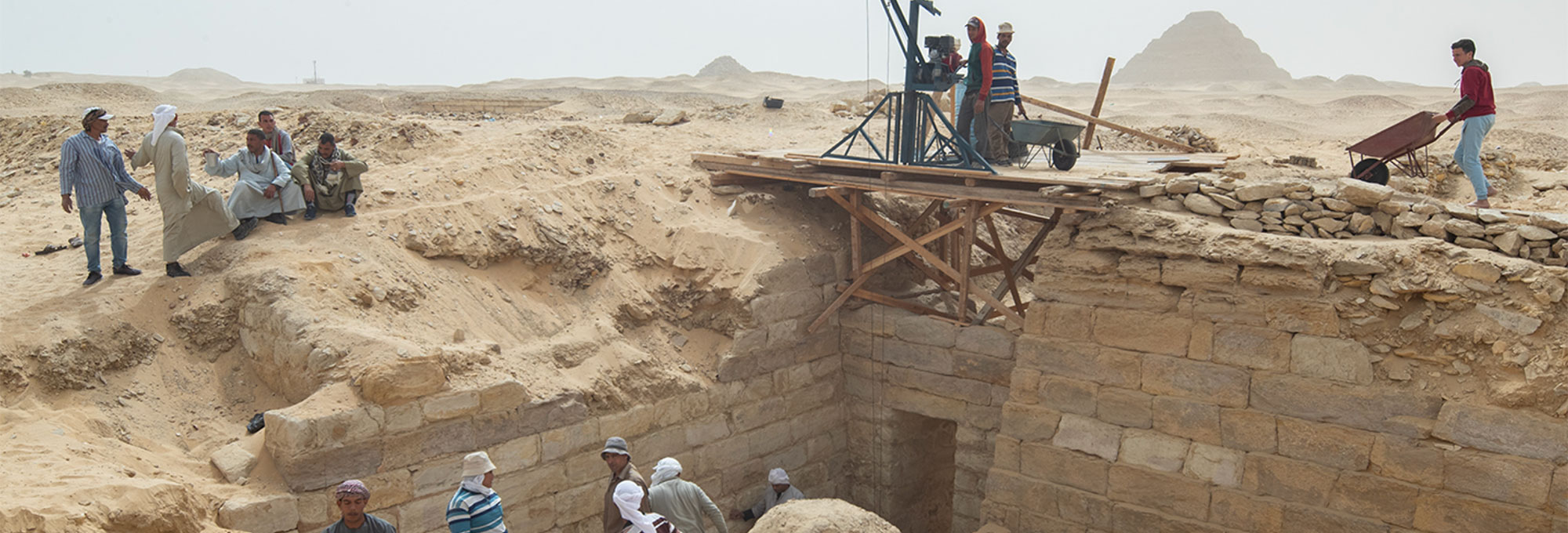
Details of Ptahshepses' Tomb
The nearby tomb of Ptahshepses includes an offering chamber and reliefs depicting processions and offerings. Although the burial chamber was looted in antiquity, researchers found a limestone sarcophagus containing human remains. Analysis of those remains indicates that Ptahshepses lived over 60 years, a significant detail for the time.