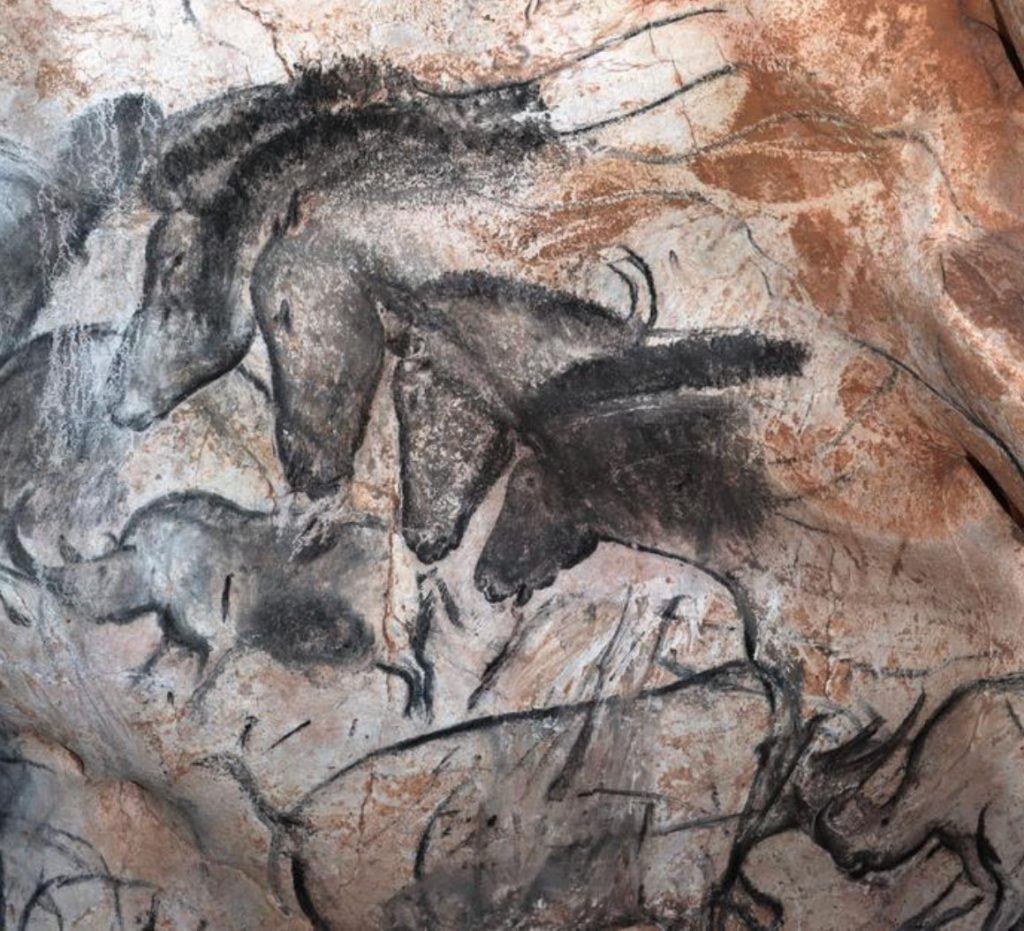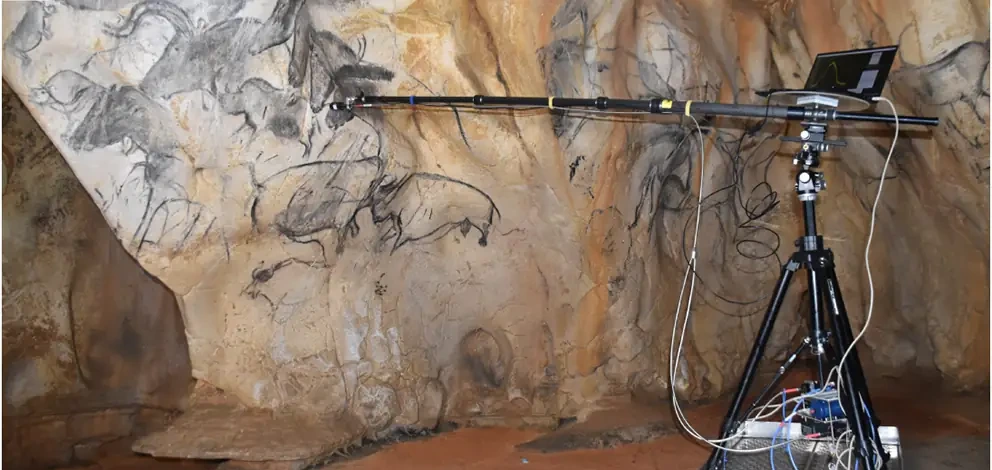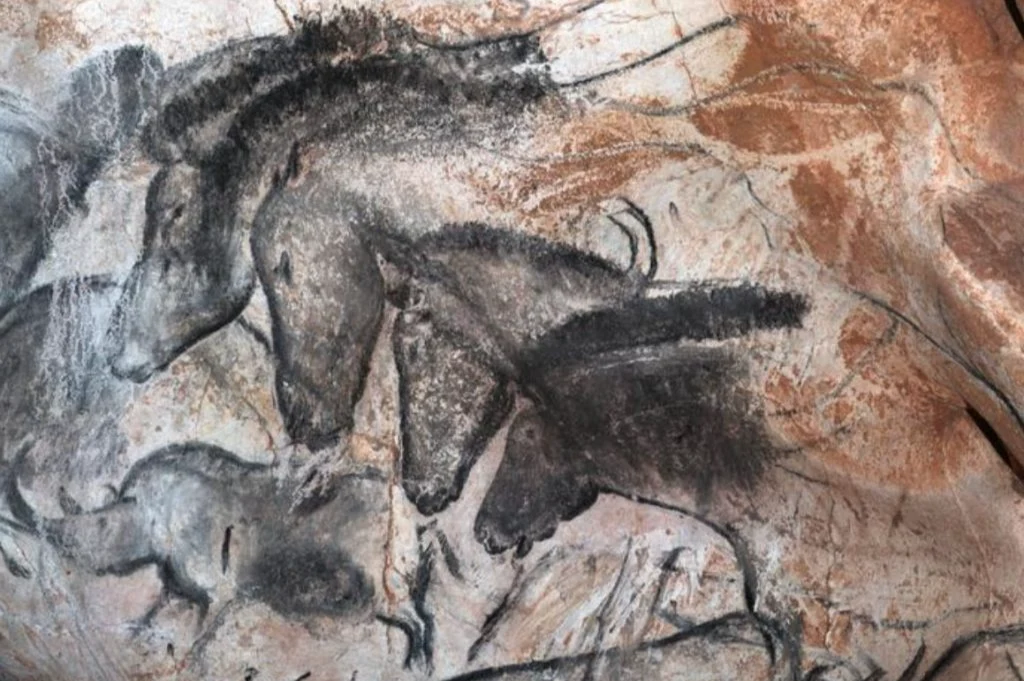







A group of researchers led by Philippe Walter and Yohan Boulard from the Sorbonne University examined the artworks of the Chauvet Cave using ultraviolet fluorescence spectroscopy. The cave, located in southeastern France, houses over a thousand drawings and engravings from about 37,000 years ago depicting horses, cave lions, mammoths, woolly rhinoceroses, bears, and bison.
By illuminating the walls from about two and a half meters away, the team observed that some materials absorbed ultraviolet light while others emitted a visible glow. The color of that fluorescence allowed for the identification of both the pigments and the organic impurities present on the surfaces.
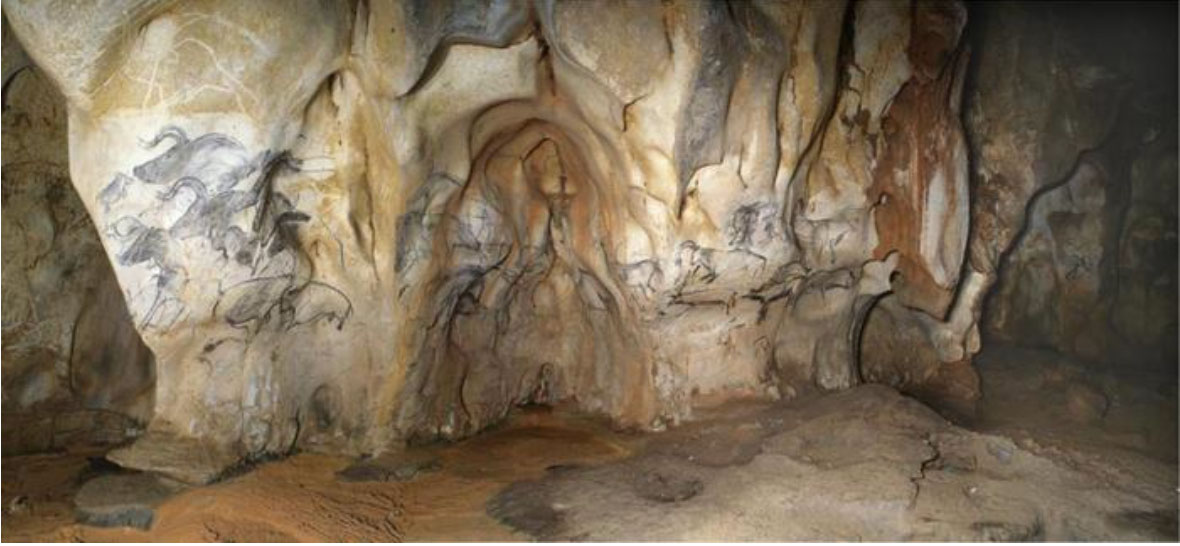
Charcoal absorbs radiation and therefore does not shine. However, the black lines of the Horse Panel appeared covered by a thin layer of calcite. The researchers interpret that this mineral film may have acted as a natural varnish that protected the drawings over millennia.
In the Lion's Alcove, another interesting pattern was detected: calcite flows formed over the bare rock but not over the painted figures. This suggests that the pigments influenced how the minerals crystallized.