The Coninagro report identified six sectors with a green light. Meat, grains, pears, and apples are showing improvements in production and prices
Compartir:
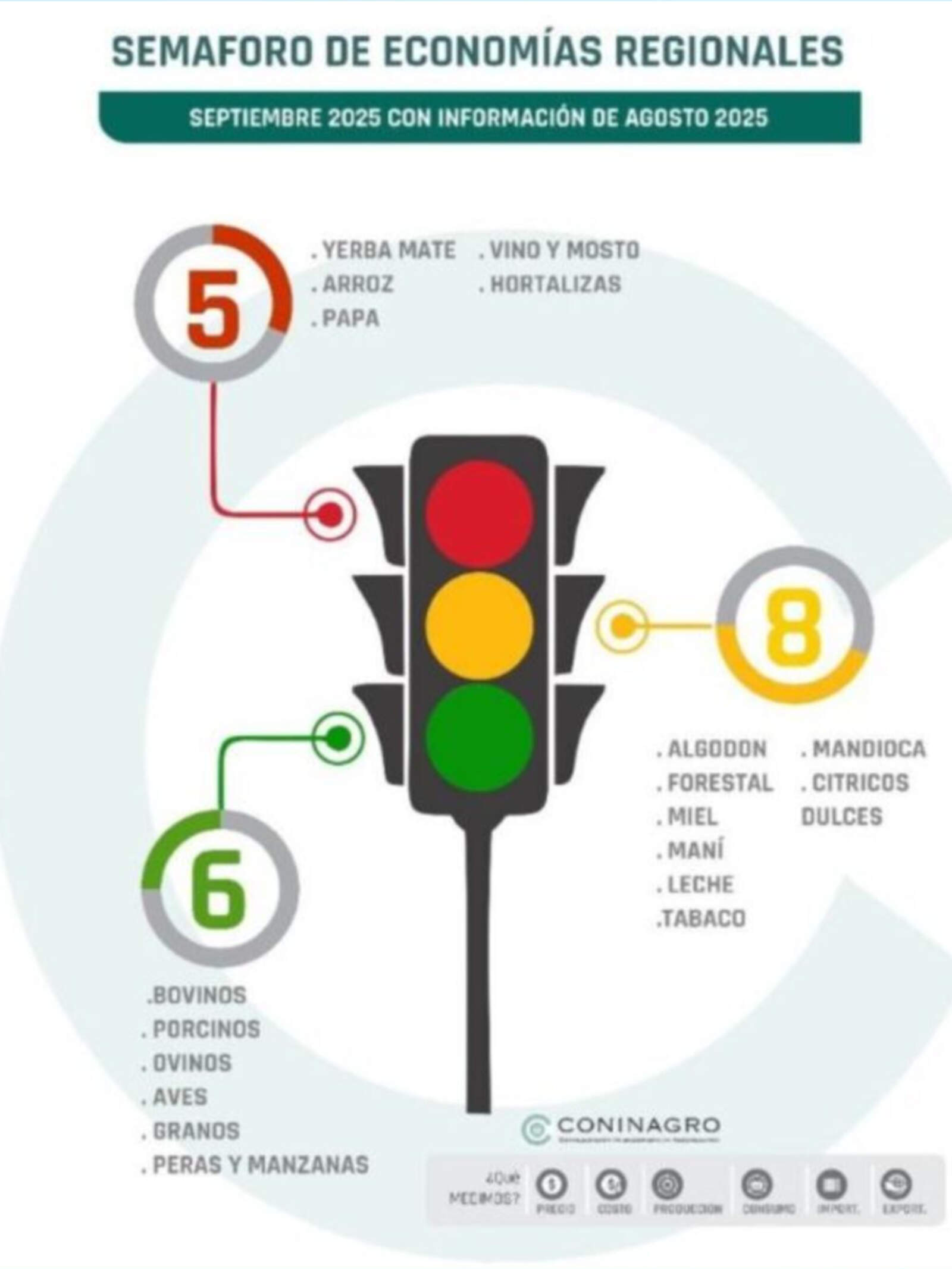
Coninagro's Regional Economies Traffic Light showed a more optimistic outlook for the Argentine agricultural sector in August. Six out of the 19 productions surveyed received a green light, highlighting meats, grains, pears, and apples. The report reflects stability and a slight improvement compared to the previous month.
The winning sectors showed prices that evolved above inflation and a productive rebound. In the case of grains, Córdoba will concentrate 25% of the national investment in the new harvest, consolidating its agro-industrial leadership. The province reaffirms its role as the driving force of the productive interior.
El Semáforo de las Economías Regionales de Coninagro mostró en agosto un panorama más optimista para el campo argentino
Meats and grains, the engines of agro-industrial green
The improvement in meats and grains is explained by export strength and competitiveness achieved after months of cost efficiency. Coninagro highlighted the evolution of corn prices, beef, and fruit production in Alto Valle. These activities outpaced inflationary costs and benefited from sustained international interest.
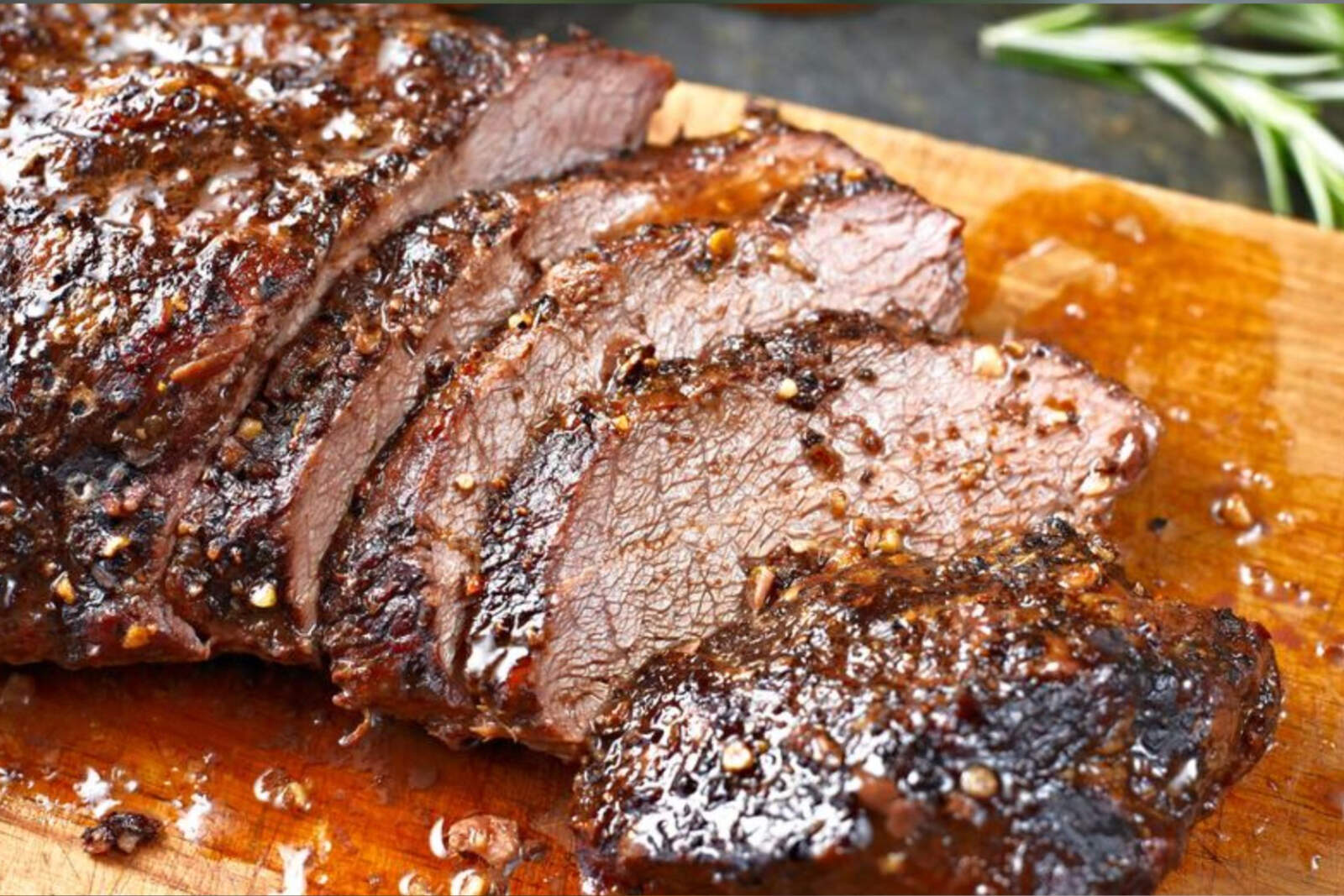
In the meat segment, cattle, pigs, poultry, and sheep show positive indicators. Exports maintain healthy margins and production levels remain strong. The meat sector confirms its strategic role in generating foreign currency and federal employment.
Los sectores ganadores mostraron precios que evolucionaron por encima de la inflación y un repunte productivo.
Yellow for cassava and peanuts; red for yerba mate, potatoes, and wine
Eight sectors remain in yellow, with no significant changes. Among them, cassava rose from red, along with peanuts, milk, and tobacco. Although they did not show marked improvements, they maintained stability in the face of overall market volatility.
Meanwhile, five productions remain in red: yerba mate, rice, potatoes, wine and must, and vegetables. Coninagro attributed the decline to prices that did not keep up with inflation and to the loss of profitability. The smallest economies face high costs and regulations that hinder their recovery.
Coninagro destacó la evolución de los precios del maíz, la carne bovina y la producción frutícola del Alto Valle.
A productive map that calls for less pressure and more freedom
Coninagro's report once again exposes the contrast between dynamic sectors and activities suffocated by the tax burden. The competitiveness of agriculture depends on clear rules and market freedom. Córdoba, with its decisive contribution to national production, reaffirms that prosperity arises from private effort and not from state intervention.