The automaker added 400 employees at its Ferreyra plant and projects a 26% increase in its production in 2026
Compartir:
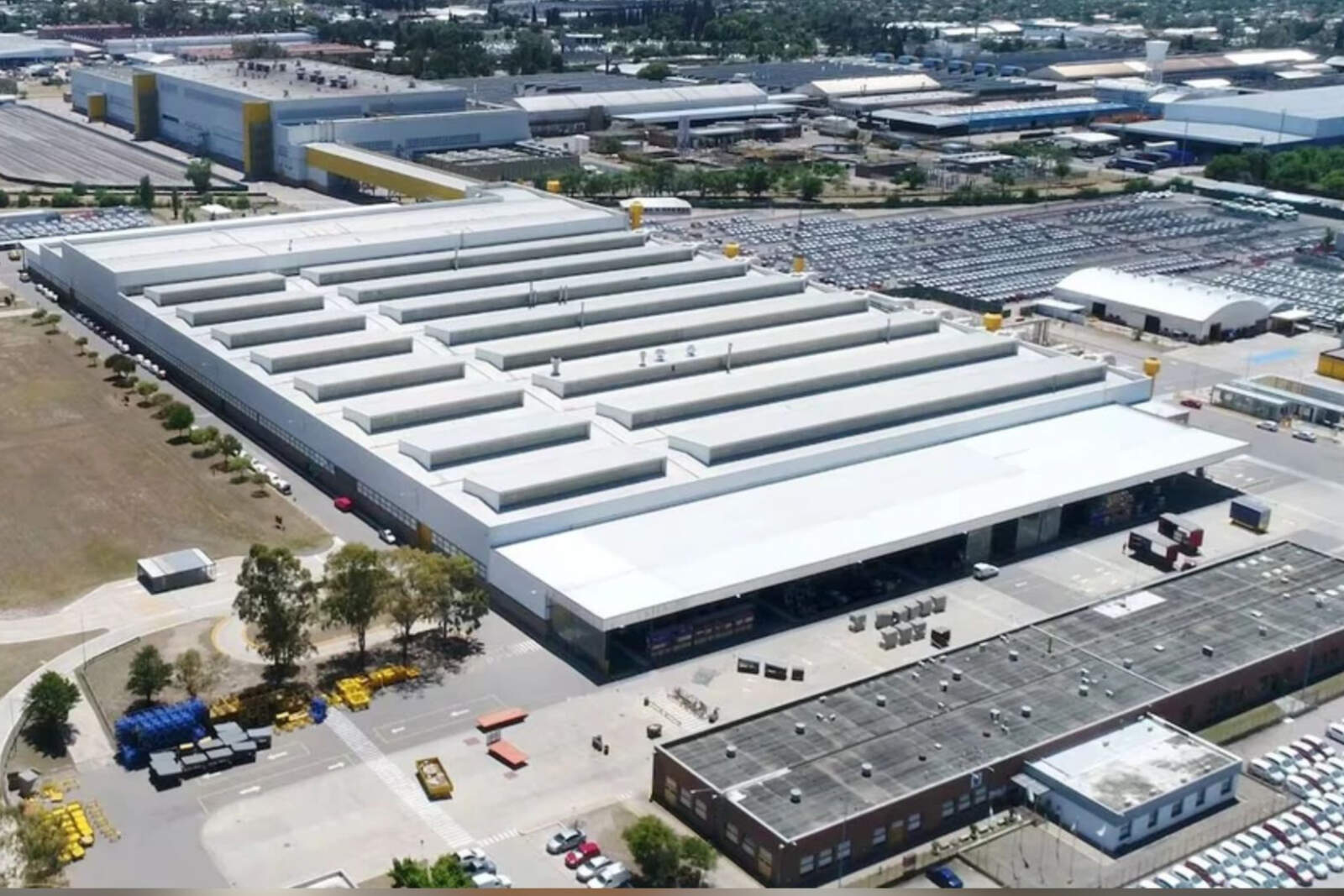
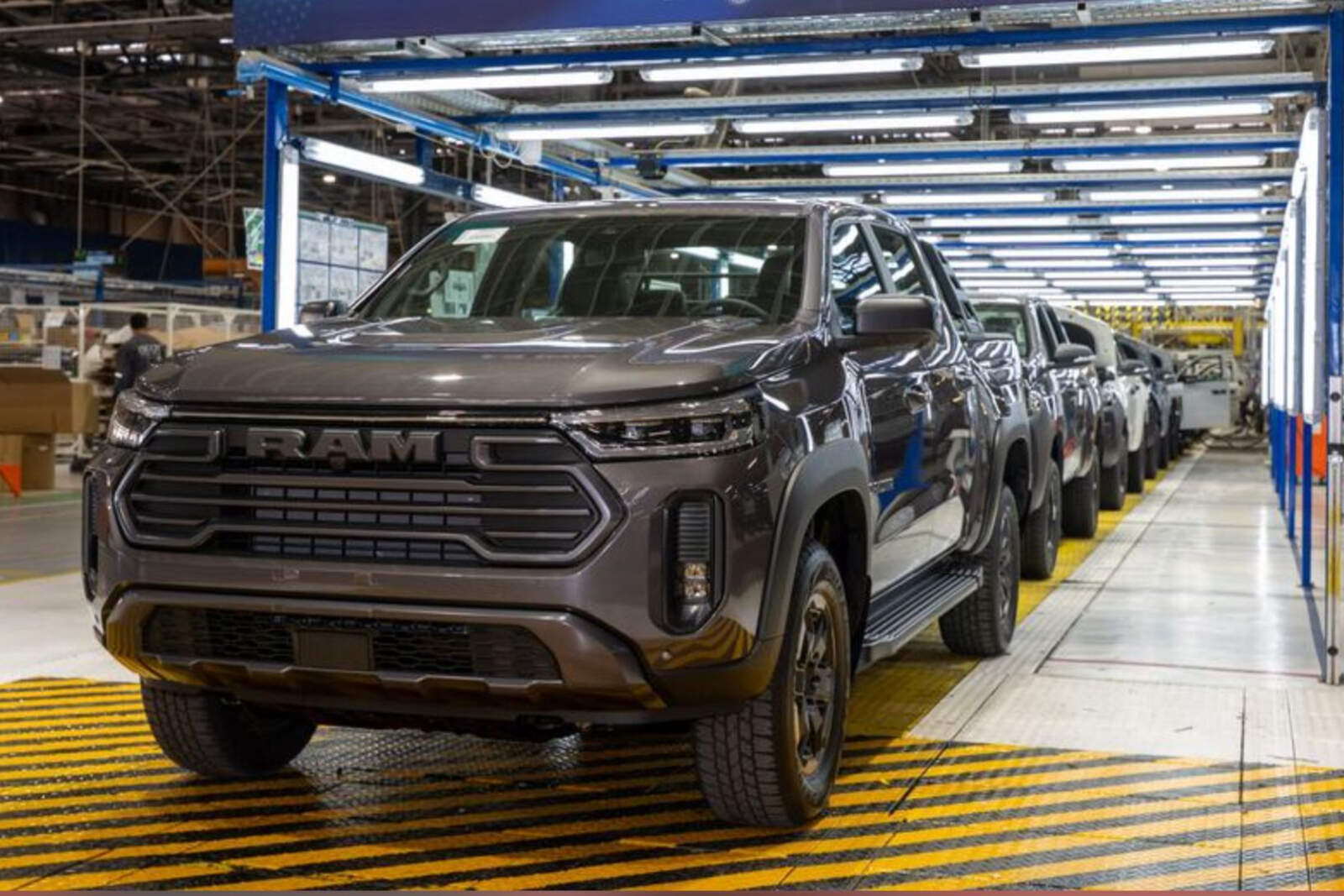
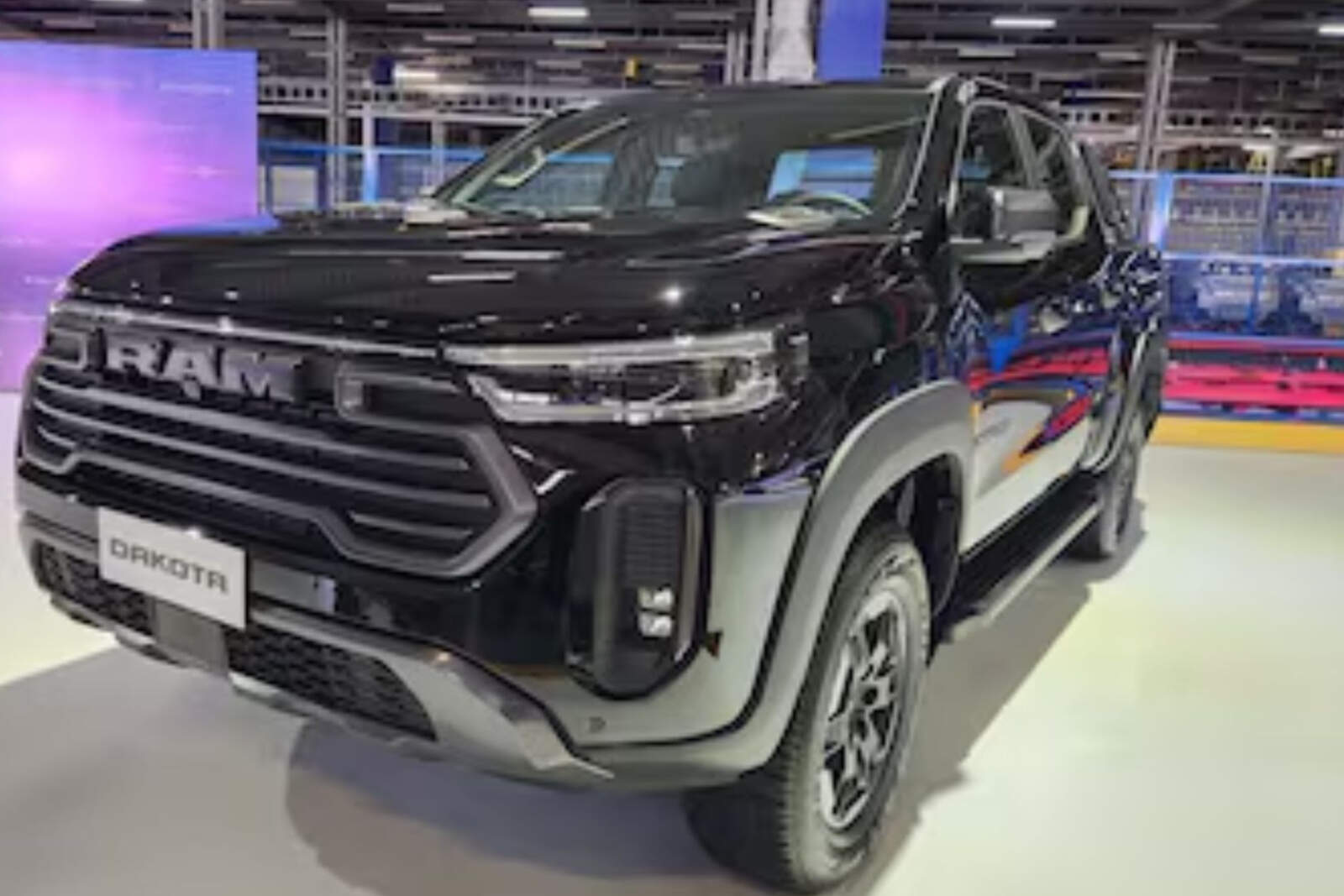
The Stellantis group began manufacturing the new RAM Dakota at the Córdoba Industrial Hub. This is the first American pickup produced in the country, with 70% destined for export. The company plans to increase its vehicle production by 26% by 2026, consolidating its regional presence.
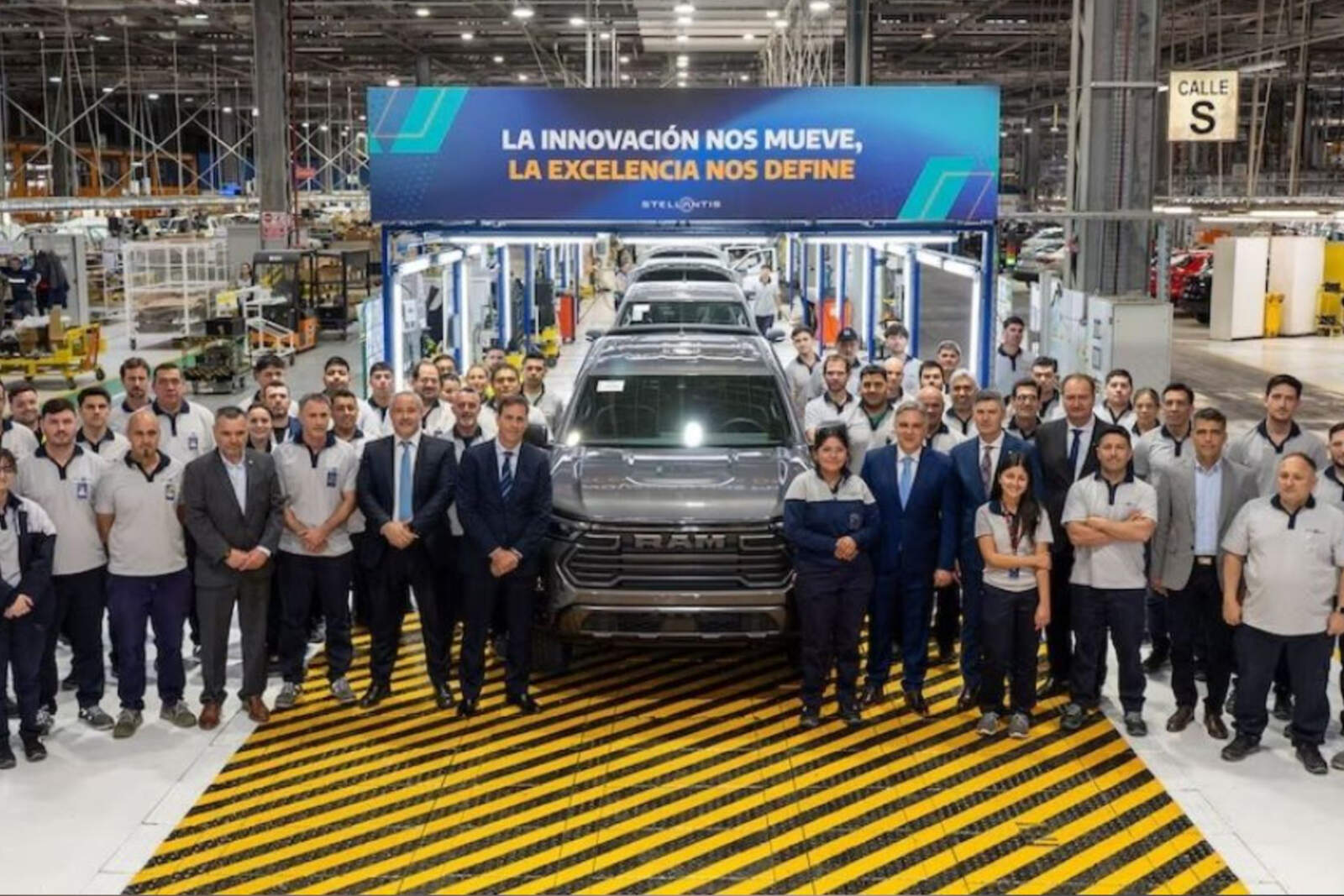
The launch is part of an investment plan of 385 million dollars. The goal is to transform Córdoba into a hub for the production and export of pickup trucks. In this context, Stellantis has already added 1,100 workers so far this year, including 400 for the new RAM Dakota line.
The presentation event was attended by provincial authorities, executives, and industry entrepreneurs. However, the focus was on the industrial announcement and its impact on productive employment, rather than on political rhetoric.
Se trata de la primera pick up americana producida en el país, con un 70% destinado a exportación.
Own engine and industrial employment
In 2026, Stellantis will begin to manufacture the Multijet 2.2-liter engine in Córdoba. It will be used in Fiat Titano and RAM Dakota pickup trucks, and will be exported mainly to Brazil. This integration will increase local added value and improve export competitiveness.
The engine project will require another 400 employees and will add national and regional suppliers. In total, the company plans to reach 1,800 new direct and indirect jobs. Growth is driven by the efficiency of the private sector and the search for more profitable external markets.
By 2028, the group's revenue in Córdoba could reach 200 million dollars. The export-oriented approach seeks to offset the limitations of the Argentine domestic market, which is strongly affected by tax pressure and low competitiveness.
En 2026, Stellantis comenzará a fabricar en Córdoba el motor Multijet 2.2 litros.
Competitiveness and clear rules
The president of Stellantis Argentina, Martín Zuppi, highlighted the need for predictable rules to sustain development. "When Argentina exports vehicles, it pays 16% in taxes; Brazil pays 7% and Mexico pays 0%," he warned. The tax gap remains one of the main obstacles to global competitiveness.
Despite the difficulties, the group is committed to consolidating Córdoba as the industrial hub of Mercosur. 70% of RAM Dakota production will be destined for export, mainly to Brazil, and to a lesser extent to Chile and Uruguay. The production model relies on logistical efficiency and regional integration.
Currently, 17 local industries supply parts and components to the Stellantis complex. Seven new suppliers will join the engine development, with estimated revenues of 26 million dollars between 2027 and 2028.
Actualmente, 17 industrias locales proveen piezas y componentes al complejo de Stellantis.
Local integration and export logistics
The company's plan includes progressively nationalizing metal and plastic parts such as doors, hoods, and side panels. The objective is to reach 40% local integration, a key condition for Mercosur status and for reducing logistics costs.
Stellantis is also making progress in using freight trains to transport vehicles to the ports of Buenos Aires and Rosario. The strategy seeks to take advantage of containers arriving with imported parts to return with finished units. It is an efficient logistics model that can adapt to regional demand.
The new RAM Dakota strengthens Córdoba's industrial profile and the weight of the automotive sector in the national economy. With investment, employment, and trade openness, Stellantis consolidates its commitment to production and export. In a context where competitiveness defines the future, the market once again becomes the main driver of development.