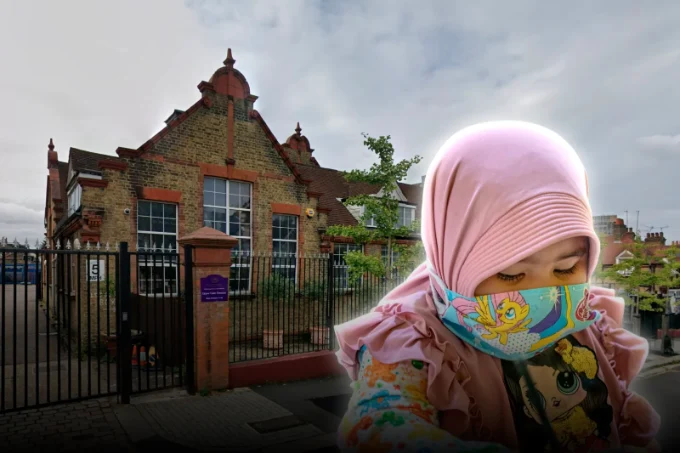
An Islamic school in northern London that recently became part of the state-funded education system in the UK maintains among its uniform rules the mandatory use of the hijab for Muslim female students from the age of seven.
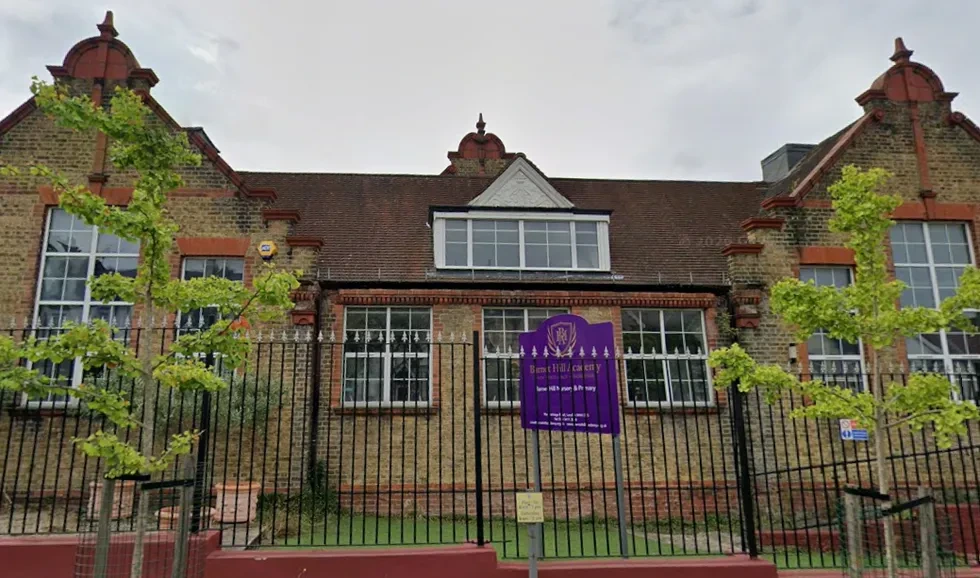
This is Barnet Hill Academy, which has been operating as a voluntary aided primary school since September 1. This model includes public funding and maintenance by the local authority, while allowing the school to retain a wide margin to develop its religious identity.
The regulations published by the academy itself state that the female uniform includes a “white hijab” for students in Key Stage 2, an educational stage that begins in Year 3 and generally includes girls aged between seven and eleven.
Barnet Hill Academy School
The school also explains that its uniform and its “Islamic dress code” are closely linked to the spirit of the institution, whose declared aim is to guide students towards “Islamic values and norms”.
Following the controversy generated by this provision, the academy added a clarification on its website to specify that the hijab “is not a requirement for any non-Muslim student”, although it remains mandatory for all Muslim students.
The dress code is applied within an educational framework that also includes religious activities during the day. According to information released by the institution, Key Stage 2 students participate in collective prayers, Quran recitation, and other acts of Islamic worship.
The complete uniform starts from Reception and students must meet the expectations set by the school. The academy links these provisions to its religious identity and the educational model it develops.
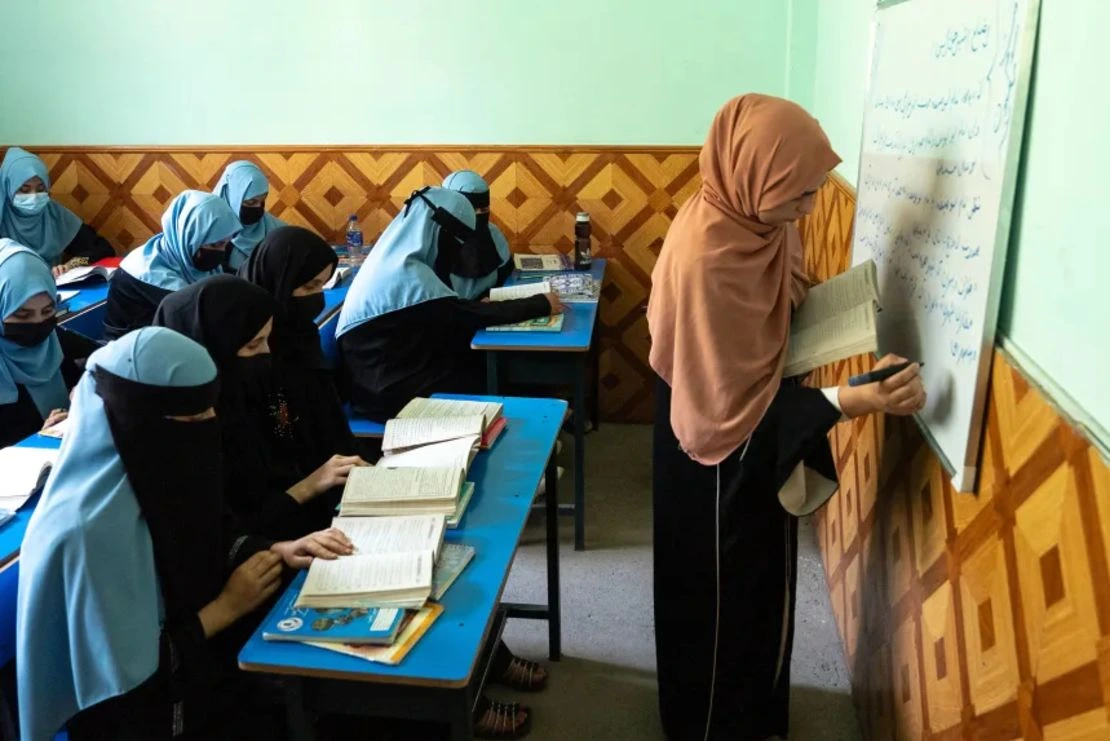
Girls forced to wear Islamic clothing
Barnet Hill Academy previously operated as an independent Islamic school. The Barnet Council approved its transformation into a voluntary aided primary school maintained by the local authority on August 4, effective from September 1, 2026.
Within this system, the local authority funds and maintains the school, while the governing body retains relevant responsibilities related to staff, admissions, and religious guidance.
The religious identity is also reflected in the admission criteria. The school explains that it was created to provide Islamic religious education alongside ordinary academic teaching and gives priority to the children of practicing Muslim families.
The academy defines these families as those whose parents regularly attend mosques and whose practices align with the majority Sunni doctrine.