The Economy Minister assured that the controversy over the tender reflects a structural change and confirmed that there won't be any debt issuance or hasty return to the markets
Compartir:
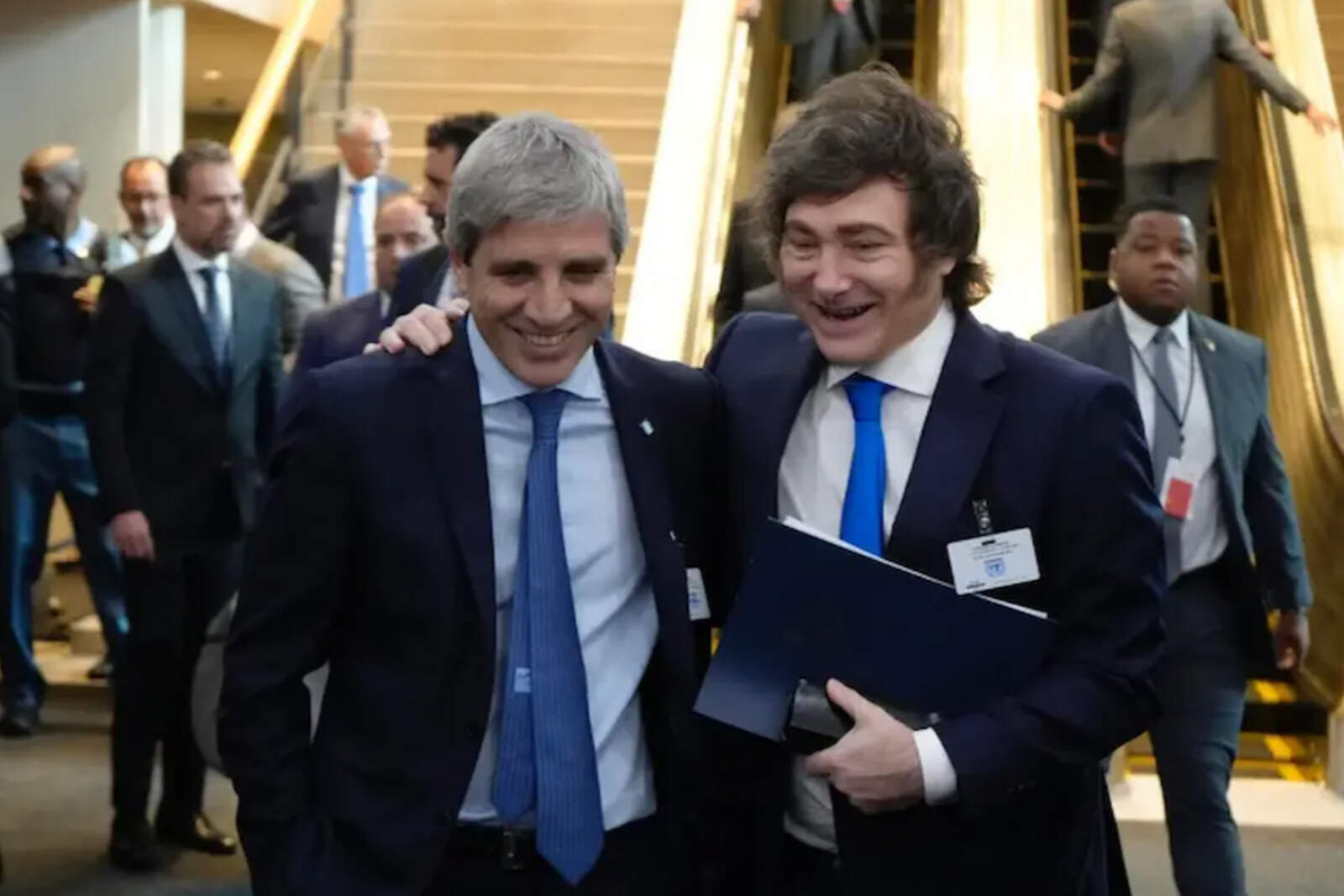
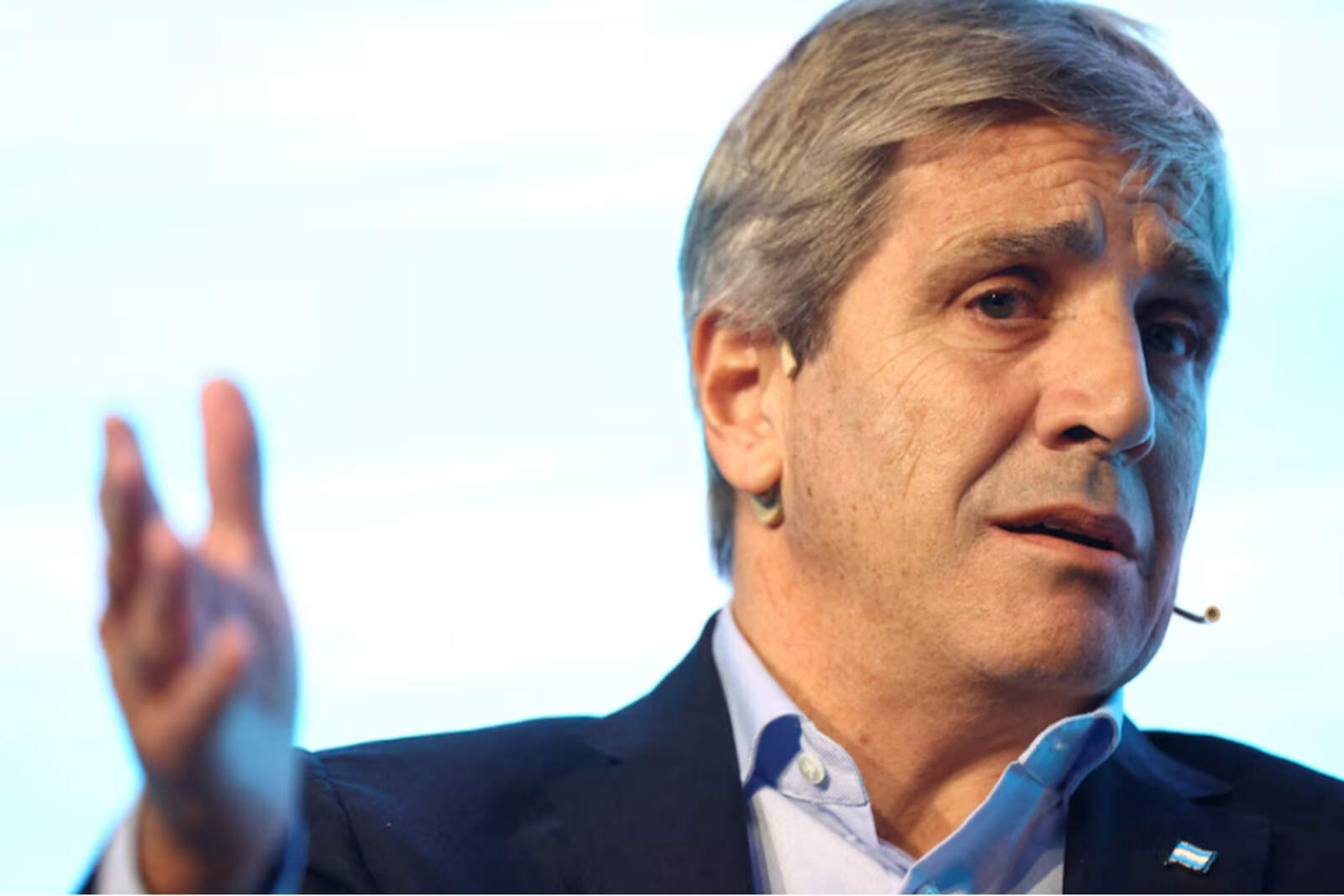
The Minister of Economy, Luis Caputo, referred to the controversy caused after the awarding of a tender to an Indian company in which the Techint group was relegated and flatly rejected that this is a confrontation with the private sector. "Techint is in a position to win any tender; it's not a war with anyone in particular, but with the previous model", he stated.
In a conversation with Eduardo Feinmann on Radio Mitre, Caputo explained that the episode is representative of the economic shift driven by Javier Milei's administration, focused on efficiency, competition, and the reduction of the fiscal cost.
The tender as a symbol of the change of model
Caputo pointed out that the conflict was misinterpreted and framed it within a deeper transformation. "We were coming from a model with a deficit, largely because people were led to believe that energy was free", he maintained.
As an example, he recalled the construction of a gas pipeline during the previous administration: "They rushed out to build a gas pipeline and passed the cost on to the people. It cost about USD 4,000 per ton of pipe. Do you know how much it cost in this tender? USD 1,400."
Luis 'Toto' Caputo habló sobre el conflicto con Techint: 'No es una guerra con empresas, es contra el modelo anterior'
For the minister, the cost difference concretely exposes the impact of introducing real competition and market criteria in public works and in government procurement.
Country risk going down and no debt issuance
Caputo also ruled out that the administration plans to issue debt in international markets, despite the drop in country risk. "We don't have any intention of going out to the international market. It's exactly the opposite of what has been said", he stressed.
According to his explanation, access to financing is not forced: "The first to determine whether there is access or not is the market itself. It's not necessary to go out and prove anything."
From crowding out to crowding in
The head of the Palacio de Hacienda delved into the macroeconomic foundations of the official strategy. He recalled that Argentina ran a deficit in 113 of the last 124 years, which led the state to absorb almost all available credit.
"That is what is known as crowding out: the state takes all the credit and leaves no financing for the private sector," he explained. In contrast, he asserted that for the first time the opposite phenomenon is being observed: "Crowding in works the other way around. As Argentina pays down debt, those dollars seek to be reinvested in Argentine risk."
The operation with the United States and the IMF
Luis 'Toto' Caputo habló sobre el conflicto con Techint: 'No es una guerra con empresas, es contra el modelo anterior'
Caputo also clarified the operation through which USD 808 million was paid off to the IMF. "The Fund is not paid in dollars, but in SDR. The seller of SDR is the United States. It's a common operation that is always carried out", he explained.
"There is no loan whatsoever. Saying that is inaccurate information", he emphasized.
Social situation, expectations, and labor market
On the social front, the minister maintained that the population is living with greater calm and better expectations. "Until six months ago there was fear of a possible return of communism to Argentina. Today there is more hope", he stated.
He also referred to economic activity and the process of productive readjustment: "There will be more competitive companies and less competitive ones. That is normal and there is no need to tear one's clothes in despair."
"Our objective is to create jobs, keep cutting taxes, and create conditions for employment to grow. The fact that someone leaves a company should not be a drama, but an opportunity to find another job, as happens in any normal country," he concluded.