When the charge was performed at a slower rate—from 0 to 100% in 20 minutes—the battery maintained 90% of its capacity over 2,000 cycles, a result that matches the theoretical limits of lithium-ion batteries.
Fast charging test results
How it compares to current electric vehicle charging
Charging speed remains a critical point for electric vehicles (EVs). Currently, the BYD Denza is the fastest charging EV on the market, charging from 10% to 70% in five minutes, although it requires proprietary 1MW chargers.
Tesla Model 3: from 10% to 70% in 15 minutes with proprietary 250kW chargers
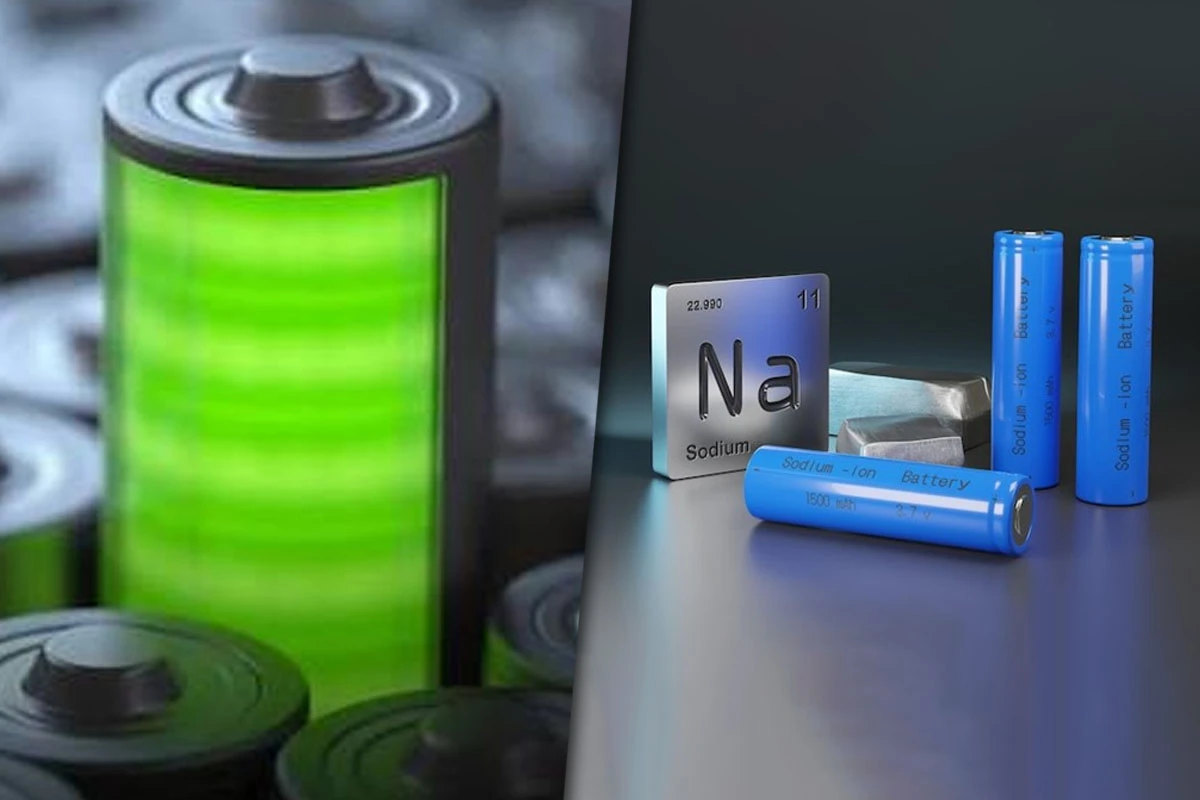
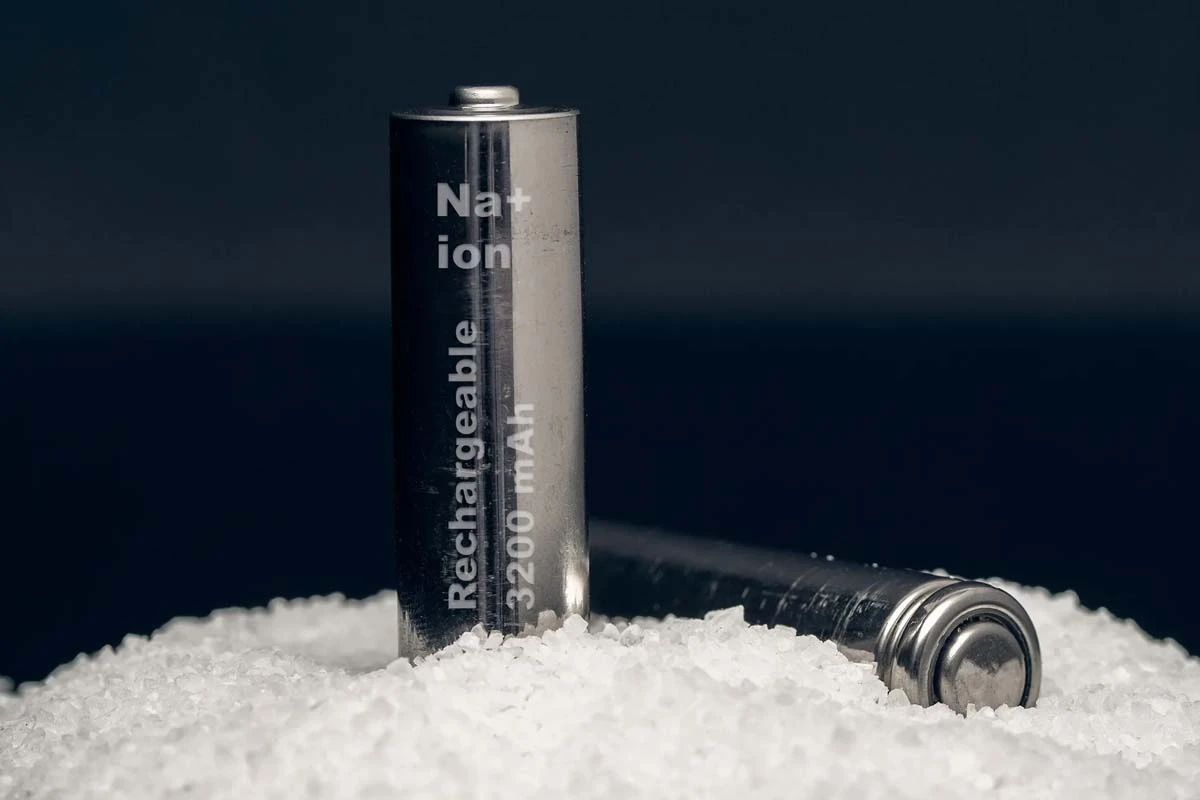
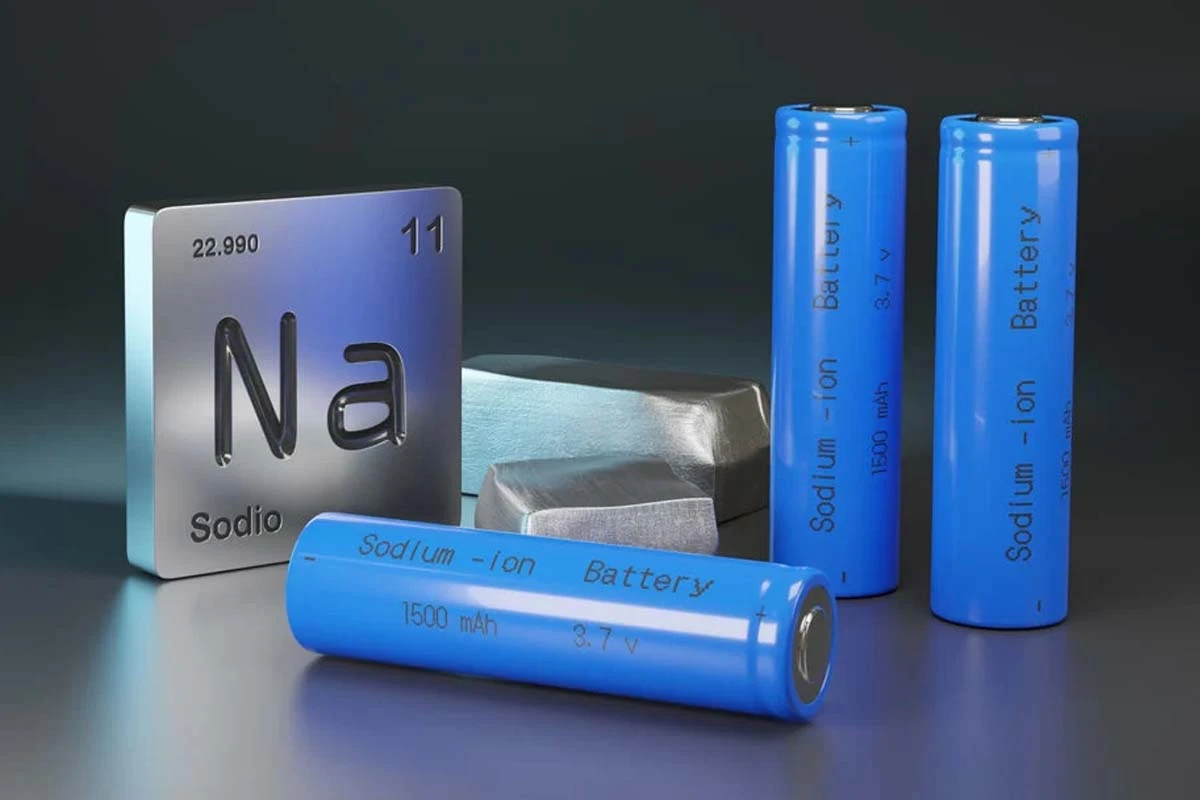
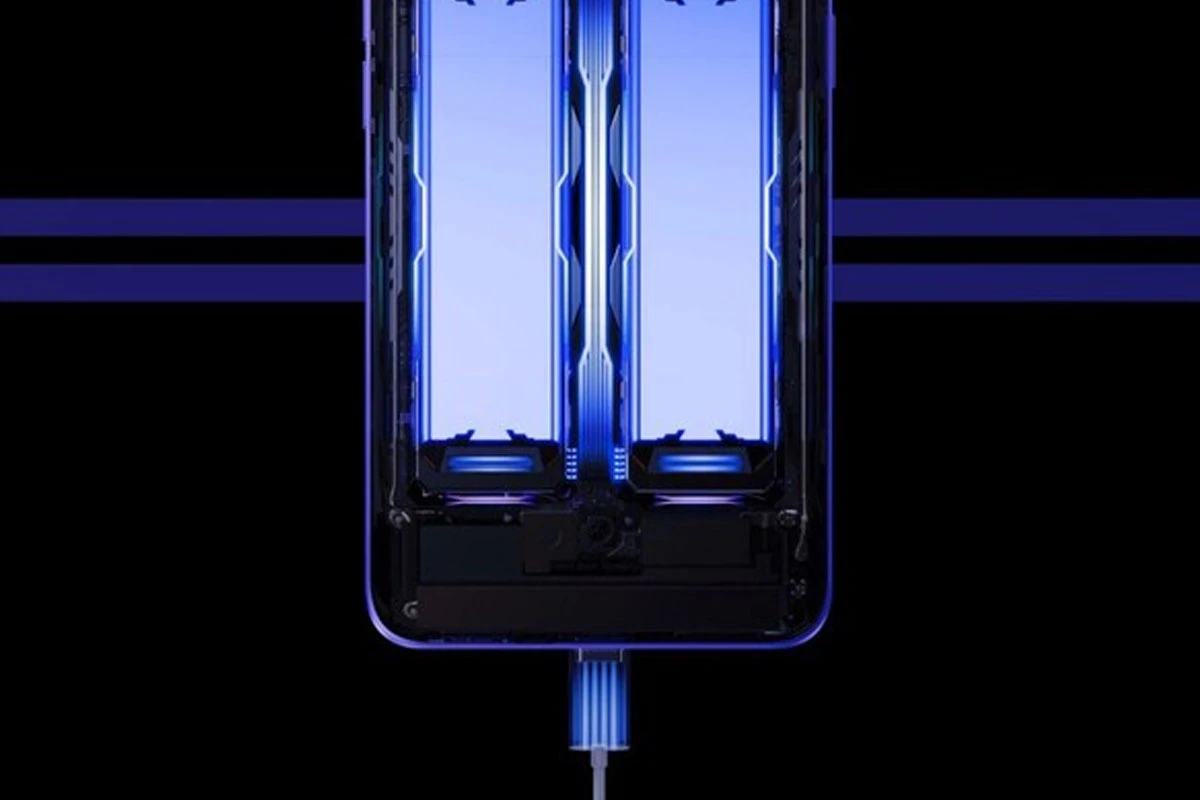
Researchers from China have developed a new design for a sodium metal battery capable of fully charging in just four minutes. The advancement also ensures that the battery maintains its capacity for years of use.
The finding, published in the journal Nano-Micro Letters, aims to address one of the main obstacles of this technology: dendrite formation. Scientists used a special electrolytic gel to stabilize the operation of the sodium battery.
Researchers in China have developed a new sodium metal battery design
What are sodium metal batteries and how do they differ
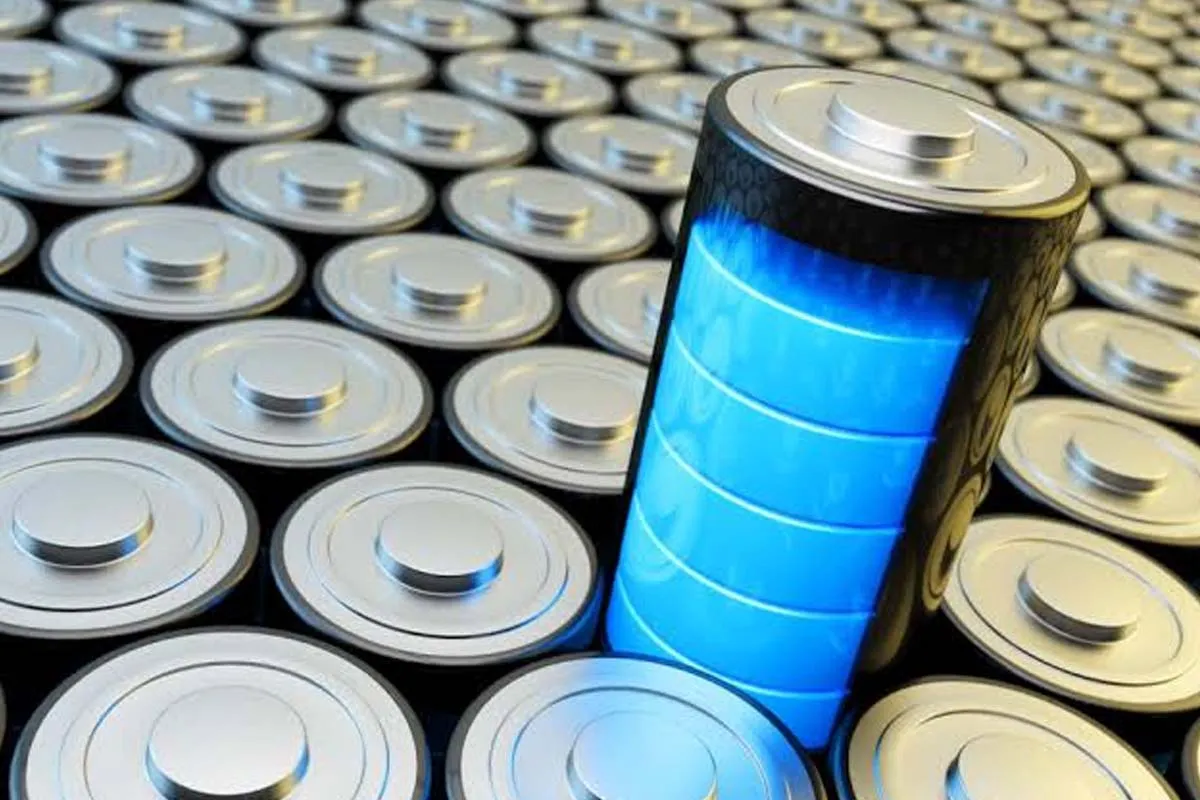
Sodium metal batteries (SMB) are a type of ultra-fast and stable battery that could become a more economical alternative to lithium-ion batteries, which rely on scarce metals and are prone to catching fire.
Unlike sodium-ion batteries, SMBs use a metallic sodium anode instead of a graphite or hard carbon one.
Why they are prone to failure
SMBs remain mostly theoretical due to a problem known as dendrite formation. This phenomenon occurs when sodium ions deposit on the metallic anode in pointed structures, similar to stalagmites.
Why Sodium Batteries Are Prone to Failure
Over time, these structures create a bridge between the cathode and the anode, leading to a short circuit. Sodium, being a highly reactive metal, is especially prone to this type of degradation.
How the new Sn-FB QSE electrolytic gel works
The researchers claim to have solved the problem with a quasi-solid electrolytic gel called Sn-FB QSE. This material reinforces the battery against punctures and provides a semi-solid internal structure that prevents dendrite formation.
How the new Sn-FB QSE electrolytic gel works
To confirm the durability of the design, scientists charged and discharged the battery for over 6,000 hours without any short circuits caused by dendrites.
Results of the fast charging tests
When charging the sodium battery from 0 to 100% capacity in four minutes, the device retained an electric charge of 80.1 mAh g⁻¹ (milliampere-hours per gram). This figure is equivalent to half of what lithium-ion batteries retain.
Tesla Model 3 on 50kW chargers (according to Zapmap): 90 minutes to reach 80%
Advantages over lithium and sodium-ion batteries
Lithium-ion batteries are expensive to produce because they require lithium and cobalt, metals that are difficult to obtain, and pose a fire risk. In contrast, sodium-ion batteries are more economical and safer, although heavier and bulkier.
Advantages over lithium and sodium-ion batteries
SMBs aim to combine the best of both technologies: by using a sodium anode instead of graphite, they are lighter and cheaper to produce, with a size and weight more comparable to lithium batteries.
Why sodium batteries are safer
According to researchers, SMBs are safer because they operate with sodium ions, which are bulky and cannot move quickly enough to a crack in the battery to cause uncontrolled thermal runaway, the phenomenon that causes batteries to catch fire when damaged.
When could sodium batteries hit the market
If the issues of dendrite formation and stability at low temperatures are resolved, SMBs could transform the economics of battery deployment in the next decade, according to researchers.
When could sodium batteries hit the market
Scientists believe this technology would be ideal for electric public transport vehicles or urban use, as they charge faster, even though they have lower autonomy than conventional lithium or sodium batteries.
However, their arrival in consumer electronics, such as smartphones, will take time, as these devices are exposed to temperature changes that affect the internal chemistry of batteries with gel electrolytes.