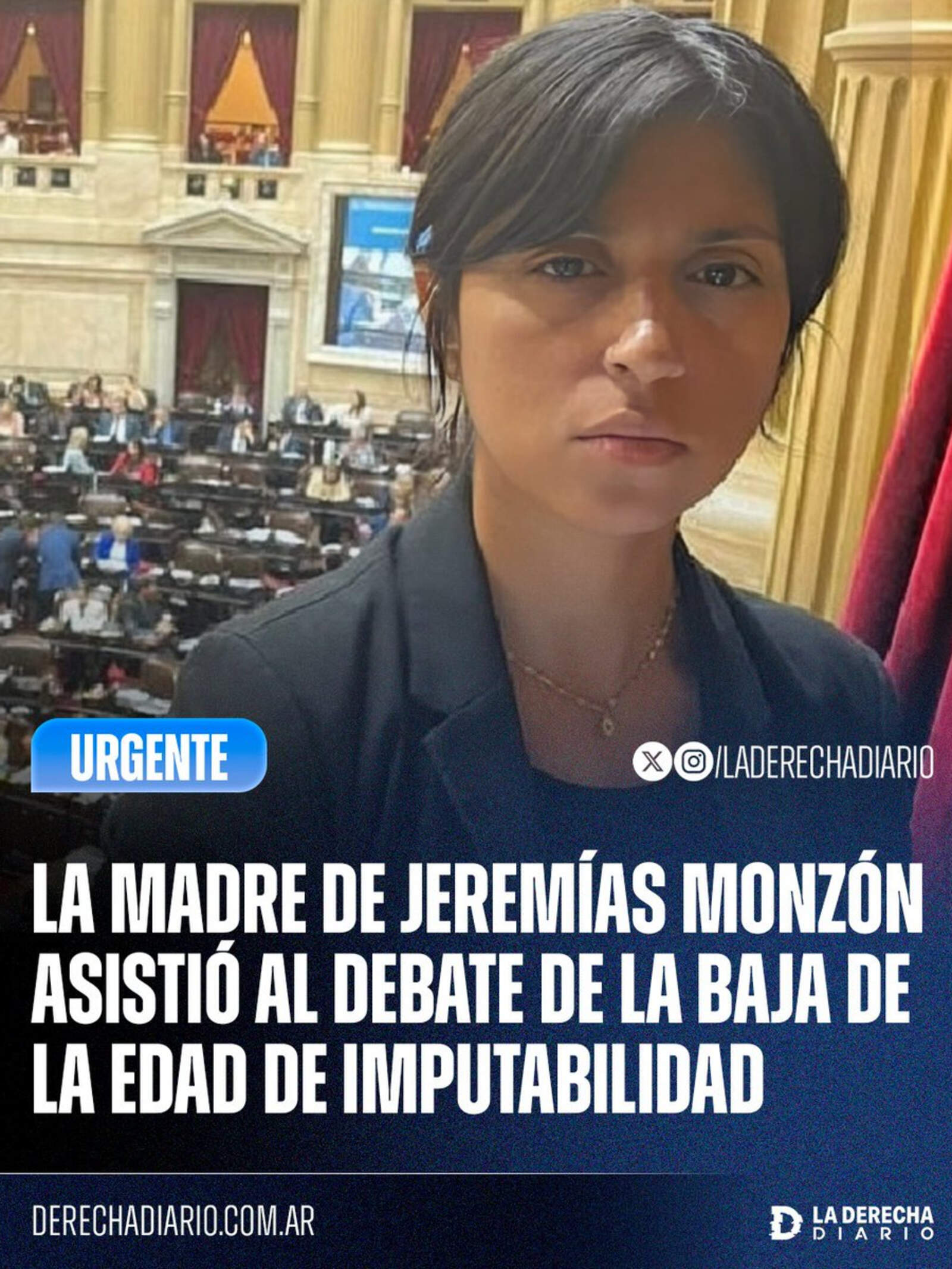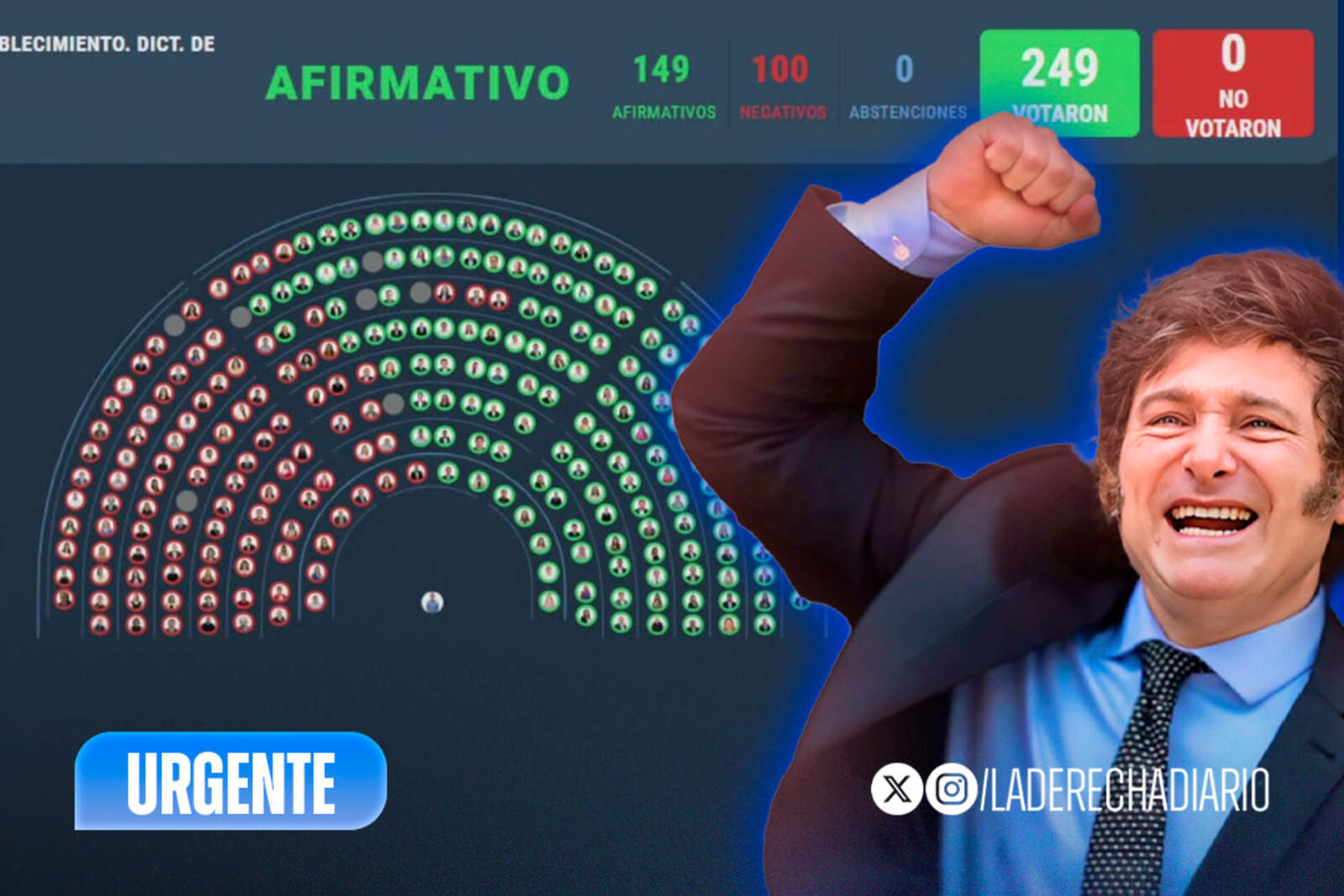

The Chamber of Deputies approved in general the new Juvenile Criminal Regime and gave preliminary approval to the bill that lowers the age of criminal responsibility from 16 to 14 years. The initiative, promoted by the Ministry of Security and figures such as Patricia Bullrich, received 149 votes in favor and 100 against, with no abstentions, consolidating broad parliamentary support.
The ruling party managed to build a majority together with PRO, UCR, Provincias Unidas, MID, Innovación Federal, and other provincial blocs. Peronism, true to its revolving-door policy, voted against it in a unified manner. The result reflected the legislative work carried out during the last year in a plenary session of four committees, where more than twenty bills were analyzed and more than thirty specialists presented their views.
The new regime not only lowers the age of criminal responsibility, but also sets a maximum sentence of up to 15 years in prison for serious crimes such as homicides, violent robberies, sexual assaults, and kidnappings. For offenses with sentences of less than 10 years, alternatives are envisaged such as warnings, restraining orders from the victim, community service, electronic monitoring, restitution of damages, and restrictions on movement or driving.
One of the central pillars is the creation of specialized institutions for convicted minors, guaranteeing access to education, medical care, and addiction treatment. The text establishes mandatory training for staff and expressly prohibits cohabitation with adult detainees. In addition, it allows for the suspension of the trial on a probationary basis and juvenile criminal mediation in minor cases, always with the involvement of the parties and the victim's consent.