Two studies reveal that Earth's core was key to preserving water and essential nutrients
Compartir:
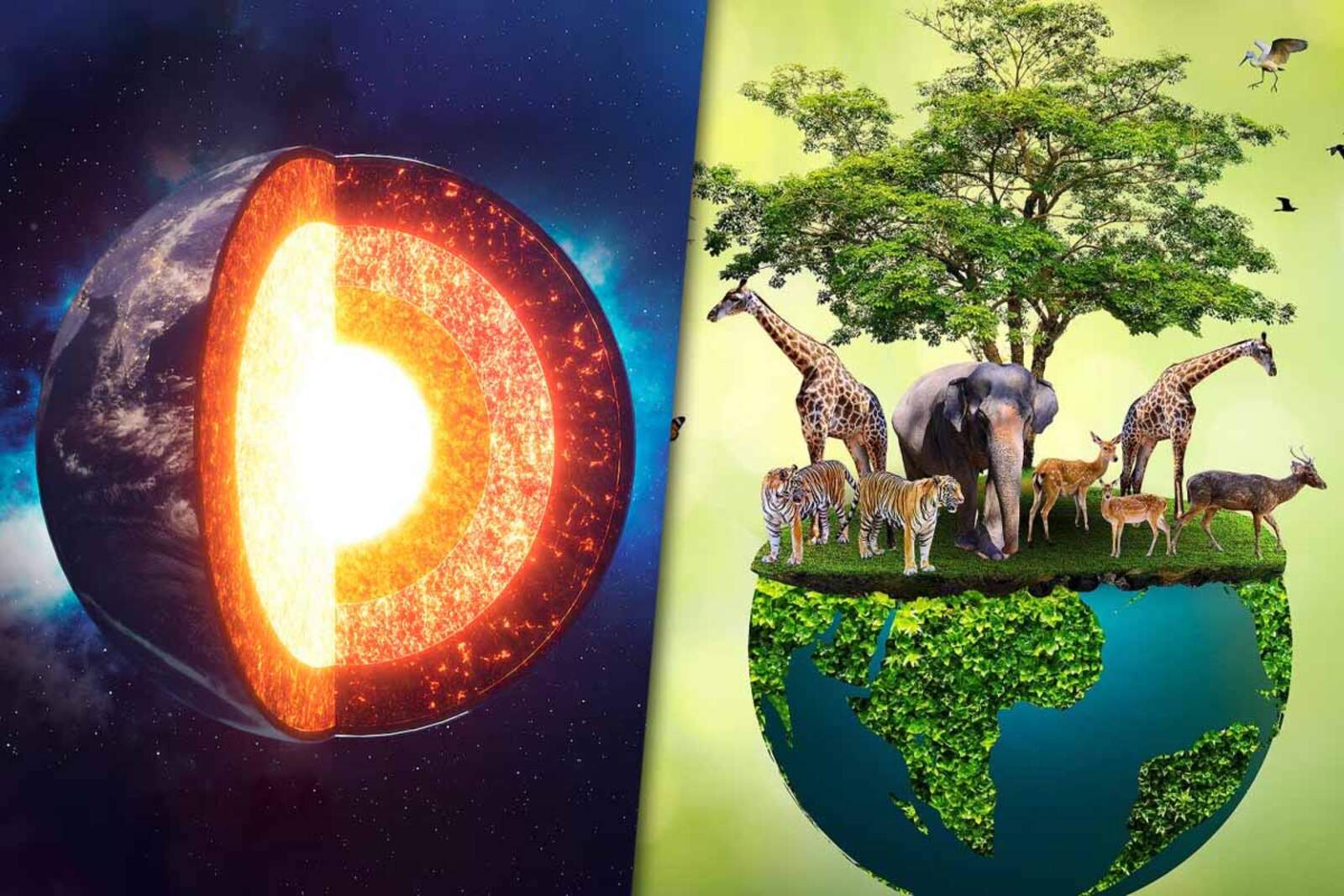
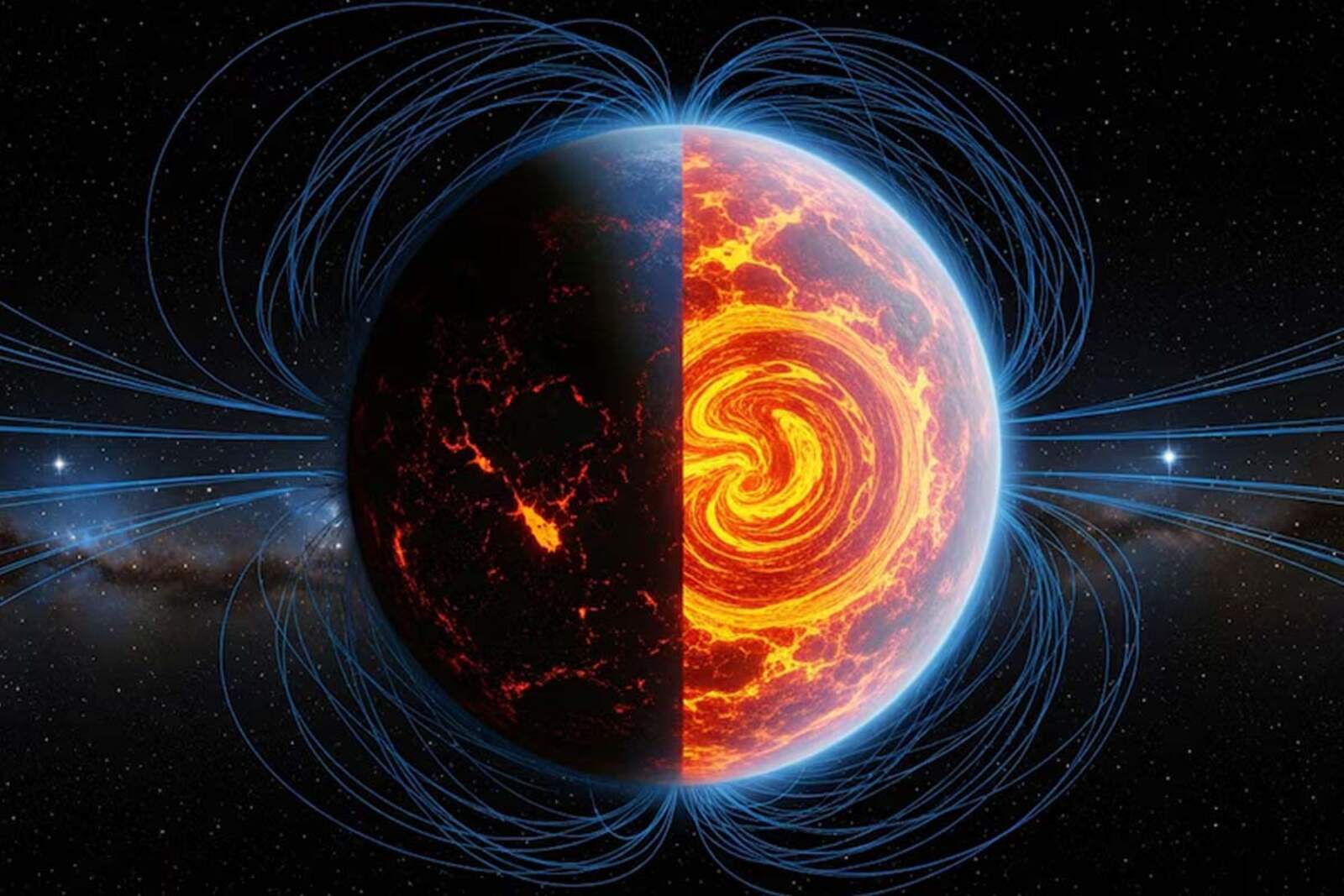
Two studies published by Nature Portfolio revealed unprecedented data about the core of Earth and its chemical composition. The research keeps that the internal processes of the planetwere key for water and nutrients essential for life to exist.
The papers, published in Nature Communications and Nature Astronomy, propose that the heart of the planet acted as a true "architect" of habitability. It not only would have stored enormous amounts of hydrogen, but it also allowed phosphorus and nitrogen to remain on the surface.
Dos estudios publicados por Nature Portfolio revelaron datos inéditos sobre el núcleo de la Tierra
Earth's core would store hydrogen equivalent to dozens of oceans
The research led by Dongyang Huang, published in Nature Communications, carried out the first direct experimental quantification of hydrogen in Earth's core.
According to the study, the core contains between 0.07% and 0.36% hydrogen by weight. That figure is equivalent to between 9 and 45 times the current content of the oceans.
The scientists recreated extreme conditions of up to 111 gigapascals of pressure and 5,100°C (9,212°F) to simulate the birth of the planet. They detected that hydrogen became trapped together with silicon and oxygen inside iron during Earth's early formation.
La NASA confirmó que el cometa no representa peligro
This finding reinforces the hypothesis that most terrestrial water did not arrive with comets. It would have been present since the earliest stages of planetary growth.
The chemical "Goldilocks zone" that allowed life
The second paper, led by Craig R. Walton from ETH Zurich and published in Nature Astronomy, analyzed how vital nutrients such as phosphorus and nitrogen were distributed during core formation.
Un sistema solar lejano que explica el nuestro
The simulations showed that only within an extremely precise range of oxygen (what they call a "chemical Goldilocks zone") did these elements remain in the mantle and not sink to the core.
If there had been a little more or less oxygen, Earth wouldn't have preserved sufficient quantities of these essential nutrients. That delicate balance was decisive for the development of life.
Reacciones químicas en agua neutra habrían permitido unir aminoácidos al ARN
New criteria for searching for life beyond the solar system
Both studies agree that the habitability of a planet doesn't depend only on its atmosphere or its distance from its star. It is also determined by its internal chemistry in the first millions of years.
This redefines the search for life on exoplanets. It isn't enough to detect water: it will be necessary to understand the deep chemical composition and the influence of the star on that initial "recipe".