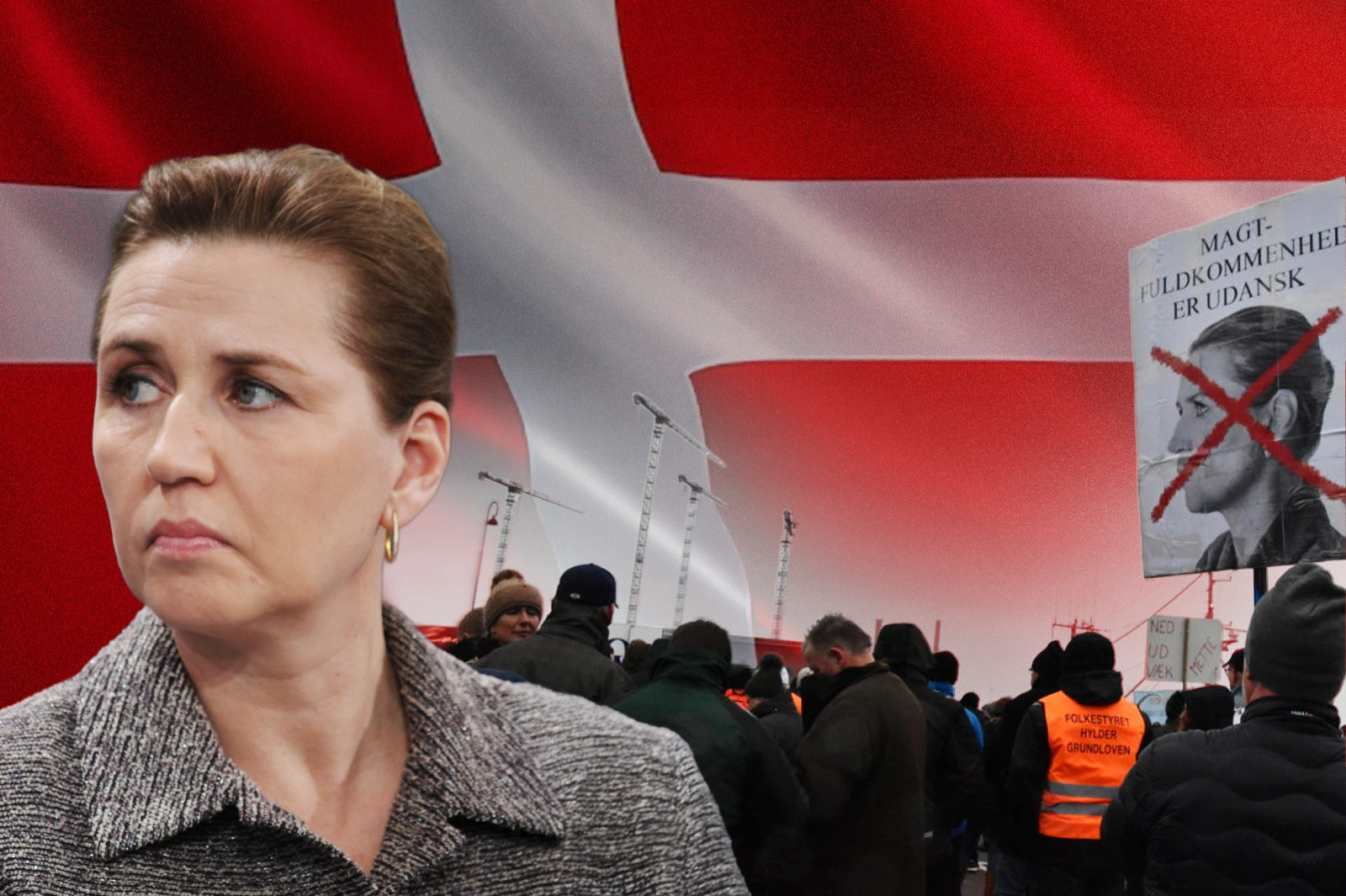
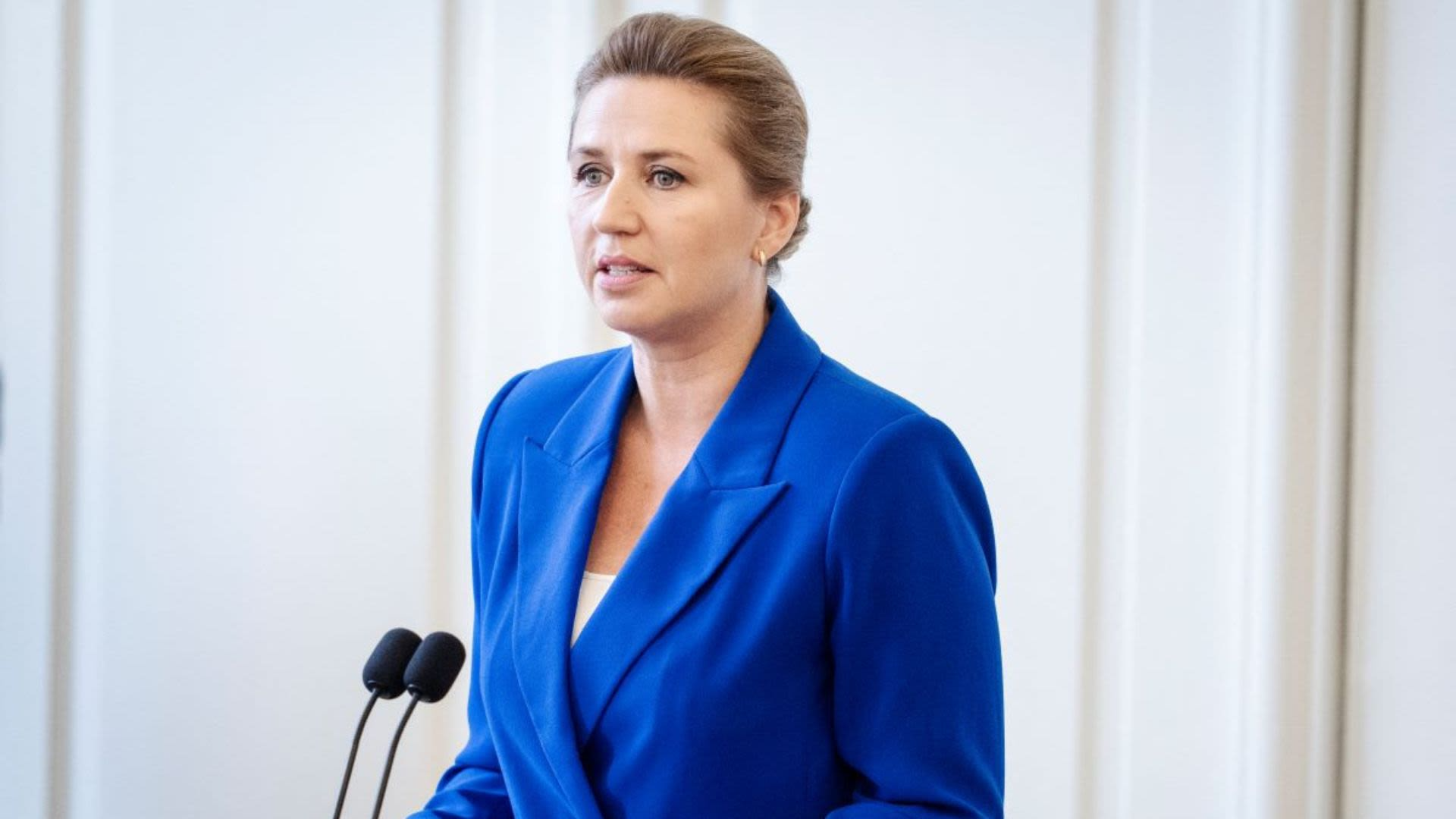
The Prime Minister of Denmark, Mette Frederiksen, presented the resignation of her government to the king after the defeat suffered by her coalition in the general elections, the royal house said in an official statement. The resignation opens a period of political negotiations that is expected to be complex and prolonged, in which the different parties will try to form a new parliamentary majority
.
The elections left a fragmented scene in the Danish Parliament, composed of 179 seats, without any block reaching an absolute majority of 90 deputies. The left-wing block led by the Social Democratic Party won 84 seats, while the right-wing parties totaled 77, forcing both sides to seek additional support to govern
.
The result was a severe setback for Frederiksen. Its formation, the Social Democratic Party, won just 38 seats, a significant drop from the 50 obtained in the previous elections and the worst electoral performance since 1903. Despite this setback, the group remains the most voted political force, with 21.9% of the votes, leaving open the possibility that the current prime minister will try to form a new government and seek a third term
. After the disastrous result obtained by the governing coalition, the Prime Minister of Denmark resigned
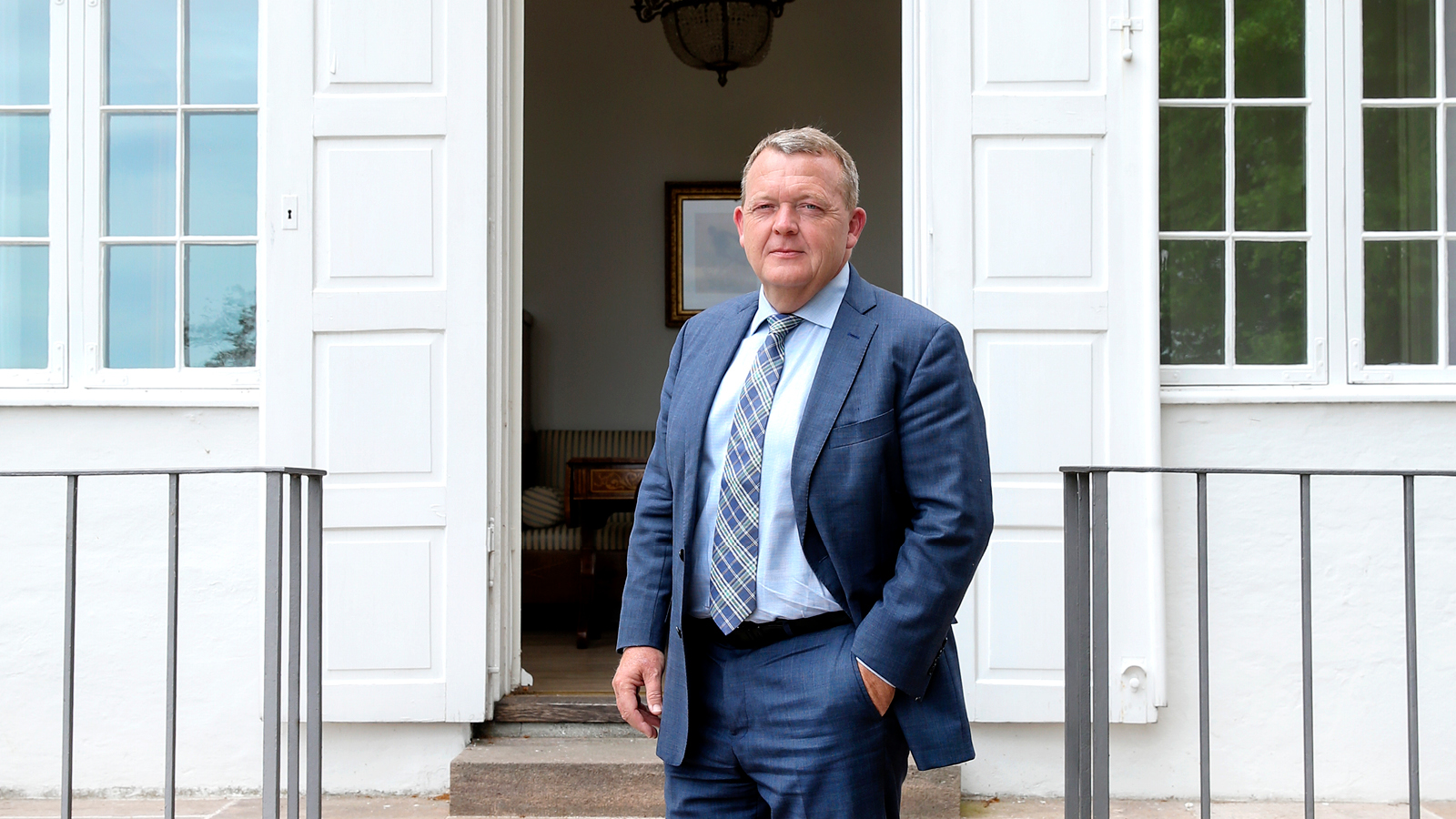
In this context, the role of the Moderate Party, led by the current Foreign Minister, Lars Lokke Rasmussen, will be decisive. The centrist formation won 14 seats, enough to become an arbiter of the political situation. Your decision to support one or the other block could define the composition of the next Executive.
Negotiations between parties will begin in the coming days and could last for weeks, given the need to reach agreements between forces with marked ideological differences. Analysts point out that the formation of a broad or cross-cutting coalition is not ruled out, although this would involve significant concessions on the part of all the
political actors involved.
During the election campaign, domestic political issues dominated the public debate and seem to have been decisive in voter behavior. Among the main concerns were the rising cost of living, immigration policies and pressure on the welfare system, factors that eroded support for the outgoing government
. The party of the current foreign minister will be decisive after having won 14 seats in the last elections
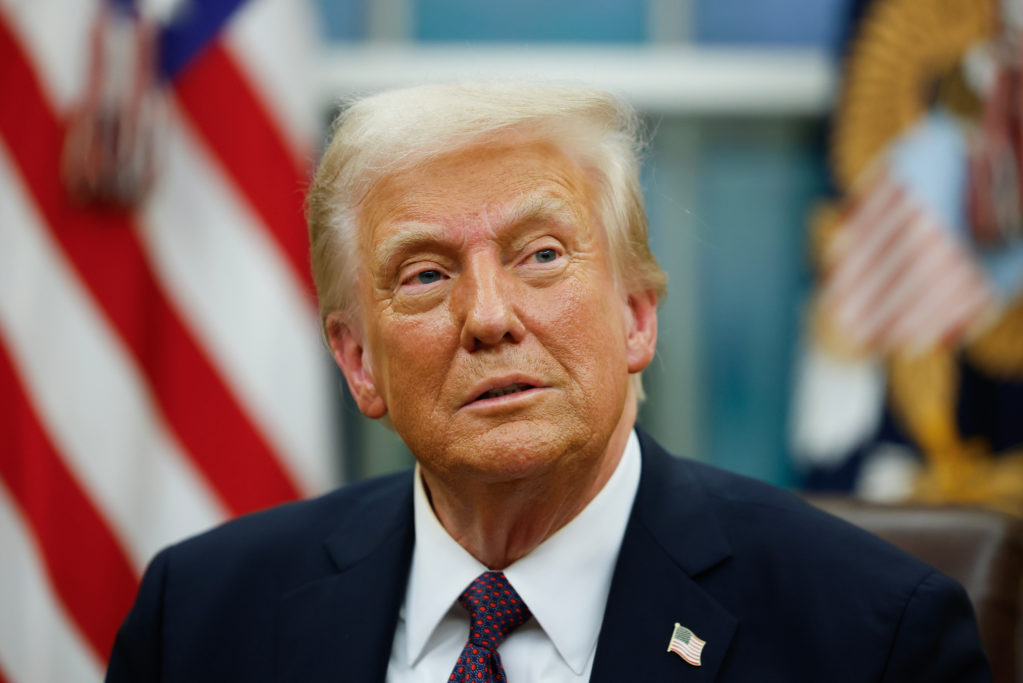
In contrast, international issues had a limited impact on the results. In particular, Frederiksen's firm stance in the face of repeated statements by the President of the United States, Donald Trump, regarding the possibility of acquiring Greenland, an autonomous territory of the Kingdom of Denmark, failed to translate into
greater electoral support.
Frederiksen had strongly rejected these aspirations and went so far as to warn that a possible annexation of Greenland by the United States would pose a serious threat to international security, including the end of the NATO alliance. However, these statements failed to shift voters' attention away from domestic problems
.
The political landscape left by the elections reflects a growing fragmentation of the Danish electorate and the difficulty of building stable majorities. Uncertainty about who will lead the next government persists, as the parties prepare for a round of negotiations that will be key to defining the country's political course in the
coming years.
For now, Frederiksen will continue to serve as acting Prime Minister until a new Executive is formed, in a process that will be closely followed both nationally and internationally.
The Danes showed no great concern about Trump's statements about their interest in Greenland