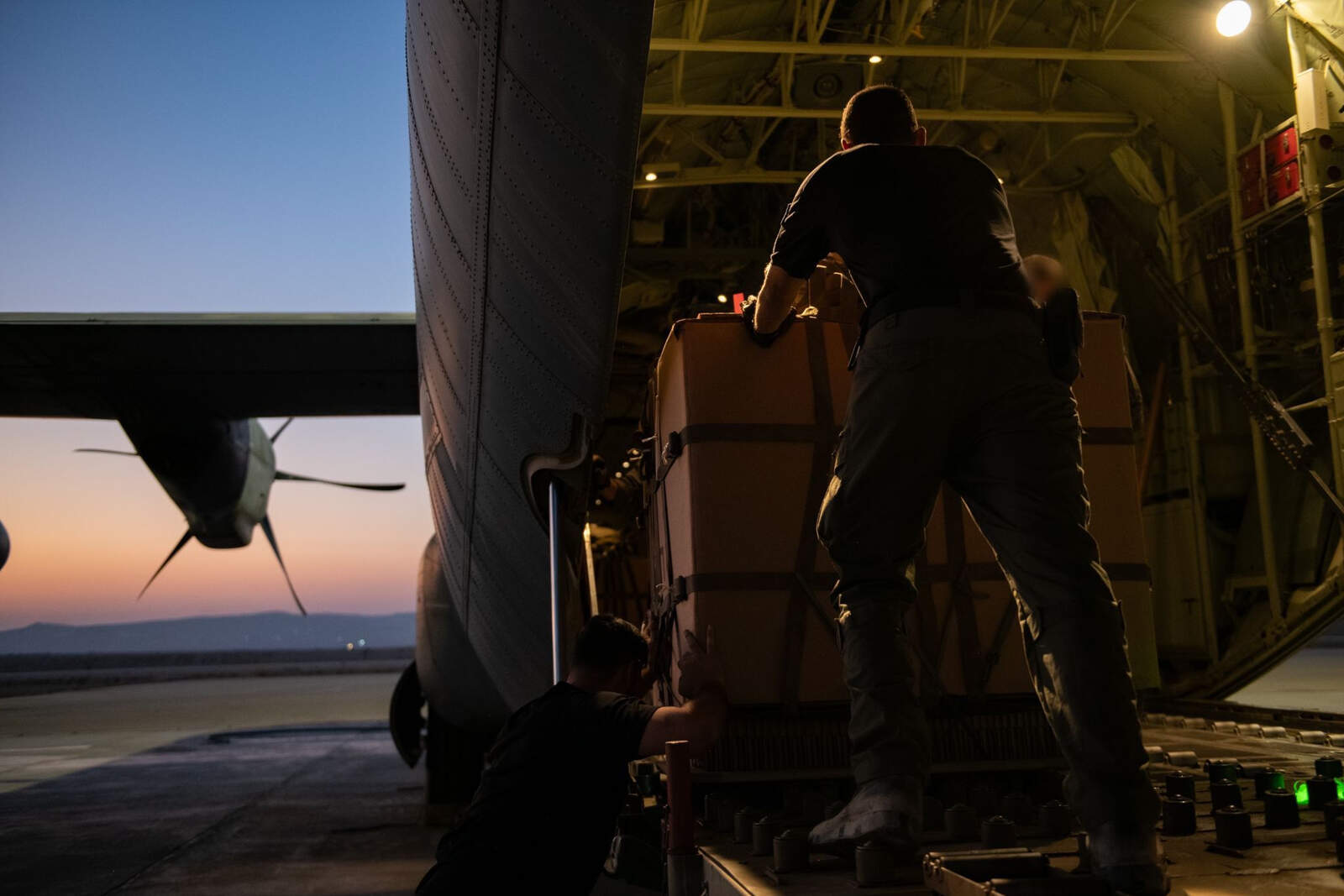
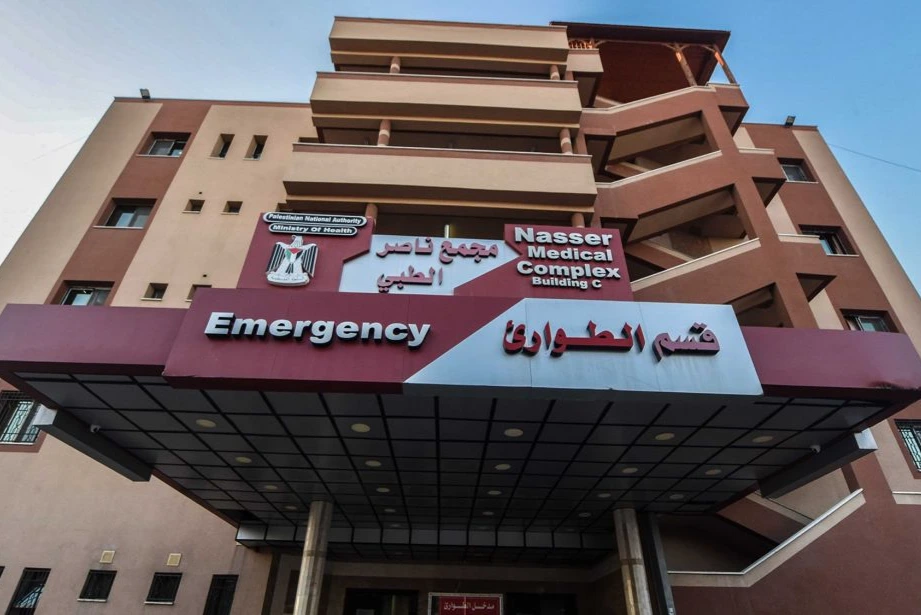
These efforts are joined by the opening of new humanitarian corridors intended to allow the safe passage of UN convoys transporting food and medicine.
Additionally, Israeli infrastructure has enabled a significant increase in the supply of potable water: 20,000 cubic meters (706,293 cubic feet) per day, thanks to a desalination plant connected to the Israeli power grid, benefiting about 900,000 people in Gaza.
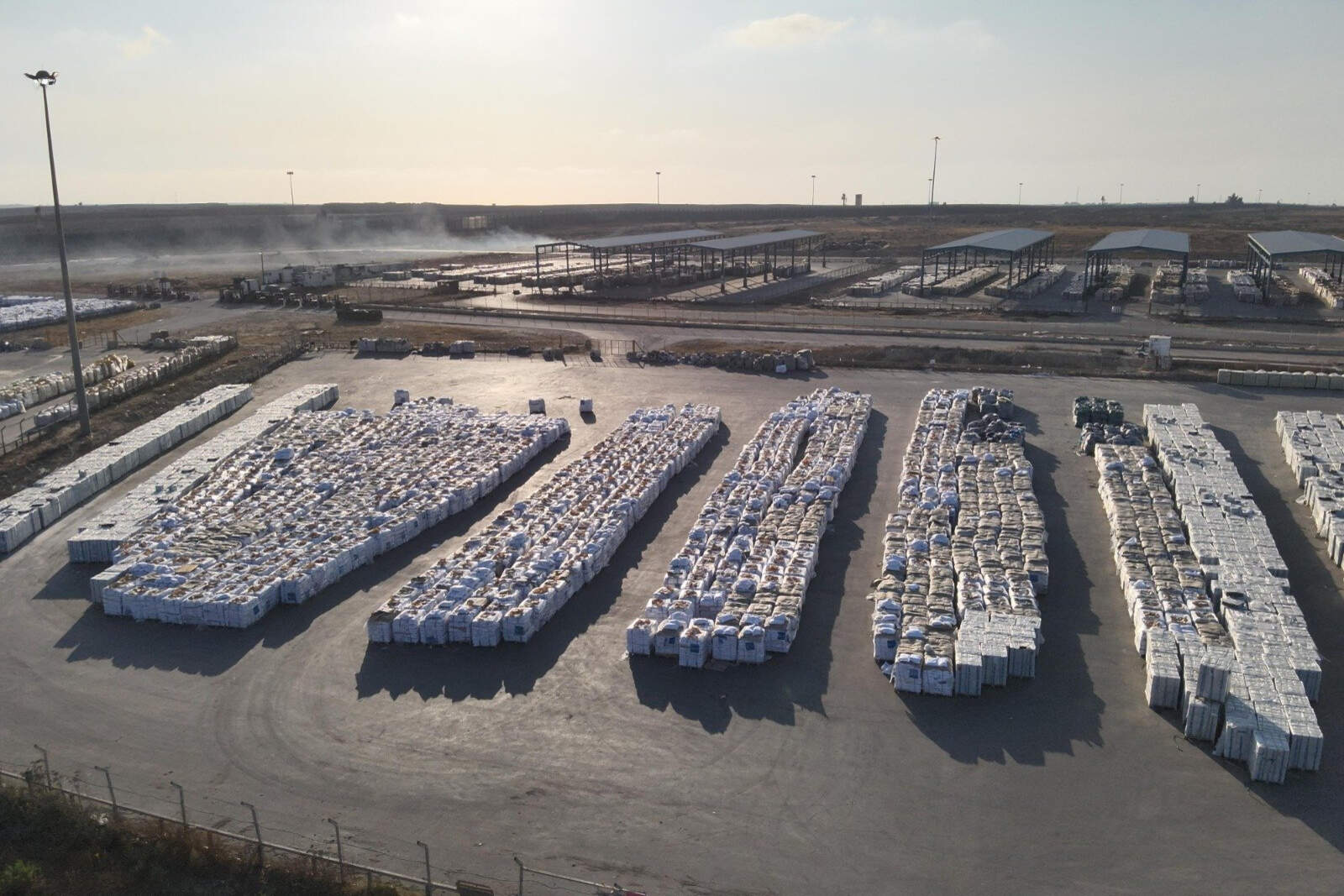
The figures from recent weeks reinforce this commitment. At the Kerem Shalom and Zikim crossings alone, more than 250 aid trucks were unloaded this week, adding to the hundreds that the UN and other organizations have collected and distributed in the Strip.
In total, approximately 600 trucks loaded with food, medicine, and supplies have been delivered in recent days, according to COGAT data.
The Israeli military has been emphatic: the distribution of this aid is the responsibility of the UN and international humanitarian organizations, which must ensure that it doesn't fall into the hands of Hamas.
"There is no famine in Gaza. This is a false narrative promoted by Hamas to manipulate international public opinion," the official statement says.
While maintaining military operations to dismantle terrorist infrastructure and free the hostages, Israel continues to combine security with an active humanitarian policy, showing that its objective is not to punish the civilian population, but to defeat terrorism.